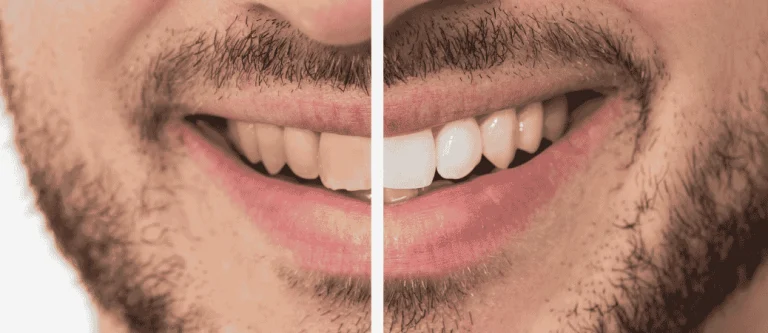
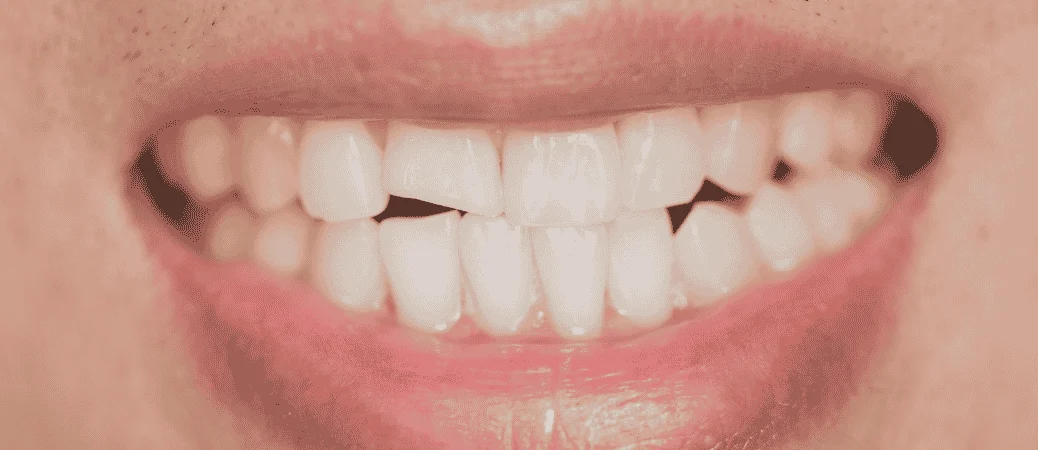
Yes, uneven front teeth shape and length can make your smile look asymmetrical in photos, especially when worn edges, small chips, or natural differences change the outline of your teeth.
Camera angle and lighting can also affect how noticeable these differences appear.
An uneven smile deserves a closer look if it has changed. A slight mismatch you have always had is different from a tooth that is getting shorter or developing a rough edge.
Your teeth also have different natural roles and shapes, so a balanced smile does not require every front tooth to have the same length.
How Do Tooth Shape and Length Affect Your Smile?
Your tooth shape and visible length affect how balanced your smile appears. The outline of each tooth, its position, and the height of your gums all influence those proportions.
When Are Different Front Tooth Lengths Normal?
You can have healthy front teeth with slightly different lengths. Your central incisors, the two teeth in the middle, may extend below the smaller incisors beside them. Your canines have their own pointed outlines.
Even matching teeth on opposite sides can differ slightly. If your uneven tooth length has stayed stable and your dentist finds healthy enamel and a comfortable bite, you may need only routine monitoring.
Your smile symmetry does not need to be exact to look balanced.
How Do Irregular Shapes and Worn Edges Change Proportions?
Your tooth looks squarer when its edge becomes shorter while its width stays the same. A chipped corner creates a different outline, and a narrow or tapered tooth can appear longer beside a broader one.
You may have inherited an uneven tooth shape, including a smaller lateral incisor. Teeth described as “misshapen teeth” deserve an assessment of their strength and function before any cosmetic decision.
If you consider tooth reshaping, your dentist needs to check how much healthy enamel is available.
Why Can Tooth Position and Gum Height Mimic Length Differences?
Your tooth position changes the surface you see. A rotated tooth presents an angled face to the camera; a tooth sitting farther down in your smile shows a lower edge even if its actual size matches its neighbor.
Your gum line changes the visible starting point of each tooth. Extra gum coverage makes a tooth look shorter, while gum recession exposes more tooth or root.
If you have uneven gum lines, your dentist should separate gum-height differences from differences in the tooth itself.
Why Do Photos Exaggerate Small Tooth Differences?
Your photos freeze small differences in tooth display and change how surfaces appear through perspective and light. A single image gives you limited information about your smile symmetry.

How Do Camera Distance, Head Tilt, and Lighting Affect Appearance?
When you hold your camera close, the nearer parts of your smile appear larger relative to the farther parts. Turning or tilting your head changes how your tooth edges line up within the image.
Side lighting creates shadows around angled surfaces, while bright reflections can hide part of a tooth edge.
To make a useful comparison, take a photo from farther away with your camera centered at mouth level. Keep your head level and use soft, even light without a beauty filter.
Why Does Your Smile Look Different in the Mirror?
You are familiar with your reflected image, so an unreversed photo can make small asymmetries feel more noticeable. Some phone cameras also show a mirrored preview but save a different version.
In the mirror, you watch your smile move and adjust your expression. A photo might capture one lip lifting before the other, changing how much tooth shows.
Compare several relaxed images before deciding that one photograph represents your usual smile.
How Can a Dentist Identify the Cause?
Your dentist identifies the cause by checking your teeth, gums, and bite together. During a dental consultation at Raleigh Dental Arts, you can bring the photos that concern you alongside older images showing whether anything has changed.
What Can Grinding, Erosion, and Old Restorations Reveal?
Your pattern of tooth wear provides clues. Flat contact marks and repeated chips suggest tooth-to-tooth wear, while enamel erosion from acid exposure can leave thinner edges or shallow hollows.
Your diet, reflux symptoms, and grinding history help your dentist interpret those signs.
If you grind your teeth, the National Institute of Dental and Craniofacial Research identifies enamel cracks and damage to teeth or restorations among the possible effects of frequent, severe bruxism.
Your worn enamel needs assessment even when you have no pain.
Your older dental restorations also need checking. A worn filling or chipped bonding repair changes the outline of a tooth and sometimes affects how your teeth meet.
What Happens During a Tooth Proportion and Bite Assessment?
During your dental examination, your dentist compares tooth widths and visible lengths, checks enamel condition, and measures gum levels.
Your lip movement helps explain how much of each tooth shows while you speak or smile.
Your bite alignment is checked both when you close and when you move your jaw. An uneven bite or malocclusion may place extra force on a restored edge.
X-rays are used when your symptoms or examination findings call for them.
If you are considering cosmetic dentistry, ask which finding explains the uneven appearance. At your smile makeover consultation, request an explanation of what each proposed change would preserve or remove.
Which Changes Need Prompt Dental Attention?
Book a dental visit promptly if you notice a new chip, increasing tooth sensitivity, pain when biting, or a tooth that is visibly shortening.
Bleeding gums, recession, and looseness also need assessment for gum disease or other problems.
Seek urgent care for a displaced tooth after an injury or severe dental pain with swelling. Facial swelling with trouble swallowing or breathing requires emergency medical care.
If your teeth feel comfortable and the difference is stable, bring it up during your regular dental care appointment. Your dentist can record the starting appearance and watch for change.
Which Treatments Can Improve Uneven Tooth Proportions?
Your treatment should address the cause while preserving healthy tooth structure. Before cosmetic dental treatment, you need any active decay, gum disease, or ongoing wear brought under control.

Dental Bonding and Contouring for Small Shape Differences
Your dentist can add tooth-colored resin through dental bonding, also called composite bonding, to rebuild a short edge or chipped corner.
This approach preserves much of your natural tooth, though the material needs maintenance if it stains, wears, or chips.
Tooth contouring, tooth reshaping, and enameloplasty describe carefully removing small amounts of enamel to adjust an outline.
Enamel removal is irreversible, so your dentist must confirm that the proposed adjustment is safe.
If a shorter tooth has lost structure, ask about rebuilding that edge before shortening a healthy neighboring tooth. Never file your teeth at home.
Veneers and Crowns for More Extensive Corrections
Your dentist may discuss veneers when you want broader changes to tooth shape or surface appearance. Porcelain veneers cover the front surfaces of your teeth and usually require enamel removal.
Your treatment plan should explain that permanent commitment before preparation begins.
Composite veneers use tooth-colored resin across a larger part of the visible surface. You should expect possible polishing, repair, or replacement as the material ages.
Dental crowns cover more of your tooth and require more preparation.
If you have substantial damage or a large existing restoration, a crown may provide needed support; a small difference in length alone calls for a careful discussion of less invasive choices.
Orthodontics for Uneven Tooth Position
Your tooth position needs correction when rotation or height within the dental arch explains the mismatch. Orthodontic treatment moves teeth into planned positions and supports bite correction when appropriate.
Depending on your needs, your dentist may recommend clear aligners or traditional braces. The type and complexity of tooth movement will help determine which option is appropriate.
After orthodontics, you may still have a worn edge or natural shape difference that needs a separate decision. Moving a tooth leaves its existing shape intact.
Gum Treatment When Visible Tooth Length Is the Issue
Your gum health comes first when the visible tooth length is uneven. Swollen tissue needs treatment and time to settle before you judge the final gum line.
If excess healthy tissue covers part of a tooth, gum contouring may expose more of its surface.
Crown lengthening sometimes involves adjusting underlying bone as well as gum tissue, so your dentist must assess root support and nearby tissues.
If gum recession makes your tooth look longer, you need an evaluation of the cause and possible gum treatment. Removing additional gum tissue would increase the exposure.
How Can You Protect Corrected Tooth Edges?
Your corrected edges need protection from the forces that caused damage. If you grind your teeth, your dentist may recommend a custom night guard to help protect your teeth and restorations from excessive wear.
A night guard can reduce damage from grinding, but it does not necessarily stop the grinding itself.
After orthodontic treatment, wear your retainer as prescribed to help maintain tooth position. Ask your dentist how retention and grinding protection should work together if you need both.
Keep up gentle oral hygiene with fluoride toothpaste and daily cleaning between your teeth. Avoid chewing ice or using your teeth to open packaging, and have repeated chips checked before another repair.
Choose the Smallest Appropriate Change for Your Smile

Your best next step is to identify whether the difference comes from tooth structure, position, gum height, or the photograph itself. Stable natural variation can remain as it is when your oral health and bite are sound.
At your dental consultation with Raleigh Dental Arts, ask what needs treatment for health and what is an optional cosmetic change.
If you are weighing a smile makeover versus veneers, request a tooth-by-tooth explanation before agreeing to a broader plan.
Bring your photos and describe any new symptoms. Ask how much enamel each option removes and what maintenance you should expect.
Frequently Asked Questions
Your next step starts with whether the uneven appearance is stable or changing. These answers help you prepare questions for your dentist.
Why do my front teeth look uneven in pictures but not in the mirror?
Your photos change perspective and freeze your lip position, making small differences stand out. You are also more familiar with your mirror image, so compare several centered, evenly lit photos before drawing conclusions.
Is it normal for one front tooth to be longer than the other?
You can have a small, healthy difference between matching front teeth, especially when it has always been present. If your uneven tooth length is new or increasing, arrange an examination to check for wear or damage.
What could cause a front tooth to develop an irregular shape?
Your uneven tooth shape may come from natural development, a chip, tooth wear, acid erosion, or a changing restoration. Tell your dentist when you first noticed it and whether you have sensitivity or discomfort when biting.
Can a shorter front tooth be lengthened without veneers?
Yes, your dentist can use dental bonding to add tooth-colored resin to a shorter edge when your enamel and bite provide suitable support.
If gum coverage explains the short appearance, gum treatment may be the more appropriate option.
Can uneven front tooth lengths be corrected without braces?
Yes, you may be able to improve shape-related length differences with bonding or limited contouring.
If tooth position or bite issues cause the uneven appearance, ask whether clear aligners can address your bite issues before choosing a cosmetic repair.