


 Constant aching in the back of your jaw
Too embarrassed to smile through the swelling
Sharp pain that interrupts meals and sleep
Skipping social events because you're not feeling well
Neighboring teeth shifting due to hidden pressure
Losing the simple pleasure of eating without thinking twice
Constant aching in the back of your jaw
Too embarrassed to smile through the swelling
Sharp pain that interrupts meals and sleep
Skipping social events because you're not feeling well
Neighboring teeth shifting due to hidden pressure
Losing the simple pleasure of eating without thinking twice

Infection Spreads
Bacteria trapped around an impacted tooth can spread to neighboring teeth and surrounding tissue.
Adjacent Teeth Shift
Pressure from an impacted wisdom tooth gradually pushes neighboring teeth out of alignment.
Crowding Gets Worse
Teeth that were once straight may shift, making future orthodontic treatment more complex and costly.
Cysts Can Develop
Fluid-filled sacs sometimes form around impacted wisdom teeth and can damage nearby bone.
Treatment Becomes Harder
Roots grow longer and more curved over time, making extraction more involved than it would have been earlier.
Costs Increase
Treating infections, bone damage, or orthodontic complications down the road typically costs more than early removal.
 Third molars typically emerge between ages 17 and 21
Impacted wisdom teeth are among the most common dental surgical procedures performed
Removal is often recommended before roots fully develop for a less complex extraction
Third molars typically emerge between ages 17 and 21
Impacted wisdom teeth are among the most common dental surgical procedures performed
Removal is often recommended before roots fully develop for a less complex extraction
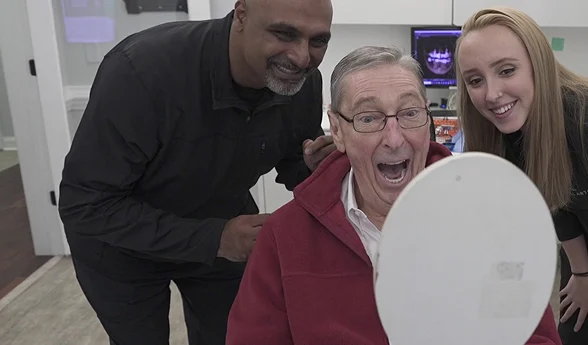


 Pain finally behind you
Neighboring teeth stay protected
Eat and sleep without interruption
Lower risk of infection
Peace of mind about your oral health
Enjoy life without hidden dental worry
Pain finally behind you
Neighboring teeth stay protected
Eat and sleep without interruption
Lower risk of infection
Peace of mind about your oral health
Enjoy life without hidden dental worry

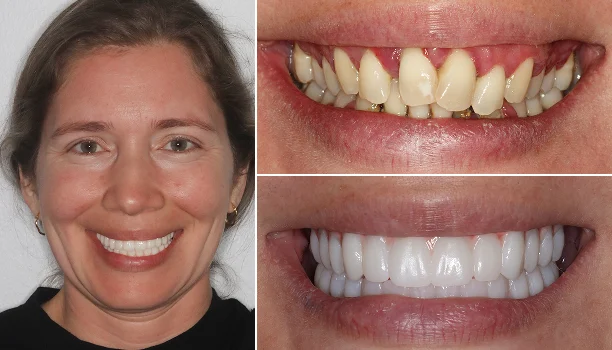 Currently experiencing soreness, pressure, or swelling near the back of your jaw
Have been told your wisdom teeth are impacted or growing in at an angle
Noticed your other teeth seem to be shifting or crowding in recent months
Want to protect your existing straight teeth after completing orthodontic treatment
Have been putting off addressing wisdom tooth concerns because you're nervous about surgery
Currently experiencing soreness, pressure, or swelling near the back of your jaw
Have been told your wisdom teeth are impacted or growing in at an angle
Noticed your other teeth seem to be shifting or crowding in recent months
Want to protect your existing straight teeth after completing orthodontic treatment
Have been putting off addressing wisdom tooth concerns because you're nervous about surgery