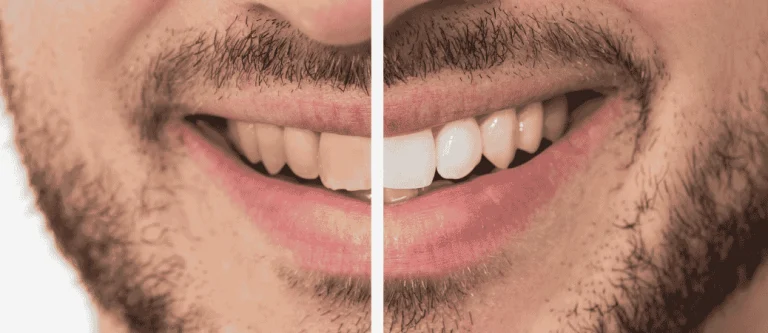

You may think clear aligners only fix crooked teeth. But you might also wonder if they can correct deeper bite issues that affect how your teeth meet and how your jaw feels.
Clear aligners can fix many mild to moderate bite issues, not just straighten teeth, but severe cases may still need braces or other orthodontic treatment.
When you follow a custom plan, aligners apply steady pressure to move teeth and improve how your upper and lower teeth fit together.
If you want a straighter smile and a healthier bite, it helps to know what aligners can and cannot do. Keep going to learn how clear aligners fix bite issues, which bite problems they treat, and when another option may suit you better.
Key Takeaways
- Clear aligners can improve both teeth straightening and many common bite issues.
- Some complex bite problems still require braces or advanced orthodontic treatment.
- Treatment success depends on proper planning, wear time, and follow-up care.
Table of Content
- Understanding Bite Problems and Malocclusion
- How Clear Aligners Work for Tooth and Bite Correction
- Bite Issues Clear Aligners Can and Cannot Fix
- Comparing Clear Aligners, Braces, and At-Home Options
- What to Expect: Treatment Timeline, Care, and Aftercare
- Frequently Asked Questions
Understanding Bite Problems and Malocclusion
Bite problems happen when your upper and lower teeth do not fit together the right way. These issues can affect how you chew, speak, and even how your jaw feels each day.
Types of Bite Issues
Orthodontists use the word malocclusion to describe a bad bite. This means your teeth or jaws do not line up as they should.
Here are common types of bite problems:
- Overbite – Your upper front teeth overlap too much over your lower front teeth. A deep overbite can lead to tooth wear and jaw pain.
- Underbite – Your lower teeth sit in front of your upper teeth. This often relates to skeletal discrepancies in jaw size.
- Crossbite – Some upper teeth bite inside your lower teeth. This can happen in the front or back of your mouth.
- Open bite – Your upper and lower teeth do not touch when your mouth is closed.
- Crowded teeth – There is not enough space in your jaw, so teeth twist or overlap.
Each type may need a different approach to bite correction.
Why Bite Alignment Matters
Your bite does more than shape your smile. It affects how your mouth works every day.
When your teeth do not align well, you may feel jaw pain, clicking, or tension when chewing. A poor bite can also cause uneven tooth wear, which may lead to chipped edges or sensitive teeth.
If you have crowded teeth, cleaning becomes harder. This raises your risk for cavities and gum problems.
Severe malocclusion tied to skeletal discrepancies can also change how your face looks in profile. In some cases, it may affect speech or make it harder to bite into food.
Fixing bite problems supports comfort, function, and long-term dental health.
Common Causes of Malocclusion
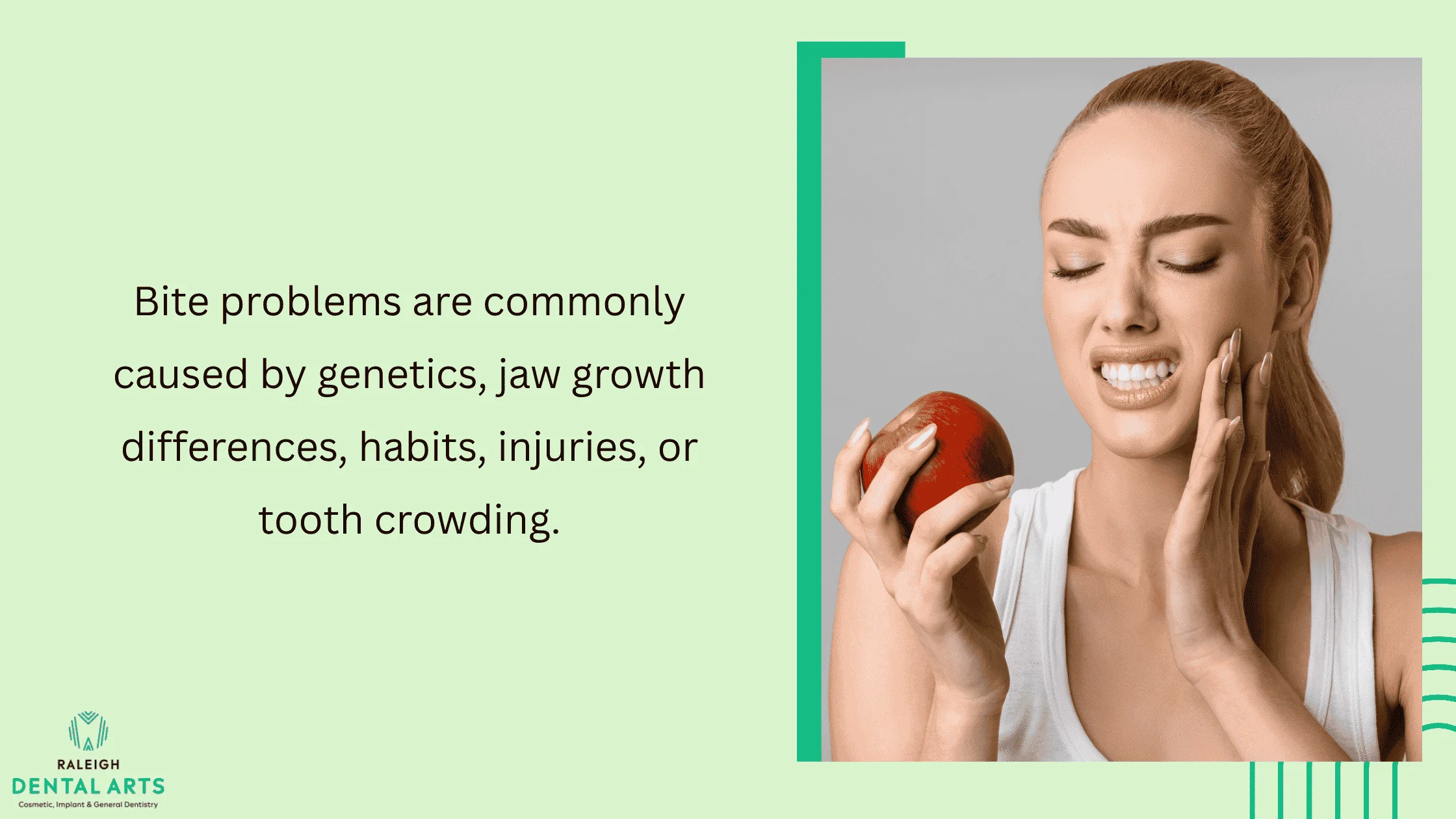
Bite problems often start with genetics. If your parents had an overbite or underbite, you may have one too.
Skeletal discrepancies, where your upper and lower jaws grow at different rates, often cause underbites and some open bites. These issues involve bone structure, not just tooth position.
Other causes include:
- Thumb sucking or long-term pacifier use
- Early or late loss of baby teeth
- Injuries that shift the jaw
- Severe crowded teeth due to small jaw size
Sometimes, several factors combine. Knowing the cause helps your orthodontist plan the right bite correction for you.
How Clear Aligners Work for Tooth and Bite Correction
Clear aligners move your teeth in small, planned steps to improve both alignment and bite fit. Your orthodontist uses digital tools and a custom treatment plan to guide each stage of movement.
The Science Behind Clear Aligner Treatment
Clear aligner therapy uses steady, controlled pressure to move your teeth. Each set of aligner trays shifts teeth a fraction of a millimeter at a time.
You wear each tray for about one week, usually 20 to 22 hours a day. The trays apply force to specific teeth based on your treatment plan. Over time, this pressure changes the position of the tooth and the bone around it.
Clear aligners are custom-formed trays that move teeth gradually. You remove them to eat and brush, which helps keep your teeth clean during treatment.
Aligners can treat more than crooked teeth. They can correct:
- Overbite
- Underbite
- Crossbite
- Open bite
- Crowding or spacing
By adjusting how your upper and lower teeth meet, clear aligner treatment can improve how you bite and chew.
Digital Scanning and 3D Imaging
Your orthodontist does not rely on messy molds. Instead, they use digital scanning to capture a detailed image of your teeth.
A small handheld scanner creates a 3D model of your mouth. This model shows tooth position, spacing, and how your bite fits together. The system uses this data to build a virtual plan for tooth movement.
With 3D imaging, you can often see a preview of how your teeth may look after treatment. More important, your orthodontist can check how each planned movement affects your bite.
This step helps reduce guesswork. It allows precise control over how each tooth shifts, especially when correcting bite problems like overbite or crossbite.
Custom Treatment Planning for Bite Alignment
Your orthodontist creates a custom treatment plan based on your scan, X-rays, and bite exam. This plan outlines how each tooth will move and in what order.
Bite correction often requires more than straightening the front teeth. Your plan may include:
- Moving back teeth to balance your bite
- Rotating teeth to improve contact points
- Dental bonding for a better grip
- Adding elastics to guide jaw alignment
Each set of aligner trays reflects this plan. When you switch trays on schedule, you follow a step-by-step path toward better alignment and bite fit.
Complex bite issues may take longer or need a mix of aligners and other tools. Your orthodontist adjusts the plan if your teeth do not move as expected.
Patient Compliance and Its Importance
Your results depend on patient compliance. Clear aligners only work when you wear them as directed.
You should wear your trays most of the day and night. Taking them out too often can slow progress and affect bite correction. Teeth may not track properly, which can delay your treatment.
You also need to:
- Change trays on time
- Keep aligners clean
- Attend checkups
- Wear elastics if prescribed
Clear aligner treatment gives you flexibility, but it also requires responsibility. When you follow instructions closely, you support steady tooth movement and more accurate bite correction.



Bite Issues Clear Aligners Can and Cannot Fix
Clear aligners can improve many common bite problems, but they do not fix every case. Your results depend on how severe your bite alignment issue is and how well your teeth and jaws respond to treatment.
Correctable Bite Issues with Aligners
You can often fix mild to moderate overbite, underbite, crossbite, and open bite problems with clear aligners. Aligners apply steady pressure to move your teeth into better bite alignment over time.
If you have crowding or crowded teeth, aligners can create space and guide teeth into proper position. This often improves both spacing and how your upper and lower teeth meet.
Many orthodontists use aligners to treat common bite problems like those described in this article on how clear aligners fix common bite problems.
These systems may include small attachments or rubber bands to help control tooth movement.
Aligners can also help close small gaps and correct mild open bites by moving teeth vertically. For many teens and adults, this avoids the look of metal braces while still correcting function.
Limitations of Aligner Treatment
Clear aligners work best when tooth movement is predictable and moderate. They may struggle with complex tooth rotations, large vertical movements, or major jaw shifts.
If your bite problem involves more than tooth position, aligners alone may not be enough. Some cases need stronger force or more control than plastic trays can provide.
Certain structural problems require other tools. For example, severe tooth movement or jaw correction may respond better to traditional braces.
You also need to wear aligners 20 to 22 hours a day. If you remove them often, your treatment may stall or fail to correct your bite fully.
Severe Skeletal Discrepancies and When Braces Are Needed
Some bite issues come from severe skeletal discrepancies, not just crooked teeth. This means your upper and lower jaws do not line up correctly.
In these cases, aligners may improve tooth position but not fix the root problem. You may need braces, traditional braces, or even surgical care to correct jaw alignment.
Severe underbite or overbite caused by jaw size differences often requires more advanced treatment.
Metal braces or clear braces can apply stronger, more precise forces. They give your orthodontist more control in complex cases.
Role of the Orthodontist in Choosing the Right Approach

You should not decide between aligners and braces on your own. A trained orthodontist will examine your teeth, jaw position, and bite alignment before recommending treatment.
A board-certified orthodontist uses digital scans, X-rays, and careful treatment planning to map each tooth movement. This helps prevent relapse and protects your long-term oral health.
Your provider will explain if aligners can fix your overbite, crossbite, or crowded teeth safely. If your case needs braces instead, they will tell you why and outline a clear plan.
When you understand your options, you can choose a treatment that fits both your dental needs and your daily life.
Comparing Clear Aligners, Braces, and At-Home Options
You have more than one way to straighten teeth or fix a bite problem. Each option works in a different way and offers a different level of control, supervision, and cost.
Traditional Braces vs. Clear Aligners
Traditional braces use brackets and wires to move teeth. Your orthodontist adjusts them over time to shift both teeth and jaw position.
Metal braces stay on your teeth and work all day. They can treat mild to severe bite problems, including overbite, underbite, crossbite, and open bite. Because they do not come out, you do not have to remember to wear them.
Clear braces work like metal braces but use tooth-colored brackets. They are less noticeable but still fixed in place.
Clear aligners use removable plastic trays. You wear them about 22 hours a day and switch to a new set every one to two weeks. They can fix many bite issues, but complex cases may still need braces.
Advantages and Disadvantages of Different Systems
Each system has trade-offs that affect your daily life.
Braces
- Pros: Treat complex bite problems, no risk of losing them, work full time
- Cons: Harder to clean, food limits, more visible
Braces can move teeth in ways aligners sometimes cannot. They also give your orthodontist more control in tough cases.
Clear aligners
- Pros: Nearly invisible, removable for meals, easier brushing
- Cons: Must wear 22 hours a day, easy to lose, may not fix severe bite issues alone
You must stay disciplined with aligners. If you forget to wear them, your bite may not improve as planned.
Mail-Order Aligners and In-Person Consultation
Mail-order aligners and other forms of at-home teeth straightening skip regular office visits. Brands like Candid and NewSmile send impression kits to your home and ship trays to you.
This approach may cost less. It may also work for small spacing or crowding issues.
However, these systems often rely on remote check-ins instead of a full in-person consultation with X-rays and exams. Without detailed imaging, a provider may miss jaw problems, bone issues, or gum disease.
Complex bite problems usually need hands-on care and close monitoring.
If you want to fix more than mild crowding, you benefit from seeing a trained orthodontist in person before choosing any system.
What to Expect: Treatment Timeline, Care, and Aftercare
Clear aligner treatment follows a clear plan from your first scan to your final retainer. Your timeline, daily habits, and follow-up care all affect how well your bite and smile improve.
Treatment Time and Aligners Switching
Your treatment time depends on how complex your bite issue is. Mild crowding may take 6 to 9 months, while deeper bite problems can take 12 to 18 months or longer.
You will switch to new teeth aligners every 1 to 2 weeks. Each new tray moves your teeth a small amount. Wear them 20 to 22 hours a day unless your dentist gives different instructions.
If you use an at-home system, you may start with an impression kit or digital scan. In-office care often includes regular checkups so your dentist can track how your teeth and bite are moving.
Some adults ask about night aligners. These can work for mild cases, but they may extend treatment time because you wear them fewer hours each day.
Small delays add up. If you skip wear time or forget to switch trays on schedule, your teeth may not track as planned.
Retainers and Maintaining Your Results
When active aligner treatment ends, your teeth still need support. That is where retainers come in.
You will likely wear your retainer full-time at first, then switch to nights only. This step keeps your teeth from shifting back, which can happen after both cosmetic straightening and bite correction.
Your dentist will check your bite before moving you to nighttime wear. If your bite was adjusted, keeping it stable matters just as much as keeping teeth straight.
Replace worn or cracked retainers right away. A damaged retainer cannot hold your teeth in place properly.
Some patients choose to combine the end of treatment with teeth whitening. Whitening works best after alignment because straighter teeth allow for more even results.
Oral Hygiene and Daily Care During Treatment

Good oral hygiene protects your teeth and gums during aligner treatment. Food and plaque can get trapped under trays if you are not careful.
Brush and floss after every meal before putting your aligners back in. If you cannot brush, rinse well with water until you can clean properly.
Clean your aligners daily with a soft brush and clear soap or a cleaner made for aligners. Avoid hot water because it can warp the plastic.
Remove your trays when you drink anything other than water. Sugary or acidic drinks can sit against your teeth and raise your risk of cavities.
Healthy gums help teeth move as planned. If you notice bleeding, swelling, or bad breath, schedule a visit with your dentist.
Financing Options and Insurance Coverage
Clear aligner costs vary based on case complexity and length of care. Bite correction usually costs more than minor cosmetic changes because it takes longer.
Many offices offer financing options with monthly payment plans. Ask about in-house plans or third-party lenders that split the cost over time.
Use your dental insurance before it expires, as it may cover part of your aligner treatment if it includes orthodontic benefits. Some plans have age limits, so check your policy details.
You can also use health savings accounts (HSA) or flexible spending accounts (FSA) to pay for treatment. Talk with your dentist’s office to review fees, payment schedules, and what your insurance will cover before you begin.
Frequently Asked Questions
Clear aligners can move teeth and adjust many mild to moderate bite problems. Your results depend on the type of bite issue, how severe it is, and how closely you follow your treatment plan.
Can clear aligners correct an overbite or underbite?
Yes, clear aligners can correct some overbites and underbites. They work best when the problem is mild to moderate and caused by tooth position rather than jaw size.
Aligners apply steady pressure to shift teeth over time.
Many providers explain how aligners can treat overbites, underbites, and crossbites in cases that do not require jaw surgery, such as in this guide on how clear aligners fix common bite problems.
If your bite issue comes from a large jaw mismatch, you may need braces, rubber bands, or surgery instead.
What types of bite problems can aligners actually improve?
Aligners can treat several common bite issues. These include overbite, underbite, open bite, and crossbite.
They also fix crowded teeth and gaps, which often affect how your top and bottom teeth meet. Severe bone or jaw problems usually need a different approach.
How do orthodontists determine if aligners will fix my bite?
Your orthodontist starts with a full exam. They take digital scans, photos, and X-rays to check tooth position and jaw alignment.
They study how your teeth fit together when you bite and chew. Then they use software to map out each planned tooth movement step by step.
If the plan shows that aligners can move your teeth into a stable bite, they may recommend them. If not, they will suggest braces or another option.
Do I need attachments, elastics, or other add-ons to change my bite with aligners?
You may need small tooth-colored fillings or attachments. These help the aligners grip your teeth and control harder movements.
For some bite problems, your orthodontist may add rubber bands, also called elastics. These guide how your upper and lower teeth move toward each other.
Some cases combine aligners with other tools to improve results. This approach makes treatment more precise and predictable.
How long does it typically take for aligners to improve a bite issue?
Most people wear each set of aligners for about one week. You need to wear them 20 to 22 hours a day for steady progress.
Mild bite issues may improve in several months. More complex cases can take 12 to 24 months. Your exact timeline depends on how far your teeth need to move and how well you follow instructions.
What happens if my bite still feels off after finishing aligner treatment?
Tell your orthodontist if your bite feels uneven or uncomfortable. Do not ignore it.
You may need refinement trays, which are extra aligners that fine-tune tooth position. In some cases, minor reshaping of enamel or small bite adjustments can help.
After treatment, you must wear retainers as directed. Retainers keep your teeth in place and protect the bite correction you achieved.