
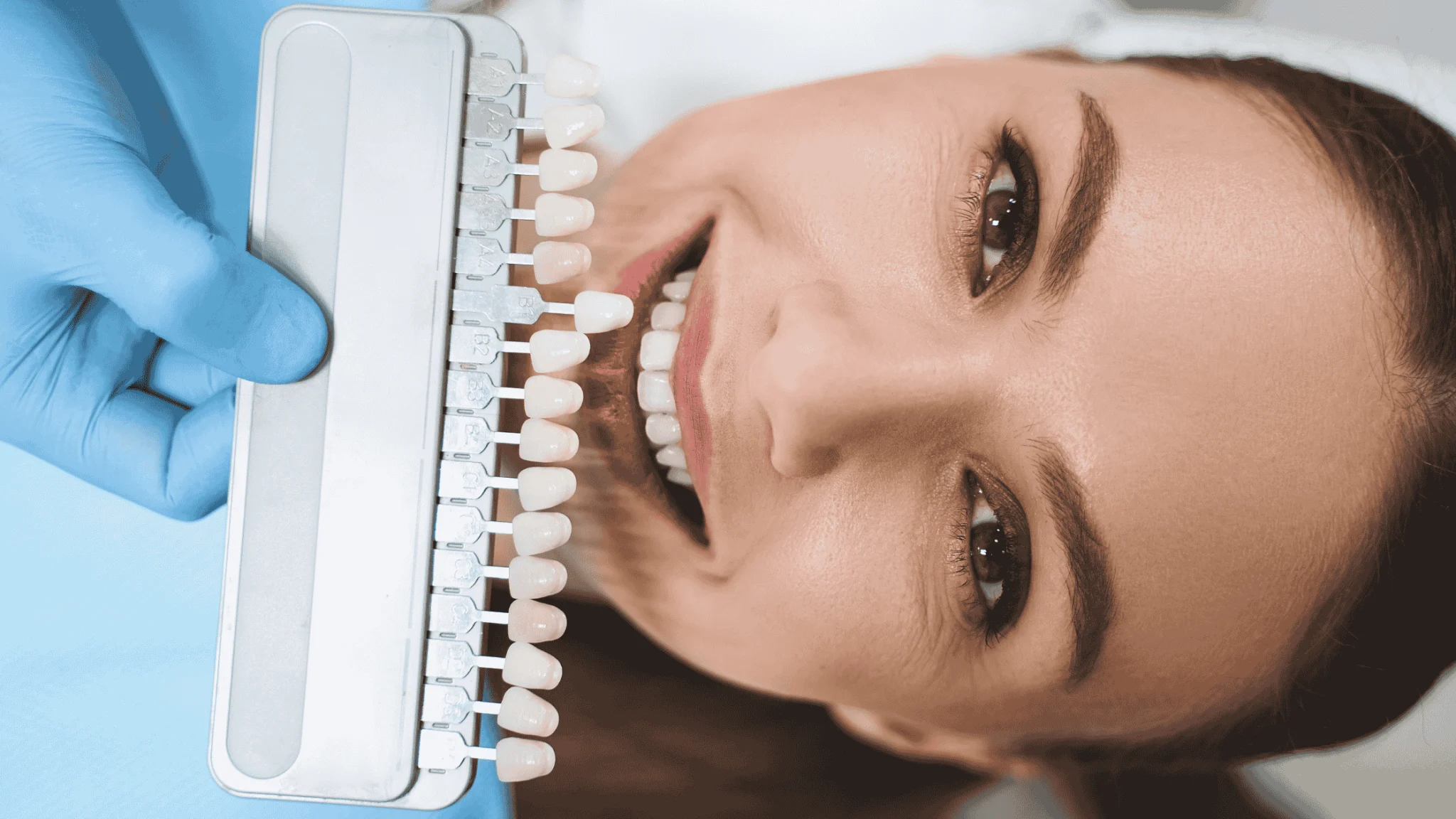
Your smile says a lot about you, but knowing which treatment will give you the best results can feel confusing. Many people wonder whether they need veneers or a full smile makeover to fix their dental concerns.
The main difference between smile makeover vs veneers is simple: veneers are thin shells placed on the front of your teeth to improve their look, while a smile makeover is a custom plan that combines multiple treatments like veneers, whitening, and gum reshaping to address several issues at once.
If you have minor problems like chips, stains, or small gaps, veneers might be enough. But if you want to fix multiple concerns or need a complete smile transformation, a smile makeover gives you more options.
Understanding what each treatment offers will help you make the right choice for your goals and budget.
This guide will walk you through the key differences between these two options. You’ll learn what each treatment includes, how long results last, and which one fits your needs best.
Key Takeaways
- Veneers fix single cosmetic issues while smile makeovers address multiple dental concerns with combined treatments
- Veneers provide quick results but a smile makeover offers a more comprehensive transformation of your entire smile
- Your choice depends on your specific dental needs, time frame, and budget for treatment
Smile Makeover vs Veneers: Core Differences
A smile makeover involves multiple cosmetic dental treatments working together to transform your entire smile. Veneers are a single treatment option that focuses on improving the appearance of your front teeth with thin shells.
What Is a Smile Makeover?
A complete smile makeover is a personalized treatment plan that combines several cosmetic dental procedures to address both the appearance and health of your teeth. Your dentist creates this plan based on your unique needs and goals.
The treatments included in your smile makeover might involve teeth whitening, dental crowns, dental implants, orthodontics, and veneers.
Some makeovers also include treatments for gum disease or bite problems. This approach lets you fix multiple issues at once instead of addressing them separately.
Your dentist will evaluate your dental health and create a treatment timeline that works for you. The process takes longer than single treatments because it involves multiple procedures.
However, the results can last for many years or even a lifetime with proper care.
What Are Veneers?

Veneers are thin, custom-made shells that your dentist bonds to the front surface of your teeth. They’re made from either porcelain or composite resin materials.
These shells cover cosmetic issues like stains, chips, cracks, or gaps between your teeth. Your dentist removes a small amount of enamel from your teeth to make room for the veneers.
Porcelain veneers offer durability and a natural appearance, while composite veneers cost less and take less time to apply.
You can expect your veneers to last 10 to 15 years with proper care. The procedure is quick and minimally invasive compared to other cosmetic dental treatments.
Veneers work best when you have healthy teeth and only need to address cosmetic concerns.
Goals of Each Treatment
Veneers focus on cosmetic improvement only. They fix visible problems like discoloration, minor chips, and small gaps. You choose veneers when your teeth are healthy but you want them to look better.
A smile transformation through a makeover addresses both appearance and function. This treatment tackles crooked teeth, missing teeth, gum issues, and bite problems alongside cosmetic concerns.
You get a solution that improves how your smile looks and how your teeth work.
The table below shows how these goals differ:
| Treatment Aspect | Veneers | Smile Makeover |
| Primary focus | Cosmetic only | Cosmetic and functional |
| Problems addressed | Stains, chips, gaps, shape | Multiple dental and health issues |
| Treatment complexity | Single procedure | Multiple procedures combined |
| Time required | A few days | Weeks to months |
Types and Techniques: Smile Makeover Components
A smile makeover combines multiple cosmetic dentistry treatments tailored to your specific needs. The process starts with a detailed treatment plan and includes various procedures from teeth whitening to orthodontics.
Custom Treatment Plans
Your smile makeover begins with a cosmetic consultation where your dentist evaluates your dental health and aesthetic goals.
During this visit, many dentists use digital imaging to show you what your new smile could look like before treatment begins.
This smile design process takes into account your facial features, skin tone, and personal preferences. Your dentist will create a treatment plan that addresses all your concerns in the right order.
For example, you might need gum contouring before getting veneers, or orthodontics before other cosmetic work.
The plan outlines which procedures you need, how long treatment will take, and what results you can expect. This personalized approach ensures every aspect of your smile works together for the best outcome.
Cosmetic Procedures in Smile Makeovers
Smile makeovers can involve various procedures including teeth whitening, bonding, veneers, and dental crowns. Teeth whitening brightens discolored teeth and is often one of the first steps in treatment.
Bonding uses tooth-colored resin to repair chips or gaps and can be completed quickly. Dental crowns cover damaged teeth to restore their shape and strength.
Veneers address multiple issues like stains, chips, and misalignment at once.
Gum contouring reshapes your gum line if you have a “gummy smile” or uneven gums. Dental implants replace missing teeth with permanent restorations that look and function like natural teeth.
Your dentist combines these treatments based on what your smile needs.
Orthodontics and Alignment Options
Standard procedures in smile makeovers include clear aligners like Invisalign for minor to moderate orthodontic corrections. These removable trays straighten your teeth without the visibility of traditional braces.
Traditional braces work well for complex alignment issues and provide precise control over tooth movement. Many adults choose clear aligners because they’re less noticeable during treatment.
Orthodontics often comes first in your treatment plan because properly aligned teeth make other cosmetic procedures more effective.
Straightening your teeth before adding veneers or crowns ensures better long-term results and a more balanced smile.
Types of Veneers and Their Applications
Veneers come in several different materials and styles, each designed for specific needs and situations. The main types include porcelain and composite resin options, with variations in how they’re created and applied to your teeth.
Porcelain Veneers
Porcelain veneers are considered the premium choice for transforming your smile. They look the most like natural tooth enamel and resist stains better than other options.
The process for getting porcelain veneers takes several weeks and requires two or three dentist visits. Your dentist will take x-rays and impressions of your teeth first.
Then they’ll prepare your teeth by removing a thin layer of enamel to make room for the veneers.
You might wear temporary veneers while a dental lab creates your custom porcelain ones. Once ready, your dentist bonds them permanently to your teeth using dental cement.
Benefits of porcelain veneers:
- Last 10 years or more with proper care
- Most natural-looking option available
- Highly stain-resistant
- Can be customized for color, shape, and size
The cost ranges from $925 to $2,500 per tooth. While this is the most expensive option, porcelain veneers offer the longest lifespan and best appearance of any dental veneers.
Composite Resin Veneers
Composite resin veneers provide a more affordable alternative to porcelain. Your dentist applies composite resin material directly to your teeth and shapes it to improve your smile.
The procedure is less invasive than porcelain but still requires some enamel removal. Your dentist will do minimal drilling to prepare your teeth. Then they bond the composite material directly to your tooth surface in a single visit.
Composite veneers typically last five years or more but aren’t as durable as porcelain. They’re more likely to stain from coffee, tea, or other foods and drinks. However, they can be repaired if damaged.
The cost ranges from $250 to $1,500 per tooth. This makes composite resin veneers a good choice if you want a permanent solution but have a tighter budget. The entire process usually takes just one day at the dentist’s office.
Temporary and Custom Veneers
Temporary veneers serve as placeholders while your permanent ones are being made. Your dentist creates these in-office and bonds them to your prepared teeth. They protect your teeth and let you test how veneers will look and feel.
These aren’t meant to last long—just a few weeks until your custom veneers arrive. They’re more fragile than permanent options and require extra care when eating.
Custom veneers are made specifically for your teeth in a dental lab. Whether porcelain or composite, these veneers are designed to match your desired tooth color, shape, and size perfectly.
The customization process involves detailed impressions and photos of your teeth.
No-prep veneers like Lumineers are a type of custom veneer that doesn’t require enamel removal. They’re thinner than traditional veneers and can be applied without drilling down your natural teeth.
This makes them semi-permanent rather than fully permanent.
When Are Veneers the Best Option?
Veneers work well for specific cosmetic dental problems. They’re ideal if you have cracked or chipped teeth, minor gaps between teeth, or discoloration that whitening can’t fix.
Veneers can also improve the appearance of slightly crooked teeth.
You should consider other treatments if you have missing teeth, severe gum disease, or extreme cavities. Veneers aren’t suitable for serious oral health issues that need medical attention first.
Veneers are primarily a cosmetic solution. If you only want to address the appearance of your front teeth without changing your entire smile, veneers might be all you need. They focus on the visible teeth when you smile.
People who grind their teeth severely might not be good candidates for veneers. The grinding can damage or crack the veneers over time. Your dentist can help determine if veneers will work for your specific situation.
Longevity, Maintenance, and Oral Health
Both veneers and smile makeovers require ongoing care to protect your investment. The lifespan of your treatment depends on the procedures involved and how well you maintain them through daily habits and professional dental care.
How Long Does a Smile Makeover Last?
The longevity of your smile makeover varies based on which treatments you receive. Smile makeovers can last from 5 to 20 years or more with proper maintenance.
Individual treatments have different lifespans:
- Porcelain veneers: 10-15 years, sometimes longer
- Composite bonding: 3-7 years
- Dental crowns: 10-15 years
- Tooth-colored fillings: 5-10 years
- Dental implants: The titanium base is permanent, though surrounding gum and bone health affects long-term success
Veneers on their own typically outlast composite bonding significantly. The quality of materials and your oral hygiene habits directly impact how long your results last.
Caring for Veneers and Smile Makeovers

Your dental veneers and other restorations need protection from daily wear. Avoid chewing ice, hard candies, or using your teeth to open packages.
If you grind or clench your teeth, wear a nightguard. Without one, veneer lifespan can be cut in half. This is one of the biggest factors that shortens how long your smile makeover lasts.
Diet also affects your results. Limit coffee, tea, red wine, and dark berries since your natural teeth can still stain even if porcelain veneers resist discoloration. Rinse with water after acidic foods and drinks to protect your enamel and gums.
Schedule professional cleanings every six months. Request veneer-friendly polishing paste since standard abrasives can dull porcelain over time.
Importance of Oral Hygiene
Good oral hygiene protects the teeth and gums around your restorations. While veneers and crowns don’t decay, the natural tooth structure supporting them can.
Brush twice daily with a soft-bristle brush and non-abrasive toothpaste. Floss or use a water flosser every day to clean the edges where restorations meet natural teeth.
Neglecting daily dental care is the fastest way to shorten your results. Gum disease and decay around restorations can lead to failure even when the veneer or crown itself remains intact.
Your dental health habits determine whether your smile makeover looks great for a few years or several decades. Consistent care makes all the difference in protecting your investment.
Cost, Candidacy, and Choosing the Right Option
Your budget and dental needs will shape which option works best for you. Understanding the price differences, who qualifies for each treatment, and how to set realistic goals will help you make the right choice.
Smile Makeover Cost vs Veneers Cost
Veneers are the more affordable option when you only need cosmetic improvements. A single veneer typically costs between $800 and $2,500 depending on the material and location.
Most people need 6 to 8 veneers for a full smile transformation.
Smile makeover cost varies widely based on which procedures you need. You might pay anywhere from $5,000 to $50,000 or more.
The price depends on whether you need dental implants, crowns, orthodontics, teeth whitening, or gum treatments combined with veneers.
Think of veneers as a single purchase while a smile makeover is a package deal. Your cosmetic dentist can break down costs for each treatment during your consultation.
Who Is a Good Candidate?
You’re a good candidate for veneers if your teeth are healthy but have cosmetic issues like stains, chips, or gaps. Your gums should be healthy and you shouldn’t grind your teeth heavily at night.
A smile makeover addresses multiple dental and aesthetic issues at once. You might need this option if you have crooked teeth, missing teeth, gum disease, or bite problems along with cosmetic concerns. People with several dental health issues often benefit more from the comprehensive approach.
Your age and overall health matter too. Younger patients with good oral health usually do well with veneers alone. Older patients or those who’ve delayed dental care might need the fuller treatment plan.
Visit Raleigh Dental Arts in Raleigh, NC, for a customized smile design and treatment plan.
Cosmetic Consultation and Smile Goals
During your cosmetic consultation, your dentist will examine your teeth and discuss what you want to achieve. Be specific about your smile goals. Do you want whiter teeth, a straighter smile, or both?
Bring photos of smiles you like to show your dentist. This helps them understand your vision. Your dentist will take X-rays and photos of your current smile to create a treatment plan.
Ask about different options and realistic outcomes. A good cosmetic dentist will explain what each treatment can and cannot fix. They might even show you digital previews of your potential results.
Members of the Academy of Cosmetic Dentistry have advanced training in smile design.
Natural Appearance and Personal Factors
Your natural appearance should guide your treatment choice. Veneers work best when they match your face shape, skin tone, and personality. Too-white or too-perfect teeth can look fake.
Consider your lifestyle and habits. If you play contact sports, you might need extra protection for veneers. Coffee drinkers and smokers should know that some materials stain over time.
Your career and social life might influence your decision too. Public speakers or people in customer-facing jobs often prioritize their smile. Think about how much time you can take off work for dental appointments and recovery.
Personal comfort with dental procedures matters. Some people prefer getting everything done at once while others like spacing out treatments. Your cosmetic dentist can adjust the timeline to fit your needs and comfort level.
Alternatives and Complementary Treatments
Several cosmetic dental options can work alongside or instead of veneers and full smile makeovers. These treatments range from simple bonding to professional whitening, each addressing specific dental concerns at different price points.
Dental Bonding vs Veneers
Dental bonding uses tooth-colored composite resin applied directly to your teeth to fix chips, gaps, and minor imperfections.
Your dentist shapes and molds the material to match your natural teeth, then hardens it with a special light. The entire process usually takes 30 to 60 minutes per tooth.
Composite bonding costs less than veneers and requires little to no removal of your tooth enamel. However, bonding material stains more easily than porcelain and typically lasts 3 to 10 years compared to veneers’ 10 to 15 years.
Teeth bonding works best for minor cosmetic fixes, while veneers provide more dramatic transformations. If you only need to repair one or two teeth, bonding offers a quick and affordable solution.
Crowns and Other Restorations
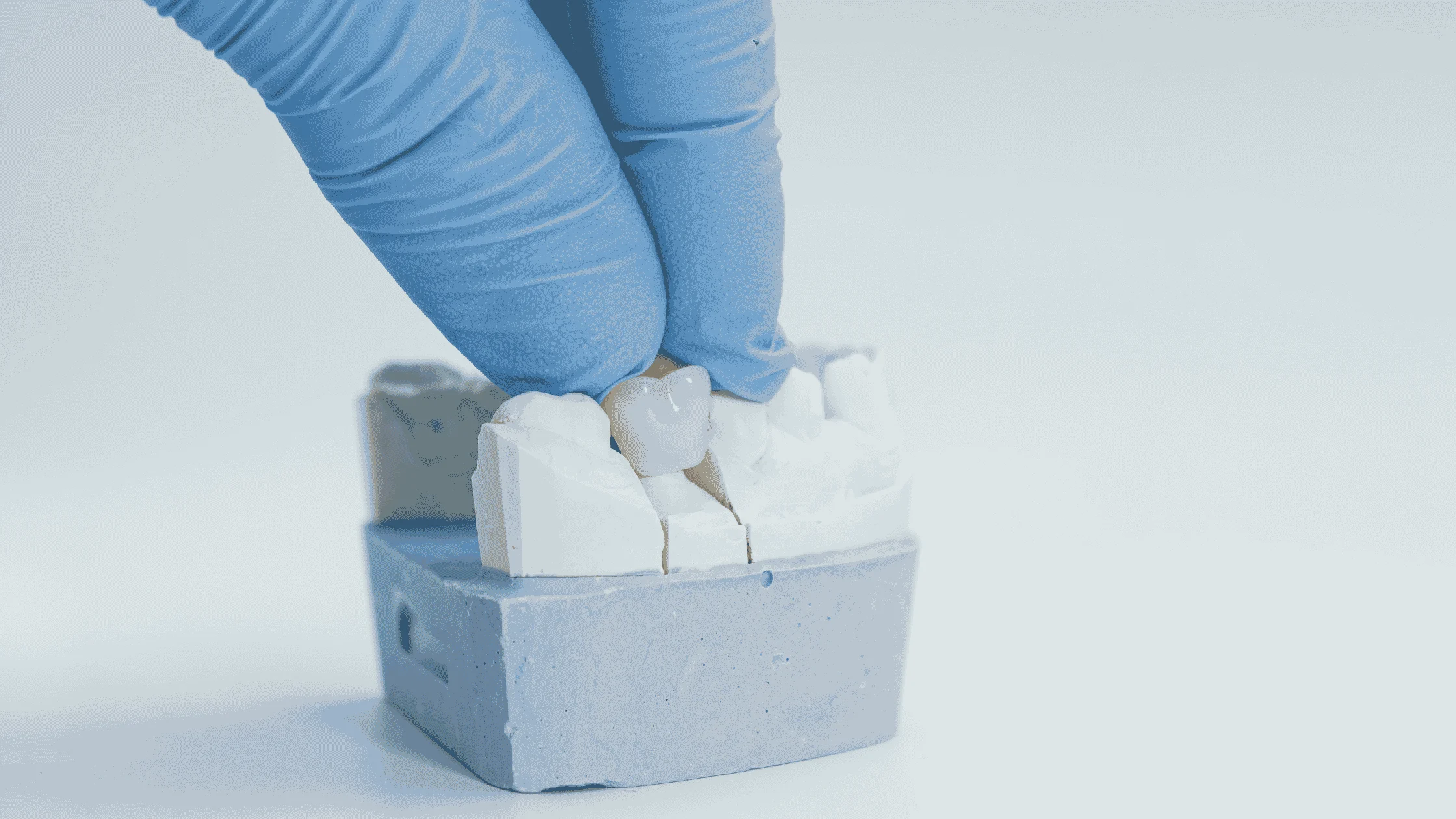
Dental crowns cover your entire tooth rather than just the front surface like veneers do. You might need crowns when your teeth have extensive decay, large fillings, or structural damage that veneers cannot fix.
Crowns provide both cosmetic improvements and functional support for weakened teeth. They protect damaged teeth from further harm while improving their appearance.
Other cosmetic treatments like implants and orthodontics can address missing teeth or alignment issues that veneers alone cannot solve.
Your dentist might combine crowns with other treatments as part of a comprehensive plan. This approach ensures both the health and beauty of your smile.
Professional Whitening and Enhancements
Professional teeth whitening removes stains and brightens your natural tooth color without altering tooth structure. Your dentist can lighten teeth several shades in a single visit using powerful bleaching agents.
Whitening costs significantly less than veneers and requires no permanent changes to your teeth. The results typically last 6 months to 2 years depending on your habits and diet.
You can combine whitening with other treatments for better results.
If you have healthy teeth with minimal cosmetic concerns, whitening might be all you need. However, whitening does not fix chips, gaps, or severe discoloration caused by certain medications or tooth damage.
Frequently Asked Questions
People often have similar questions when comparing their options for improving their smile. The cost, timeline, and maintenance requirements vary depending on which treatments you choose.
What procedures are usually included in a full smile makeover?
A smile makeover combines multiple dental procedures to transform your entire smile. Your treatment plan might include teeth whitening, veneers, dental implants, crowns, and orthodontics like braces.
The specific treatments you need depend on your dental health and goals. Some people need gum reshaping or periodontal work before getting cosmetic treatments.
Others might start with orthodontics to straighten their teeth before adding veneers for the final look.
Your dentist will create a custom plan based on what your teeth need. This approach addresses both health problems and appearance issues at the same time.
How do dentists decide whether veneers are the right option for someone?
Dentists look at your overall dental health before recommending veneers. You need healthy teeth and gums without major underlying problems like severe decay or gum disease.
Veneers work best for people with cosmetic concerns like stains, minor chips, gaps, or shape issues. Your dentist will check if you grind or clench your teeth, since this habit can damage veneers over time.
The amount of natural tooth enamel you have matters too. Veneers require removing a small amount of enamel, so your dentist needs to make sure you have enough.
If you have multiple dental health issues beyond cosmetics, your dentist might suggest a full smile makeover instead.
What are the main pros and cons of veneers compared with other cosmetic treatments?
Veneers are less invasive than many other dental treatments. The procedure is quick and can often be completed in just a few visits.
They offer excellent customization for color, shape, and size. Veneers can last 10 to 15 years with proper care, which makes them a good long-term option. They’re also more affordable than a complete smile makeover.
The main downside is that veneers only fix cosmetic problems. They don’t address underlying dental health issues like bite problems, missing teeth, or gum disease.
You’ll need to replace them if they get damaged or fall off, and the costs can add up.
Veneers also require permanent enamel removal. This means you’ll always need some type of covering on those teeth going forward.
At what age do most people consider cosmetic dental treatments, and is there an ideal time to start?
Most people start thinking about cosmetic dental work in their late twenties through their fifties. There’s no perfect age to get veneers or other treatments.
The right time depends on your dental development and needs. Dentists usually wait until your jaw has finished growing before doing permanent cosmetic work. This typically happens by your late teens or early twenties.
Your overall oral health matters more than your age. You need healthy gums and teeth before getting cosmetic treatments.
Some younger adults choose veneers after accidents or injuries, while older adults might want them to refresh their appearance.
How long do veneers typically last, and what kind of upkeep do they require?
Veneers usually last between 10 and 15 years when you take care of them properly. The exact lifespan depends on the material used and how well you maintain them.
You need to brush and floss your teeth normally with veneers. Regular dental checkups help catch any problems early. Avoid biting hard objects like ice or using your teeth to open packages.
If you grind your teeth at night, your dentist might recommend a mouth guard. This protects your veneers from excess pressure and cracking.
You should also limit foods and drinks that can stain, though porcelain veneers resist staining better than natural teeth.
When might crowns be recommended instead of veneers for improving the look of a smile?
Crowns cover your entire tooth, while veneers only cover the front surface. Your dentist might suggest crowns if you have teeth with large fillings, cracks, or significant structural damage.
Crowns provide more strength and protection for weak teeth. They’re often the better choice after root canal treatment or when a tooth has lost a lot of its natural structure.
Crowns may be part of your smile makeover along with other treatments. If you need both cosmetic improvement and structural support, crowns offer a more complete solution than veneers alone.
Your dentist will explain which option works best for each tooth based on its condition.