Dental implants are meant to last for many years, but sometimes problems can develop.
Dental implant failure occurs when the implant does not properly bond with your jawbone or when infection and other issues cause it to become loose or unstable.
The good news is that catching warning signs early gives you the best chance to save your implant or get it replaced successfully.
You might notice pain that does not go away, swelling around the implant, or movement when you touch it. These signs tell you something is wrong and you need to see your dentist right away.
Understanding why dental implant failure occurs helps you take the right steps to protect your smile.
This guide will show you how to spot problems early, what causes implants to fail, and what your dentist can do to fix the issue. You will also learn how to lower your risk of future problems with proper care.
Key Takeaways
- Watch for warning signs like persistent pain, swelling, bleeding gums, or a loose implant that moves when touched
- Contact your dentist immediately if you notice any symptoms since early treatment increases the chances of saving or successfully replacing your implant
- Prevent failure by maintaining good oral hygiene, quitting smoking, attending regular checkups, and following all aftercare instructions from your dentist
Recognizing Early Warning Signs of Dental Implant Failure
Catching signs of dental implant failure early gives you the best chance to save your implant and avoid more complex treatments.
Pain that doesn’t go away, swelling around the implant site, any movement when you touch the implant, or trouble chewing all signal that something needs attention right away.

Persistent or Escalating Pain
Some discomfort after getting a dental implant is normal and usually fades within a week or two. However, persistent pain that continues beyond the healing period represents one of the most serious warning signs you shouldn’t ignore.
Pay attention to pain that develops after your implant felt comfortable for weeks or months. This type of pain often means infection or a problem with how the implant integrated with your bone.
Sharp pain when you bite down can indicate the implant isn’t properly supported by the surrounding bone.
Normal vs. concerning pain:
- Normal: Mild soreness for 3-7 days after surgery
- Normal: Slight tenderness when eating during the first week
- Concerning: Throbbing pain several weeks after the procedure
- Concerning: Sharp discomfort when chewing months later
- Concerning: Pain that gets worse instead of better
Call your dentist right away if your pain is getting worse or doesn’t respond to over-the-counter pain medication.
Swelling, Redness, or Gum Inflammation
Healthy gums around your implant should look pink and fit snugly against the implant crown. Gum inflammation signals potential peri-implantitis, a bacterial infection that can destroy the bone supporting your implant.
Watch for gums that appear red, swollen, or bleed when you brush or floss around the implant. You might also notice your gums pulling away from the implant, exposing metal threads that should stay hidden beneath the gum line.
Other warning signs include pus or discharge around the implant site and persistent bad breath that doesn’t improve with brushing. These symptoms indicate bacteria have infected the tissues around your implant.
Without treatment, this infection spreads deeper and damages the bone that holds your implant in place.
Schedule a dental appointment within a day or two if you notice any of these inflammatory signs.
Loose or Shifting Implant
A properly healed dental implant should feel as solid and stable as your natural teeth. Any movement in your implant indicates failed osseointegration, which means your bone didn’t fuse correctly with the implant.
You might notice your implant feels loose when you touch it with your tongue or finger. Some people feel shifting or wiggling when they chew firm foods or speak.
Early implant failure often shows up as mobility during the first few months after placement.
A loose implant requires immediate attention because continued pressure can cause more bone loss. This makes future treatment more difficult and expensive. Don’t try to avoid using the implant or hope it will tighten up on its own.
Contact your dentist the same day you notice any movement. They’ll examine the implant and determine whether it can be saved or needs replacement.
Difficulty Chewing or Bite Changes
Your dental implant should restore normal chewing function without any discomfort once healing completes. Problems with chewing or changes in how your teeth fit together point to potential implant complications.
You might experience pain when biting down on the implant side or find yourself avoiding certain foods because of discomfort. Some people notice clicking sounds during chewing or feel like their bite is off.
These functional problems can result from a shifting implant, misalignment, or loose components connecting the implant to your crown.
Changes in your bite put abnormal stress on the implant and surrounding teeth. This extra pressure can speed up implant failure if left unchecked.
Your dentist can adjust your bite, tighten loose parts, or recommend other treatments depending on what’s causing the problem.
Don’t wait for your next regular checkup if chewing becomes painful or difficult. Early intervention often prevents minor issues from becoming major failures.
Visible Changes Around the Implant Area
Your gums and the tissue around your implant can show clear visual signs when something goes wrong. Changes like gum pulling away from the implant, bleeding that won’t stop, or bad tastes in your mouth need attention right away.

Gum Recession or Exposed Implant Post
Healthy gums should fit snugly around your implant crown, just like they do around natural teeth. When you notice your gums pulling back or receding, this exposes more of the implant post underneath.
You might see gray metal showing through where pink tissue used to cover it.
Gum recession around implants often signals bone loss happening beneath the surface. The bone that holds your implant in place may be shrinking, which causes the gum tissue to follow.
This creates pockets where bacteria can collect and cause infection.
An exposed implant post makes your implant more vulnerable to damage. The metal surface can trap food and plaque more easily than tooth enamel does.
If you see any metal showing where it didn’t before, schedule a dental visit soon to check for signs of implant failure.
Unusual Bleeding or Discharge
Light bleeding when you first start flossing around a new implant is normal. But bleeding that continues weeks after your surgery or starts suddenly months later is not. Your gums around a healthy implant should not bleed during regular brushing.
Bleeding that happens every time you clean around your implant suggests inflammation or infection. You might also notice pus or a yellow-white discharge coming from the gum line. This discharge has a distinct appearance and often comes with swelling.
A loose dental implant combined with bleeding means the infection has progressed. The bacteria causing the discharge can damage the bone holding your implant. Don’t wait to see if bleeding stops on its own.
Bad Breath or Foul Taste
A persistent bad taste in your mouth that doesn’t go away with brushing can point to infection around your implant.
This metallic or bitter taste often comes from bacteria building up in pockets between your gum and the implant surface. The taste may be stronger in the morning or after eating.
Bad breath that targets one area of your mouth rather than your whole mouth suggests a localized problem. When infection develops around an implant, it produces compounds that create distinctive odors.
Regular mouthwash might mask the smell temporarily but won’t fix the underlying issue.
These taste and smell changes often appear alongside other warning signs like swelling or tenderness. Pay attention if the bad taste seems to come from the area where your implant is located.
Common Causes of Dental Implant Failure
Dental implant failure can happen due to loose implants, gum infection, or pressure on the implant. Several factors can prevent your implant from integrating properly with your jawbone or cause problems months or years after placement.
Peri-Implantitis and Implant-Related Infection
Infection is the most frequent and avoidable cause of dental implant failure. Peri-implantitis occurs when bacteria build up around your implant, causing inflammation in the soft tissues and bone loss around the implant site.
This condition starts when plaque accumulates on the exposed surfaces of your implant. Poor oral hygiene is a major risk factor, but cement left under your gums after the crown placement can also trigger bacterial growth.
You might not notice peri-implantitis in its early stages. Warning signs include:
- Swollen or red gums around the implant
- Bleeding when you brush or floss
- Pain or tenderness near the implant
- Bad taste in your mouth
- Pus around the implant site
If you previously had periodontitis, you face a higher risk of developing peri-implantitis. The same bacteria that caused your gum disease can attack the tissues around your implant.
Failed Osseointegration
Osseointegration is the process where your jawbone fuses with the titanium implant. When this process fails, your implant cannot support a crown and will eventually need removal.
Early implant failure happens when your body doesn’t accept the implant before your dentist places the final crown. Several factors can disrupt the bonding process between bone and implant.
Surgical trauma during placement can damage your bone tissue. If your surgeon overheats the bone during drilling or doesn’t use enough irrigation, the cells needed for healing may die.
Poor bone quality or insufficient bone volume at the implant site also reduces your chances of successful integration.
Micromotion of the implant during the healing phase prevents proper bone formation. Your implant needs to stay completely stable for the first few months after surgery.
Smoking significantly reduces blood flow to your gums and bone, which slows healing and decreases your odds of successful osseointegration.
Teeth Grinding and Bruxism

Teeth grinding puts excessive force on your dental implants. When you grind or clench your teeth, especially at night, you create pressure that your jawbone cannot handle over time.
This constant stress can cause bone loss around your implant. The implant may loosen or the crown on top might crack or break. You might also notice your implant screws becoming loose, which requires immediate attention.
Bruxism-related damage often shows up as late implant failure, occurring one to three years after placement. Your dentist should evaluate you for grinding habits before placing implants.
If you have bruxism, wearing a custom nightguard protects your investment. The guard distributes forces evenly across your teeth and reduces stress on individual implants.
Systemic Health Factors
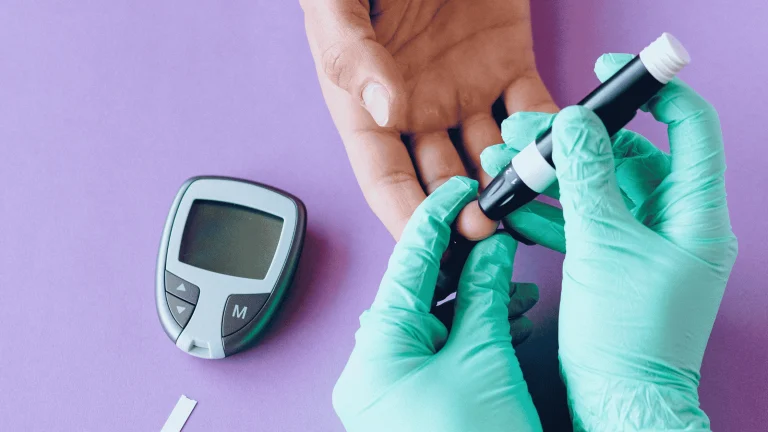
Your overall health plays a major role in implant success. Uncontrolled diabetes affects your body’s ability to heal and fight infections. High blood sugar levels slow bone healing and increase your risk of peri-implantitis.
Osteoporosis weakens your jawbone density, making it harder for implants to integrate properly. Medications you take for osteoporosis, particularly bisphosphonates, can interfere with bone remodeling around your implant.
Certain medications like corticosteroids suppress your immune system and slow healing. If you take these drugs long-term, discuss the risks with your dentist before getting implants.
Autoimmune conditions can trigger your body to reject the implant. Your immune system may attack the tissues around the implant site, preventing proper integration.
Diagnosis and Professional Assessment
Your dentist will use clinical exams and imaging to determine if your implant is failing and identify the underlying cause. This process helps create the right treatment plan for your specific situation.
Clinical Exam and Dental Imaging
Your dentist starts by examining the implant site to check for signs of infection, inflammation, or movement. They’ll gently press on the implant to test its stability and look for any visible problems like gum recession or exposed metal.
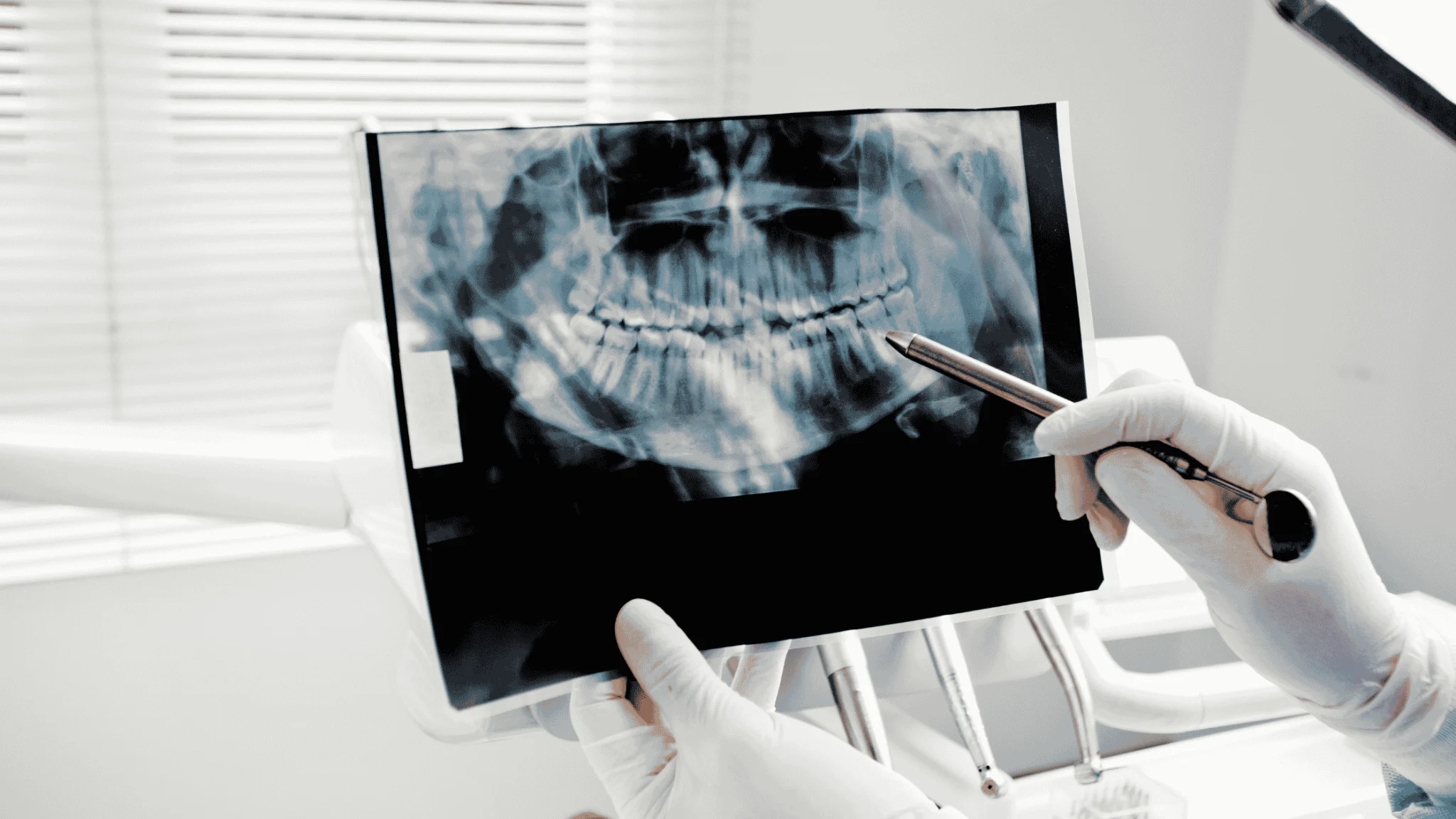
Dental imaging plays a critical role in diagnosis. X-rays show how much bone surrounds your implant and reveal any bone loss that might be happening.
CT scans provide even more detailed 3D images that help your dentist see the exact position of the implant and measure bone density.
Your dentist may also use a special tool called a periodontal probe to measure pocket depths around the implant. Deep pockets often indicate infection or gum disease.
These measurements get compared to your baseline numbers from when the implant was placed.
Role of the Oral Surgeon
An oral surgeon has specialized training to diagnose complex implant problems that general dentists might miss. They can identify issues like improper implant placement or poor bone quality that led to failure.
The oral surgeon evaluates whether your implant can be saved or needs to be removed. They also determine if you need procedures like bone grafting before getting a replacement implant.
Their expertise is especially important if you have medical conditions that affect healing or if your case involves multiple failed implants.
They’ll review your complete medical history and any medications you take. This helps them understand factors that might contribute to failure.
Assessing Bone and Gum Health
Your dentist checks the bone around your implant to see if it’s strong enough to support the implant post. Healthy bone should be dense and tightly fused to the implant surface through a process called osseointegration.
Signs of poor bone health include:
- Visible bone loss on X-rays
- Soft or spongy areas around the implant
- Gaps between the bone and implant surface
- Reduced bone density measurements
Gum health is equally important. Your dentist looks for red, swollen, or bleeding gums that signal infection. They check if your gums are receding and exposing parts of the implant that should stay covered.
Healthy gum tissue should be pink, firm, and fit snugly around the implant crown.
What to Do Next: Immediate Steps and Treatment Options
Acting quickly when you notice problems with your dental implant can save you time, money, and discomfort. Your dentist has several ways to address implant failure, from simple adjustments to complete replacement with bone support procedures.
Contacting Your Dental Professional
You should call your dentist as soon as you notice any warning signs. Don’t wait to see if the problem goes away on its own.
When you contact your dental office, describe your symptoms clearly. Tell them about any pain, swelling, or movement you’re experiencing. Mention when the symptoms started and if anything makes them better or worse.
Your dentist will likely want to see you right away. They’ll examine the implant site and may take X-rays or other images to see what’s happening beneath the gum line.
Specialized instruments like the Periotest can measure implant stability to determine how serious the problem is.
Until your appointment, avoid chewing on the affected side. This reduces stress on the implant and prevents further damage.
Non-Surgical Interventions
Not every implant problem requires surgery. If you catch the issue early enough, your dentist may be able to fix it with less invasive methods.
For infections like peri-implantitis, deep cleaning and antibiotic treatment can remove bacteria and reduce inflammation. Your dentist will clean around the implant and may prescribe antibiotics to fight the infection.
If grinding your teeth is causing problems, a custom night guard protects your implant from excessive pressure while you sleep. Your dentist might also adjust the crown or prosthesis to reduce mechanical stress on the implant.
These treatments work best when:
- The implant is still stable
- Bone loss is minimal
- You catch the problem early
- You follow all aftercare instructions carefully
Implant Removal and Replacement
Sometimes the implant is too damaged to save. In these cases, implant removal becomes necessary.
Your dentist will numb the area and carefully remove the failed implant. This procedure is typically straightforward and causes minimal discomfort. After removal, the site needs time to heal completely.
The healing period usually takes 3 to 4 months. During this time, the bone and tissue recover and prepare for a new implant. Your dentist will monitor the healing process to ensure everything is progressing normally.
Once healed, you can get a new implant. Studies show dental implants have a success rate of 90% to 98%, so your replacement implant has excellent chances of working well. Your dentist may use a different size or position for better results.
Bone Grafting Procedures
If you’ve experienced significant bone loss, bone grafting adds strength to the implant site before placing a new implant.
During bone grafting, your dentist adds bone material to the affected area. This material can come from your own body, a donor, or synthetic sources. The graft creates a solid foundation for your future implant.
Bone grafting may be needed if:
- Infection caused bone damage
- Your implant was loose for an extended period
- You have naturally low bone density
- Previous implant removal left insufficient bone
For upper jaw implants, you might need a sinus lift. This procedure raises the sinus floor to create more space for bone and the implant. It sounds complicated, but it’s a routine procedure that greatly improves success rates.
The bone graft needs several months to integrate with your existing bone. Your dentist will check the site regularly to confirm it’s healing properly before proceeding with implant replacement.
How to Prevent Dental Implant Failure
Most dental implant problems can be avoided with proper daily care, regular checkups, and choosing an experienced dental team.
Managing your overall health and following your dentist’s instructions also play a big role in keeping your implants healthy for years to come.
Oral Hygiene Practices
Your daily oral hygiene routine is one of the biggest factors in preventing dental implant failure. You need to brush your teeth at least twice a day using a soft-bristled toothbrush and non-abrasive toothpaste.
Pay special attention to the area around your implants. Food particles and bacteria can build up along the gum line and cause infections if not removed properly.
Flossing is just as important as brushing. Use unwaxed tape or implant-specific floss to clean between your implant and neighboring teeth. You can also use interdental brushes or water flossers to reach areas that regular floss might miss.
Consider adding an antimicrobial mouth rinse to your routine. This can help reduce bacteria that lead to gum disease and peri-implantitis, which is a leading cause of implant failure.
Clean around your implant thoroughly every day without exception. This simple habit makes a huge difference in long-term success.
Managing Medical Conditions
Certain health conditions can affect how well your body heals after implant surgery. Diabetes, if not properly controlled, can slow down bone healing and increase your risk of infection.
If you have diabetes, work with your doctor to keep your blood sugar levels stable before and after your implant procedure. This helps your body heal faster and reduces complications.
Smoking is one of the worst things for dental implants. It reduces blood flow to your gums and jawbone, making it harder for the implant to fuse properly with your bone.
You should quit smoking before getting dental implants and stay tobacco-free during the healing process. Even after your implant has healed, smoking continues to damage gum tissue and bone around the implant.
Other conditions like osteoporosis or autoimmune disorders may also affect implant success. Always tell your dentist about any medical conditions or medications you take so they can adjust your treatment plan accordingly.
Routine Dental Visits
Regular checkups allow your dentist to catch small problems before they become serious. You should visit your dentist every six months for professional cleanings and exams.
During these visits, your dentist will check the stability of your implant and look for early signs of infection or bone loss. X-rays or 3D scans may show bone loss around the implant that you cannot see or feel on your own.
Professional cleanings remove hardened plaque that regular brushing cannot eliminate. This buildup can lead to gum inflammation and eventual implant problems if left untreated.
Your dentist can also spot changes in your bite or signs of teeth grinding that might put extra pressure on your implant. Catching these issues early helps protect your investment and keeps your implant functioning properly.
Choosing the Right Provider
The experience and skill of your dental provider have a major impact on implant success rates. Look for a dentist or oral surgeon who has completed specialized training in implant dentistry.
Ask about their success rates and how many implant procedures they have performed. Providers who use advanced technology like 3D imaging and computer-guided placement typically have better outcomes.
Your provider should perform a thorough evaluation before surgery, including checking your bone density and overall oral health.
They should also explain the entire process, potential risks, and what you need to do to care for your implant afterward.
A good provider will create a personalized treatment plan based on your specific needs rather than using a one-size-fits-all approach. They should also be available for follow-up care if you have concerns after your procedure.
Frequently Asked Questions
Dental implant problems can raise many questions about symptoms, treatment timing, and long-term effects. Understanding these key issues helps you make informed decisions about your oral health.
What are the common symptoms indicating a dental implant may be failing?
Pain that lasts beyond the normal healing period is one of the first warning signs. You might feel sharp or throbbing discomfort weeks or months after your surgery.
A loose or wobbly implant means something is wrong. Your implant should feel stable like a natural tooth when you chew or brush.
Swelling and redness around the implant site can signal infection. You might also notice your gums pulling away from the implant or becoming tender to touch.
Difficulty biting or chewing suggests your implant may have shifted or failed to bond with your jawbone. Bad breath or a foul taste in your mouth can indicate an infection below the surface.
How can you tell if you have peri-implantitis?
Peri-implantitis is an infection that affects the gums and bone around your dental implant. The most visible signs include red, swollen, or bleeding gums near the implant.
You might notice your gums receding and exposing more of the metal post. The area may feel tender when you touch it or brush your teeth.
Bad breath that doesn’t go away with regular brushing could point to this infection. Some people also experience pus or discharge around the implant site.
Your dentist can detect peri-implantitis through X-rays that show bone loss around the implant. This is why regular dental checkups are so important for catching problems early.
What steps should you take if you suspect your dental implant isn’t functioning properly?
Contact your dentist or oral surgeon right away when you notice any warning signs. Early treatment gives you the best chance of saving your implant.
Schedule an appointment even if your symptoms seem minor. What starts as slight discomfort can quickly turn into a serious problem.
Avoid chewing on the affected side until you see your dentist. This prevents putting extra pressure on an already compromised implant.
Keep the area clean by gently brushing and rinsing with salt water. Don’t skip your oral hygiene routine, but be gentle around the problem area.
Write down all your symptoms before your appointment. Include when they started, how severe they are, and what makes them better or worse.
Can you explain the 3/2 rule in the context of dental implant care?
The 3/2 rule is a guideline some dentists use when planning implant placement. It refers to the spacing and bone requirements needed for successful implants.
The rule suggests having at least 3mm of bone on each side of the implant. This ensures proper support and reduces the risk of bone loss over time.
There should be at least 2mm of space between adjacent implants or teeth. This spacing allows for proper blood flow and helps maintain healthy gum tissue.
Following these measurements helps prevent complications during healing. Your oral surgeon uses imaging technology to confirm these requirements before placing your implant.
Is it necessary to seek immediate medical attention for a failing dental implant?
Yes, you should contact your dentist promptly when you notice signs of implant failure. Waiting can lead to more serious complications and make treatment harder.
Severe pain, heavy bleeding, or sudden swelling require urgent care. These symptoms might indicate a serious infection that needs immediate treatment.
A loose implant also needs quick attention. The longer you wait, the more bone loss you may experience around the implant site.
Early intervention often means simpler treatment options. Your dentist might be able to treat the problem with antibiotics or deep cleaning instead of removal.
What are the potential consequences of not treating a failing dental implant?
Untreated implant failure can lead to serious bone loss in your jaw. Once bone deteriorates, it becomes much harder to place a replacement implant later.
The infection can spread to nearby teeth and gums. This puts your other healthy teeth at risk and may require more extensive dental work.
You might develop chronic pain that affects your daily life. Eating, speaking, and sleeping can all become difficult with an untreated failing implant.
The surrounding gum tissue can become severely damaged. Advanced gum disease may develop, which affects your overall oral health.
In rare cases, untreated infections can spread to other parts of your body. This can create serious health problems beyond just your mouth.
Removing a failed implant becomes more complicated the longer you wait. You may need bone grafting or other procedures before getting a replacement.