

Dental implants can transform your smile and restore your confidence, but the price tag often catches people off guard.
A single dental implant typically costs between $3,000 and $6,000, with the final price depending on the implant post, abutment, crown, your location, any additional procedures like bone grafts, and the materials and brands your dentist uses.
Understanding what drives these costs helps you plan your budget and avoid surprises.
The truth is that dental implant pricing isn’t straightforward. Your final bill depends on multiple factors that work together. Some costs are unavoidable, like the surgical procedure and materials.
Others vary based on your specific situation, such as whether you need bone grafting or a sinus lift before the implant can be placed.
This guide breaks down every component that affects dental implant costs, from the initial consultation to follow-up care.
You’ll learn which factors you can control, how insurance might help, and what questions to ask your dentist to get the best value for your investment.
Key Takeaways
- The cost of a dental implant includes multiple components like the consultation, surgery, implant post, abutment, and crown
- Additional procedures such as bone grafts or tooth extractions can add between $500 and $5,000 to your total cost
- Insurance coverage, payment plans, and comparing quotes from different providers can help you manage the expense of dental implants
Dental Implant Cost Breakdown: Essential Components
A single dental implant typically costs between $1,500 and $6,000, while full mouth dental implants range from $24,000 to $50,000. Each component of your dental implant contributes to the final price, from the materials used to the specialist performing your procedure.
Average Cost of Dental Implants
The average single tooth implant cost falls between $3,000 and $4,500 when you include all the necessary parts. This single dental implant cost covers the implant post, abutment, and crown together.
Your location significantly impacts what you’ll pay. Urban areas typically charge more than rural communities. The complexity of your case also matters, if you need extra procedures like bone grafts, your costs will increase.
Full-mouth implants represent a much larger investment. All-on-4 or All-on-6 procedures typically range from $18,000 to $35,000 per arch. Full dental implants for both arches can reach $50,000 or more depending on your specific needs.
Implant Post, Abutment, and Crown
The implant post serves as your artificial tooth root and costs between $1,000 and $2,500 for standard options. Premium brands can reach $4,000. This titanium post gets surgically placed into your jawbone.
The abutment connects your implant post to the visible crown. You’ll pay $300 to $600 for this connector piece. It attaches to the post after your jawbone has healed around the implant.
Crown costs range from $1,000 to $3,000 depending on the material you choose. Porcelain crowns cost more than metal ones but look more natural. Your crown is custom-made to match your existing teeth in color and shape.
Temporary Restorations
You might need a temporary crown while waiting for your permanent one to be made. These temporary restorations cost $200 to $500 and protect your implant site during healing.
Temporary teeth help you maintain your appearance and basic chewing function. They’re especially important for front teeth where gaps would be visible.
The timeframe for wearing temporary restorations varies from a few weeks to several months.
Labor and Specialist Fees
Your dental implant procedure requires specialized expertise from trained professionals. An oral surgeon typically charges $1,000 to $3,000 for the surgical placement. A periodontist may perform the surgery if you have gum disease concerns.
A prosthodontist often handles the crown placement and final restoration work. Their fees are usually included in the crown cost but can be billed separately. Anesthesia adds another $200 to $800 to your total bill.
Operating room fees at dental facilities range from $500 to $1,500. These cover the use of surgical equipment and sterile environments. Some dentists perform implants in their regular offices, which can reduce these costs.
Key Factors That Influence the Final Price
The dental implant cost you’ll pay depends on several interconnected factors that range from how many teeth you’re replacing to where you live.
Your specific treatment plan, the complexity of your case, and any preparatory work needed all play major roles in determining your final bill.
Number of Implants and Case Complexity
A single tooth implant typically costs between $1,500 and $6,000 in the United States. The price jumps significantly when you need multiple implants.
Full mouth implants can range from $24,000 to $50,000 because you’re replacing an entire arch of teeth. However, specialized techniques like All-on-4 or All-on-6 procedures often cost less than placing individual implants for each tooth.
All-on-4 uses four strategically placed implants to support a full arch of replacement teeth. All-on-6 adds two more implants for additional stability. These options typically run between $15,000 and $30,000 per arch.
Your case complexity matters too. If you have good bone density and healthy gums, your implant surgery will be more straightforward.
Patients with jawbone deterioration, gum disease, or unusual anatomical challenges need more extensive treatment planning and specialized approaches that increase costs.
Type of Dental Implant Procedure
Different implant procedures vary in price based on their technical demands and materials used. Standard endosteal implants are the most common type and anchor directly into your jawbone.
An implant-supported bridge can replace several adjacent teeth using fewer implants than individual replacements. This approach costs less than placing separate implants for each missing tooth while still providing excellent stability.
Zygomatic implants represent a specialized solution for patients with severe upper jaw bone loss. These longer implants anchor into your cheekbone rather than the jaw and require advanced surgical expertise.
They cost significantly more than traditional implants but eliminate the need for extensive bone grafting.
Mini implants are smaller and less expensive but aren’t suitable for all situations. Your dentist will recommend the implant type that best matches your anatomy and restoration goals.
Additional Procedures and Preparatory Treatments
Many patients need additional procedures before implant placement, which add to the overall dental implant cost. These preparatory treatments ensure your implants have the best chance of long-term success.
Bone grafting is one of the most common extra procedures. If your jawbone lacks sufficient density or volume, bone grafts build up the area before implant surgery. A bone graft typically adds $300 to $3,000 to your treatment plan depending on the extent of grafting needed.
A sinus lift becomes necessary when placing implants in your upper jaw near the sinuses. This procedure raises the sinus floor and adds bone to create adequate space for implants. Sinus lifts generally cost between $1,500 and $3,000.
Tooth extraction adds another expense if you still have damaged teeth that need removal before implant placement. Simple extractions run $75 to $300 per tooth, while surgical extractions cost $150 to $650.
Geographic Location and Regional Pricing
Where you live significantly impacts what you’ll pay for implants. Major metropolitan areas like New York, Los Angeles, and San Francisco charge premium rates due to higher overhead costs and increased demand.
Rural areas and smaller cities typically offer lower prices. The same single tooth implant that costs $5,000 in a major city might run $3,000 in a less populated region.
Regional pricing differences also reflect variations in the local cost of living, dental lab fees, and competition among providers. States with fewer implant specialists may charge more due to limited availability.
International options present dramatic cost savings. Countries like Turkey, Mexico, and Costa Rica offer high-quality implant treatments at 50-70% less than U.S. prices while maintaining modern facilities and experienced specialists.
Impact of Materials and Brands on Dental Implant Costs
The materials used in your implant and the brand your dentist chooses can add hundreds or even thousands of dollars to your final bill.
Different metals, ceramics, and manufacturer reputations come with different price tags and performance expectations.
Implant Materials: Titanium vs. Zirconia
Titanium implants are the standard choice for most dental practices. They cost less than zirconia options and have decades of research backing their success rates.
You’ll typically pay $1,500 to $2,800 for a single titanium dental implant, though prices vary by location and provider.
Zirconia implants offer a metal-free alternative that appeals to patients wanting biocompatible materials or those concerned about metal allergies.
These white ceramic posts blend better with your gum tissue in visible areas. However, zirconia implants cost more than titanium and don’t have as much long-term clinical data supporting them.
The strength difference matters too. Titanium handles heavy chewing forces well and works throughout your mouth. Zirconia has moderate strength and works best in front teeth where appearance matters most but chewing pressure stays lighter.
Crown and Abutment Materials
Your crown material affects both appearance and cost. All-ceramic crowns made from zirconia or porcelain look most natural and cost more than other options. Porcelain-fused-to-metal crowns combine strength with decent aesthetics at a mid-range price point.
The abutment connects your implant post to the crown. Prefabricated abutments cost less and work well for straightforward cases.
Custom abutments improve how your crown emerges from the gum line and create better aesthetics, but they increase your lab fees significantly.
Material choices directly impact the total dental implant price you pay. Premium materials like multilayer zirconia require more lab work and specialized design compared to standard options.
Premium Brands and Research-Backed Systems
Brand names like Straumann and Nobel Biocare charge premium prices because they invest heavily in research and offer extensive documentation.
hese premium implant systems provide better tech support, replacement guarantees, and compatibility with dental labs worldwide.
Generic or lesser-known brands cost significantly less but may not include warranties or have as much clinical evidence.
Your dentist’s ability to source replacement parts years later depends partly on whether the manufacturer stays in business.
Premium brands also offer better surface treatments that can improve how quickly bone integrates with your implant. This technology adds to the upfront cost but may reduce your risk of implant failure down the road.
Dental Insurance, Financing, and Payment Options
Most dental insurance plans cover only part of implant costs, but multiple payment methods can help spread expenses.
You can combine insurance benefits with financing programs, tax-advantaged accounts, and discount options to make treatment more affordable.
Dental Insurance Coverage and Limitations
Traditional dental insurance rarely pays for the full implant procedure. Many plans classify implants as cosmetic or elective, which means they offer little to no coverage for the titanium post itself.
Some insurers will cover related parts of treatment. Your plan might pay for the crown, imaging, or extractions even if it excludes the implant post.
Insurance providers categorize implants as “major” procedures, reimbursing up to 50 percent of allowed amounts.
Before you schedule surgery, call your insurance company to ask does insurance cover dental implants under your specific plan. Request pre-authorization in writing so you know exactly what they’ll pay.
Watch for annual maximums, which typically range from $1,000 to $2,000 and can limit how much help you receive in a single year.
Payment Plans and In-House Financing
Many dental offices offer in-house dental implant payment plans that let you spread costs over several months. These arrangements usually require a down payment at your first appointment, then monthly installments until you reach the full balance.
Interest rates vary. Some practices charge zero interest if you pay within 12 or 18 months. Others add interest after a promotional period ends.
Third-party lenders like CareCredit extend healthcare credit cards designed for medical and dental expenses. You apply online or at the office, receive approval within minutes, and use the card to cover your treatment.
These financing options stretch payments over 12 to 60 months, making large bills easier to handle. Read the terms carefully because deferred interest can pile up if you miss the payoff deadline.
Using HSA, FSA, and Healthcare Credit Cards
Health Savings Accounts and Flexible Spending Accounts let you pay for implants with pre-tax dollars. You contribute money from each paycheck, and the IRS doesn’t count that income when calculating your tax bill.
An HSA works if you have a high-deductible health plan. You own the account, so unused funds roll over year after year. An FSA is tied to your employer and usually requires you to spend the balance by year-end or lose it.
Both accounts accept dental implants as qualified medical expenses. Using HSA or FSA funds can save you 20 to 30 percent compared to paying with taxed income.
Healthcare credit cards complement these accounts by covering any remaining balance your HSA or FSA doesn’t reach.
Dental Schools and Other Ways to Save

Dental schools need patients so students can practice implant placement under licensed supervision. Tuition-funded clinics charge significantly less than private offices, sometimes 30 to 50 percent below market rates.
Treatment takes longer because instructors review each step. You’ll attend more appointments, but you receive care from residents who follow strict protocols.
Ask about sliding-scale fees based on income. Some community health centers and nonprofit clinics offer affordable dental implants to qualifying patients.
You can also save money on dental implants by timing your procedure near your insurance benefit year rollover, which gives you access to a fresh annual maximum.
Shopping multiple offices for quotes helps you spot pricing outliers and negotiate better terms.
Alternatives to Dental Implants: Comparing Your Options
Several tooth replacement options cost less than traditional implants while still restoring function and appearance. Bridges, dentures, and mini implants each work differently and come with distinct price points and maintenance needs.
Dental Bridges
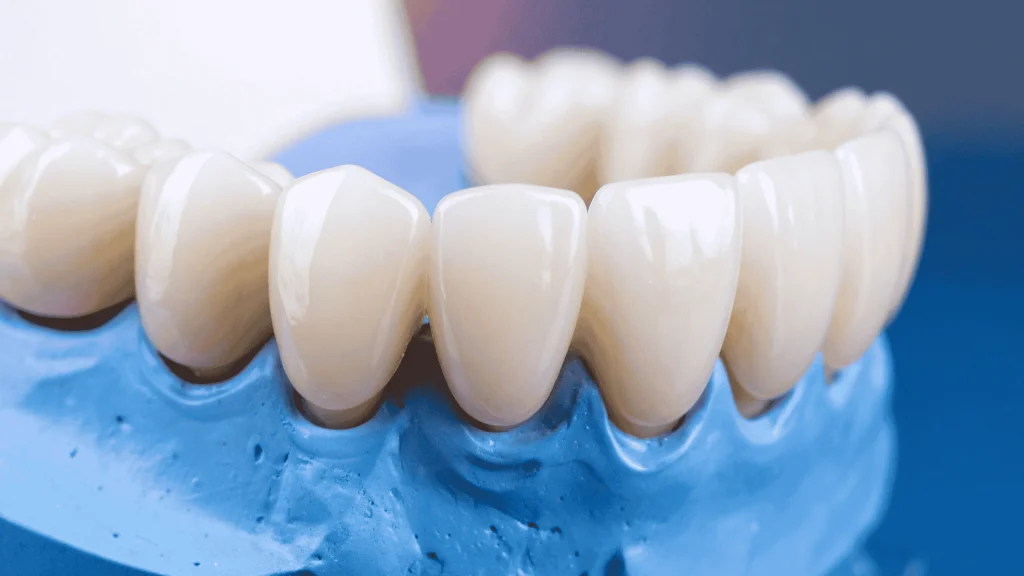
Dental bridges fill gaps left by one or more missing teeth without surgery. A traditional bridge consists of artificial teeth held in place by crowns attached to your natural teeth on either side of the gap.
Your dentist shapes the neighboring teeth to support the bridge structure. Classic dental bridges cost between $2,000 and $4,000 per tooth, making them more affordable than implants.
Maryland bridges offer a less invasive option for front teeth. These use metal or porcelain wings bonded to the back of adjacent teeth instead of full crowns. You pay $1,500 to $2,500 per tooth, and your natural teeth stay mostly intact.
Cantilever bridges attach to just one neighboring tooth when you only have support on one side. They cost $2,000 to $5,000 but can’t handle as much bite force as traditional bridges.
Dentures and Implant-Supported Dentures
Complete dentures replace all teeth in your upper or lower jaw for $500 to $6,500 per arch. You can remove them for cleaning, and they rest directly on your gums without surgery.
Partial dentures work when you still have some natural teeth remaining. Metal clasps or flexible materials hold them in place by attaching to your existing teeth.
Partial dentures range from $1,300 to $5,500 depending on how many teeth need replacing.
Implant-supported bridge or denture options combine the stability of implants with lower costs. Instead of one implant per tooth, a few implants support an entire arch of teeth.
This reduces surgical complexity while preventing the slipping common with traditional dentures.
Mini and Temporary Implants
Mini implants measure less than 3mm in diameter compared to standard 3.5-5mm implants. Your dentist places them through small openings without cutting large flaps in your gums.
These smaller posts cost $1,500 to $4,500 each and heal faster than full-size implants. They work well for securing dentures or replacing smaller teeth like incisors.
Temporary crown and implant solutions help during healing periods. Dental flippers serve as lightweight placeholders while you wait for permanent treatment. They maintain spacing and let you smile confidently during the transition.
Long-Term Value and Cost Comparison
| Option | Initial Cost | Lifespan | Maintenance |
| Traditional Implants | $3,000-$6,000 per tooth | 20+ years | Low |
| Dental Bridges | $2,000-$4,000 per tooth | 10-15 years | Moderate |
| Complete Dentures | $500-$6,500 per arch | 5-10 years | High |
| Mini Implants | $1,500-$4,500 each | 10-15 years | Low |
Dentures need replacement every 5 to 10 years as your jawbone changes shape. Bridges last longer but may require repairs if supporting teeth develop problems.
Traditional implants cost more upfront but rarely need replacing. Mini implants fall in the middle, offering better value than dentures with less expense than full implants.
Your specific situation determines which alternatives to dental implants make the most sense financially.
Getting the Best Value: Tips for Planning Your Dental Implant Treatment
Planning ahead helps you avoid unexpected costs and find a provider who delivers quality results. Understanding what makes a complete treatment plan and knowing which credentials matter most puts you in control of your investment.
Comprehensive Treatment Planning
A detailed treatment plan shows every step from initial scans to final crown placement. Your plan should list the cost of each implant component, including the post, abutment, and crown, plus any necessary procedures like bone grafting or tooth extractions.
Ask for a written breakdown that includes imaging costs, surgical fees, and follow-up visits. This prevents surprise charges later in treatment.
Good planning also includes a timeline. You need to know how long healing takes between stages and when you’ll receive your final restoration.
Some cases qualify for same-day temporary crowns, while others require months of bone integration before crown placement.
Choosing a Qualified Dental Provider
Look for specialists with advanced training in implant placement. Members of the American Academy of Implant Dentistry complete extra education beyond dental school.
An oral surgeon handles complex surgical cases, while a periodontist specializes in gum health and bone grafting. A prosthodontist focuses on designing and placing the final restoration.
Experience matters more than low prices. Providers who place implants regularly develop better surgical skills and recognize potential problems early.
Check if the practice uses CBCT scans for 3D imaging of your bone structure. This technology shows nerve locations and bone density before surgery, reducing complications.
Ask how many implant procedures the dentist performs yearly and what their success rate looks like.
Questions to Ask About Your Dental Implant Quote
Request an itemized quote that separates each service and material cost. This helps you compare pricing between practices accurately and understand where your money goes.
Ask these specific questions:
- What brand of implant system do you use and why?
- Does the price include all imaging, surgery, and follow-up visits?
- What happens if the implant doesn’t integrate properly?
- Do you offer a warranty on the implant or crown?
- Which financing options or payment plans are available?
Find out if your dental insurance covers any portion of the procedure. Some plans pay for the crown even if they don’t cover the implant post itself.
Understanding your treatment planning options and coverage before you start saves money and prevents billing surprises.
Frequently Asked Questions
The price of dental implants depends on several personal factors like your location, the materials used, and any prep work your jaw needs. Insurance coverage varies widely between plans, and financing options can make treatment more affordable.
What factors influence the price of a single tooth implant with no insurance coverage?
Without insurance, you’ll pay for every part of the implant process yourself. A complete single-tooth implant typically ranges from $3,000 to $4,800 when you include the implant post, abutment, and crown.
Your location plays a big role in the final price. The cost of living in your area affects dental practice expenses like rent and staff salaries. A dentist in a major city will likely charge more than one in a smaller town.
The materials chosen for your implant and crown affect the price too. Most implants use titanium, but some patients prefer zirconia, which costs more.
Your crown can be made from porcelain, ceramic, or zirconia, and each material has a different price point.
Your dentist’s experience and training also influence costs. A specialist with advanced implant training and years of experience will charge more than a general dentist. You’re paying for their expertise and higher success rates.
Any prep work needed before placing the implant adds to your total. If you’ve experienced bone loss, you might need a bone graft first. A tooth extraction or sinus lift would be separate charges that increase your out-of-pocket costs.
Can you explain the average out-of-pocket costs for dental implants with and without insurance?
Without any insurance coverage, a single dental implant typically costs between $1,500 and $6,000. This wide range reflects differences in materials, location, and complexity of your specific case.
When insurance is involved, your out-of-pocket cost depends entirely on your specific plan. Some plans now offer partial coverage for implants, recognizing them as a standard treatment option.
Your plan might cover the crown but not the implant post itself.
Many dental plans have annual maximum limits, often around $1,000 to $2,000. This means even with coverage, you’ll likely pay a significant portion yourself. Your insurance might cover 50% of the crown cost but none of the surgical placement.
The best way to know your real costs is to have your dentist’s office contact your insurance directly. They can verify your benefits and give you an accurate estimate of what you’ll pay. This helps you avoid surprise bills later.
How are full mouth dental implant costs estimated, and what might increase these expenses?
Full-mouth dental implants can cost between $24,000 and $50,000 depending on several factors. The number of implants needed to support your new teeth is the biggest cost driver.
The type of restoration you choose affects the total price. An All-on-4 treatment uses just four implants to support a full arch of teeth, which costs less than placing individual implants for each tooth. A fixed bridge costs more than a removable denture.
Your jaw health can increase expenses significantly. If you’ve lost bone density from missing teeth, you’ll need bone grafting before implants can be placed. Multiple bone grafts for a full mouth restoration add thousands to your treatment cost.
The materials selected for your final teeth matter too. High-quality porcelain or zirconia teeth look more natural but cost more than standard acrylic options. Your dentist will help you balance quality with your budget.
Additional procedures like tooth extractions or sinus lifts add to the total. If you need extensive prep work before any implants can be placed, your costs will be on the higher end of the range.
Are there any affordable dental implant financing options available to patients?
Most dental practices offer payment plans that let you spread costs over several months or years. These in-house plans often have little or no interest if you make regular payments on time.
Third-party financing companies like CareCredit specialize in healthcare expenses. They offer longer payment terms than most dental offices can provide directly. Some plans have promotional periods with 0% interest if you pay off the balance quickly.
A Health Savings Account (HSA) or Flexible Spending Account (FSA) can help reduce costs. You contribute pre-tax dollars that you can use for dental implants. This lowers your taxable income while paying for treatment.
Dental schools sometimes offer implant procedures at reduced costs. Students perform the work under close supervision from experienced faculty members. The treatment takes longer but can save you thousands of dollars.
Some practices offer package pricing or discounts for multiple implants done at once. Ask your dentist if they have any promotions or payment options that fit your budget.
What role does insurance play in the overall cost of a dental implant procedure?
Dental insurance coverage for implants varies widely between plans. Many modern plans now offer at least partial coverage, but the amount depends on your specific policy. Your plan might classify implants as a major procedure with 50% coverage.
Most insurance plans have annual maximums that limit total coverage. If your plan covers $1,500 per year and your implant costs $4,000, you’ll still pay $2,500 out of pocket. Some patients spread treatment across two calendar years to use benefits twice.
Your insurance might cover certain parts of the implant but not others. A common scenario is coverage for the crown but not the implant post or surgical placement. Understanding exactly what your plan covers helps you budget accurately.
Pre-authorization from your insurance company is important before starting treatment. Your dentist can submit your treatment plan for approval, so you know what percentage will be covered. This prevents surprise denials after the work is done.
How can a dental implant cost calculator help in budgeting for my upcoming procedure?
A cost calculator gives you a rough estimate based on the number of teeth you’re replacing. You enter basic information about your needs, and it provides a price range. This helps you understand what to expect before your consultation.
These calculators account for common factors like single tooth implants versus multiple teeth. They might ask about your location since costs vary by region. The estimate includes typical costs for the implant, abutment, and crown together.
A calculator can’t replace a professional evaluation by your dentist. It doesn’t know if you need bone grafts or other prep work. Use it as a starting point for budgeting, but expect your actual quote to differ based on your specific situation.