Losing a tooth can feel stressful, especially when you want a fast solution. You may wonder if you can remove the tooth and place an implant in the same visit.
You can get an immediate implant on the same day as your tooth extraction in some cases, but it depends on your bone, gum health, and the reason for removal.
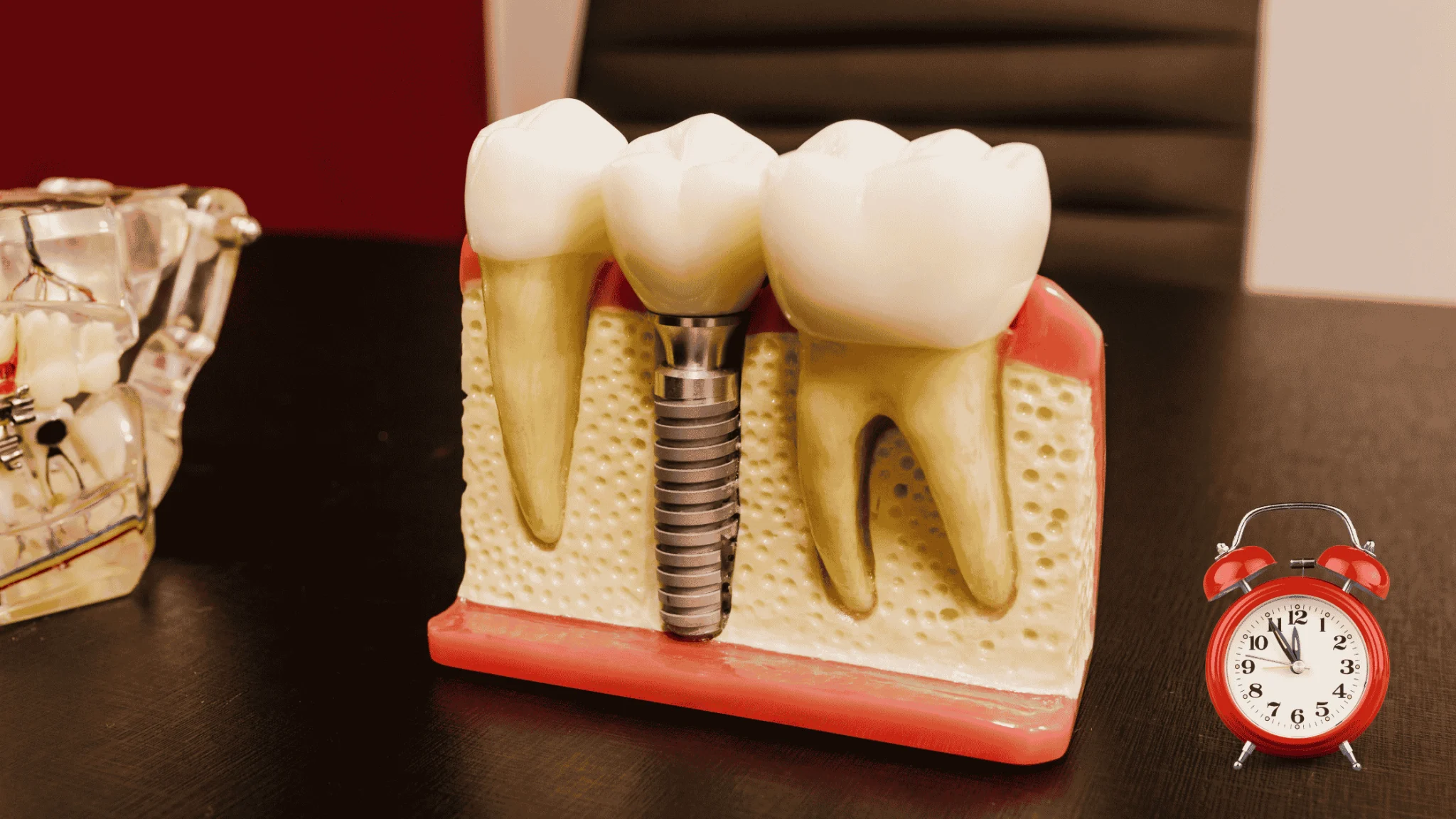
Same day implant and extraction can save time and reduce the number of surgeries. An immediate dental implant goes into the jaw right after the tooth comes out.
Your dentist checks the bone for strength and stability before placing the implant.
This approach works well when you have enough healthy bone and no active infection. It may not work if you need bone grafting or extra healing time. Knowing when same-day works helps you plan your care with confidence.
Key Takeaways
- You can sometimes get an immediate implant during the same visit as your tooth extraction.
- Healthy bone and gums increase the success of implant placement.
- Some cases require healing time before placing a dental implant.
Table of Content
- How Immediate Implant Placement Works
- Who Is a Candidate for Immediate Implants?
- Clinical Advantages and Potential Limitations
- Techniques to Enhance Success
- Patient Experience and Recovery Essentials
- Frequently Asked Questions
How Immediate Implant Placement Works
Immediate implant placement combines tooth removal and implant surgery in one visit. You leave with an implant post in place, and in many cases, a temporary tooth the same day.
What Happens During Same-Day Extraction and Implant
During tooth extraction and implant treatment, your dentist removes the damaged tooth with care to protect the surrounding bone. Keeping the bone walls intact is important for stability and appearance.
Right after the extraction, the dentist cleans the socket to remove infected or damaged tissue. Then they place a titanium implant post directly into the empty socket. This is called immediate implant placement.
To secure the implant, your dentist must achieve strong initial stability. They may use a longer or specially shaped implant to anchor into solid bone beyond the socket tip.
If there is a small gap between the implant and the front bone wall, they often place bone graft material. This step helps support the gum line and reduce future bone shrinkage.
Immediate Loading and Temporary Restorations
In some cases, you receive a same-day implant with a visible crown attached. This step is called immediate loading.
Your dentist places a temporary restoration, also known as a temporary tooth, on top of the implant. This crown usually stays out of heavy biting contact to protect healing.
You qualify for immediate dental implants with a temporary tooth only if:
- The implant feels stable at placement
- You have healthy gums
- You do not grind your teeth heavily
If these conditions are not met, your dentist places a healing cap instead. You still get the implant the same day, but you wait a few months before attaching a crown.
Timeline Compared to Traditional Implants
With traditional implants, you first remove the tooth and wait about 3–4 months for healing. After that, your dentist places the implant and waits again before adding the crown.
Immediate dental implants shorten this process. You combine extraction and implant placement in one visit, which reduces total treatment time.
Healing still takes several months under the gums. The implant must fuse with your bone before your dentist places the final crown.


Who Is a Candidate for Immediate Implants?
You can place an implant on the same day as a tooth extraction, but only if the site meets strict clinical standards. Your bone, gums, tooth condition, and overall health all guide this decision.
Key Factors: Bone Quality and Gum Health
Your bone quality and bone density play a central role in same-day implant success. The implant must lock into solid bone at the time of placement. If the bone feels soft or thin, it may not provide enough stability.
Dentists often look for an intact outer bone wall and enough depth to anchor the implant securely. Strong primary stability reduces movement during healing, which supports proper integration with the jaw.
Your gum health also matters. Thick, healthy gum tissue helps protect the implant and lowers the risk of recession. Swollen or infected gums increase complications.
If you have an active infection or abscess, your dentist may delay placement. Some cases allow immediate treatment if the infection is fully removed and the area is cleaned well.
Evaluating Tooth Condition and Anatomy
The condition of your tooth affects whether immediate placement works. A tooth with severe bone loss or a large abscess may leave too little support after removal.
Your dentist must perform an atraumatic extraction. This means removing the tooth gently to protect the surrounding bone. Damaged bone walls reduce implant stability and may require grafting.
Tooth location also matters. Front teeth often demand precise implant positioning for appearance. Back teeth must handle stronger chewing forces.
If you grind your teeth, you place extra pressure on a new implant. Teeth grinding can increase movement during healing. Your dentist may recommend a night guard and give strict post-operative instructions to protect the area.
Role of Advanced Imaging in Implant Planning
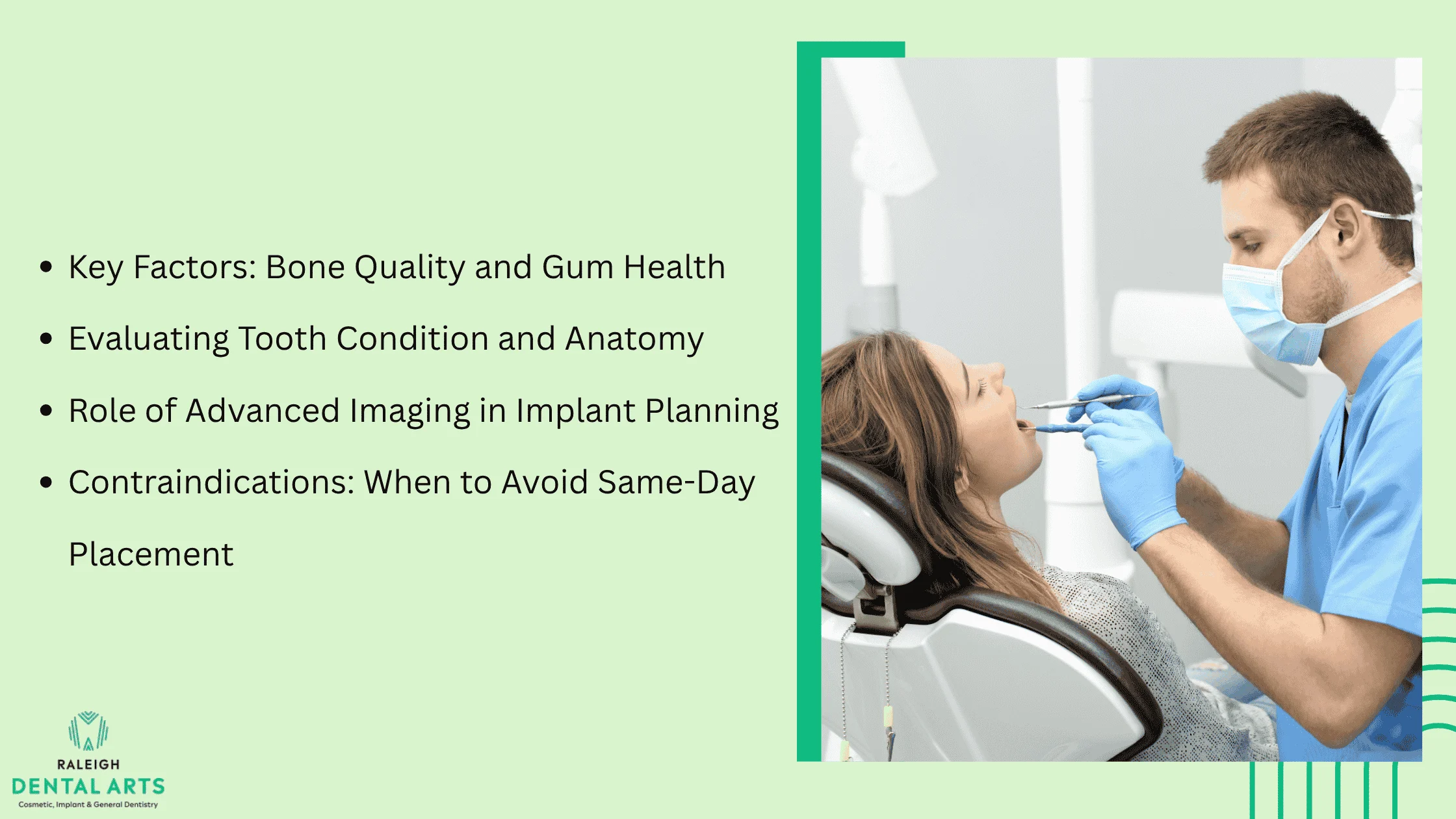
Accurate planning lowers risk. Your dentist uses 3D imaging evaluation to measure bone width, height, and density before surgery.
A cone beam CT scan shows the exact shape of your jaw. It helps your dentist check for hidden infections, thin bone, or nearby nerves and sinuses.
This scan guides detailed implant planning, including depth and angle. Correct implant positioning supports both strength and appearance.
Digital planning tools also help the dentist choose the right implant size. This improves stability and reduces guesswork during surgery.
Contraindications: When to Avoid Same-Day Placement
You should avoid immediate placement if you lack enough stable bone to secure the implant. Large bone defects often require grafting and healing first.
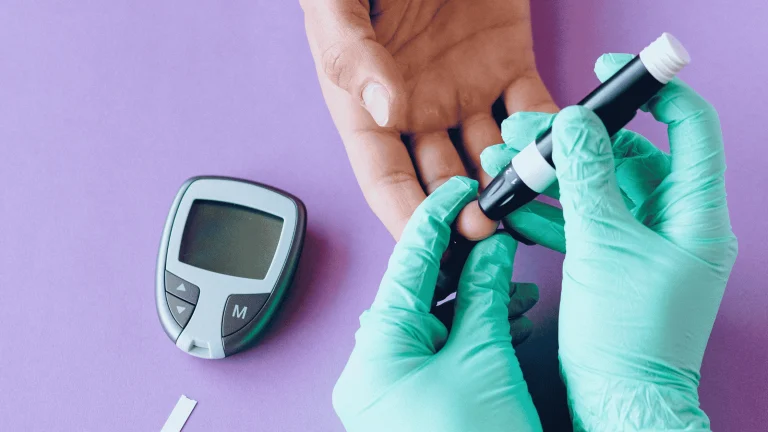
Uncontrolled medical conditions can also delay treatment. Poorly managed diabetes and heavy smoking slow healing and raise infection risk.
Severe untreated gum disease may make same-day treatment unsafe. Dentists often treat the disease first, then place the implant later.
If your dentist cannot achieve firm stability at placement, waiting is safer. Delayed implants allow bone and gum tissue to heal fully before the next step.
Clinical Advantages and Potential Limitations
Same-day implant placement can protect bone and soft tissue and shorten your care timeline. It can also fail if infection, weak bone, or poor planning reduce implant stability.
Preserving Bone and Gum Contours
When you place an implant right after extraction, you use the natural shape of the socket. This helps limit bone loss that often starts soon after a tooth is removed.
Your jaw begins to shrink within weeks. Immediate placement can support the bone walls and help maintain gum contours and facial support, especially in the front of the mouth.
The implant fills space inside the socket. This can reduce collapse of the thin facial bone and help you keep a natural look.
You still need careful planning. If gaps remain between the implant and socket walls, your surgeon may use bone grafting or socket preservation steps to support healing. Good positioning is key in modern implant dentistry, since poor angulation can harm both bone and soft tissue.
Reduced Treatment Time and Appointments
Immediate placement reduces the number of surgeries you need. You remove the tooth and place the implant in the same visit.
This shortens your total treatment time. Some cases even allow a temporary crown the same day, if you have strong implant stability.
Fewer visits can lower stress and help you return to normal eating and speaking sooner. You also avoid a long healing period with a missing tooth or removable flipper.
Research notes that immediate implant placement can reduce procedures while keeping patient satisfaction high when case selection is careful.
Still, you must meet strict criteria. Good bone quality and no active infection improve your chances of success.
Possible Risks: Bone Loss and Implant Failure
Immediate implants do not stop all bone loss. The outer facial bone can still shrink, even if the implant survives.
If the socket has infection or large bone defects, your risk rises. Poor primary stability can lead to micromovement, which may cause implant failure.
Thin bone walls also increase risk. In the front upper jaw, even small changes can affect your smile line and gum shape.
You may also face soft tissue recession. This can expose metal or create uneven gum contours. Careful planning reduces these problems.
Cases Better Suited for Delayed Placement
A delayed implant often works better when infection is severe. Active abscesses or large cysts may require healing before you place an implant.
You may also need delay if the facial bone is missing or very thin. In these cases, you might first use bone grafting and socket preservation to rebuild support.
Heavy smokers and patients with uncontrolled diabetes face higher risk of implant failure. You may benefit from stabilizing your health before surgery.
Complex extractions with major bone damage also favor delay. Allowing the site to heal for several months can create stronger bone for future implant stability.
In short, same-day treatment works best when you have intact bone walls, healthy gums, and good overall health. When those factors are not present, a staged approach often gives you a safer and more predictable result.
Looking for immediate tooth replacement near you in Raleigh, NC? Book your implant evaluation today.
Techniques to Enhance Success
You improve your chances of long-term implant success when you protect bone, secure strong initial stability, and choose the right loading plan. Each step plays a direct role in healing and function.
Socket Preservation and Bone Grafting

After you remove a tooth, the surrounding bone begins to shrink. This loss can affect implant position and final appearance, especially in the front of the mouth.
You can limit this change with socket preservation. This step often includes placing a bone graft into the empty socket right after extraction. The graft supports the bone walls and helps maintain width and height.
Clinicians often use bone substitutes or your own bone. Proper case selection matters. Infected sites or thin bone may need careful cleaning and staged treatment.
You benefit most when your provider evaluates soft tissue thickness, bone volume, and gum health before choosing same-day implant placement.
Achieving Primary Stability and Osseointegration
You need strong primary stability for a same-day implant to succeed. This means the implant must feel firm and resist movement at placement.
Your surgeon achieves this by engaging solid bone beyond the socket, often toward the base or sides of the site. Implant size, shape, and drilling technique all affect stability.
Primary stability supports osseointegration, the process where bone bonds directly to the implant surface. If the implant moves too much during healing, this bond can fail.
Evidence from research on immediate implant placement in molar extraction sockets shows high survival rates when clinicians follow strict protocols.
You improve your outcome when you follow post-op instructions and avoid pressure on the healing implant.
Immediate vs. Delayed Implant Loading
You also need to decide when to place a crown on the implant. Immediate loading means attaching a temporary tooth soon after surgery.
Delayed implant placement or delayed loading means you wait several months before adding the final crown.
Immediate loading can reduce treatment time and improve comfort. It works best when you have strong primary stability and healthy bone.
Delayed approaches may suit you better if bone quality is low or if you grind your teeth. Reviews comparing clinical outcomes of immediate implant placement show similar survival rates in selected cases, but careful patient selection remains key.
You and your dentist should weigh bone quality, bite forces, and healing capacity before choosing the loading plan.
Patient Experience and Recovery Essentials
You will spend a few hours in the dental chair, but healing takes several weeks. Clear steps and good daily care protect your implant and support strong gum health.
What to Expect During and After the Procedure
Your dentist will numb the area before removing the tooth. You should feel pressure, not sharp pain.
If you qualify for same-day dental implants, the dentist places the implant into the fresh socket right after extraction. In many cases, you leave with a temporary tooth attached or secured shortly after surgery.
The visit often lasts longer than a simple extraction. Expect mild swelling, slight bleeding, and soreness for a few days.
For the first 24 hours, you may notice:
- Oozing at the site
- Swelling in the cheek
- Mild bruising
- A tight feeling near the stitches
You will likely eat soft foods and avoid chewing on the implant side. Most people return to normal daily activity within a day or two, but full bone healing takes several months.
Guidelines for Healing and Complication Prevention
Follow your post-operative instructions exactly. Small mistakes can affect healing.
For the first week:
- Do not smoke or vape
- Avoid hard, crunchy, or sticky foods
- Do not chew directly on the implant
- Rinse gently with salt water if advised
Keep the area clean, but do not scrub the surgical site. Brush the other teeth as usual. After a few days, your dentist may allow careful brushing near the implant.
Watch for warning signs such as severe pain, heavy bleeding, pus, or fever. Call your dentist right away if these occur.
Strong gum health supports implant success. Attend all follow-up visits so your dentist can check stability and adjust your temporary tooth if needed.
Frequently Asked Questions
Same-day implant placement can save time and protect bone, but it does not work for everyone. Your bone health, gum condition, and infection level all affect the timing.
Am I a good candidate for getting a dental implant placed the same day as a tooth extraction?
You may qualify if you have enough healthy jawbone and no active infection at the site. Your gums should also be healthy.
During same-day tooth extraction and implant placement, the dentist removes the tooth and places the implant post in one visit. This option works best when the bone around the tooth stays strong after removal.
Your overall health matters too. Conditions like uncontrolled diabetes or heavy smoking can lower your success rate.
What factors make it better to wait and place an implant later instead of immediately?
You may need to wait if you have bone loss, a large infection, or damaged gum tissue. These problems can make the implant less stable.
Dentists often delay treatment if the extraction leaves a large gap or thin bone walls. In these cases, healing first can improve the final result.
Not every case allows immediate placement. The decision depends on bone density, gum health, and your medical history.
How long does it take for the gum and bone to heal after an extraction before an implant can be placed?
Your gums usually close over in about 2 to 3 weeks. Bone healing takes longer.
Most dentists wait about 3 to 4 months before placing an implant if they choose a delayed plan. This gives the bone time to rebuild and become stable.
In some cases, you may need a bone graft, which can extend healing time.
What is delayed implant placement after an extraction, and when is it recommended?
Delayed placement means the dentist removes your tooth first and waits before placing the implant. The wait allows the bone and gums to heal.
This approach often works better when infection, bone loss, or trauma affects the site. It can also help when you need a bone graft.
Timing depends on your specific oral health. Your dentist checks stability before moving forward.
How do infection or gum disease affect the timing of implant placement after an extraction?
Active infection can weaken the bone and soft tissue around the tooth. Placing an implant in infected tissue can raise the risk of failure.
If you have gum periodontal disease, your dentist may treat it first. Healthy gums support long-term implant success.
Treatment may include cleaning under the gums or antibiotics before implant surgery.
What are the risks and success rates of immediate implant placement compared with waiting?
Immediate implants can succeed at high rates when the case is carefully selected. Strong bone and healthy gums improve the outcome.
However, placing an implant too soon in weak or infected bone can lead to movement or failure. Waiting allows the area to heal and can lower these risks.
Careful planning and case selection make the biggest difference in success. Your dentist balances speed with long-term stability.