
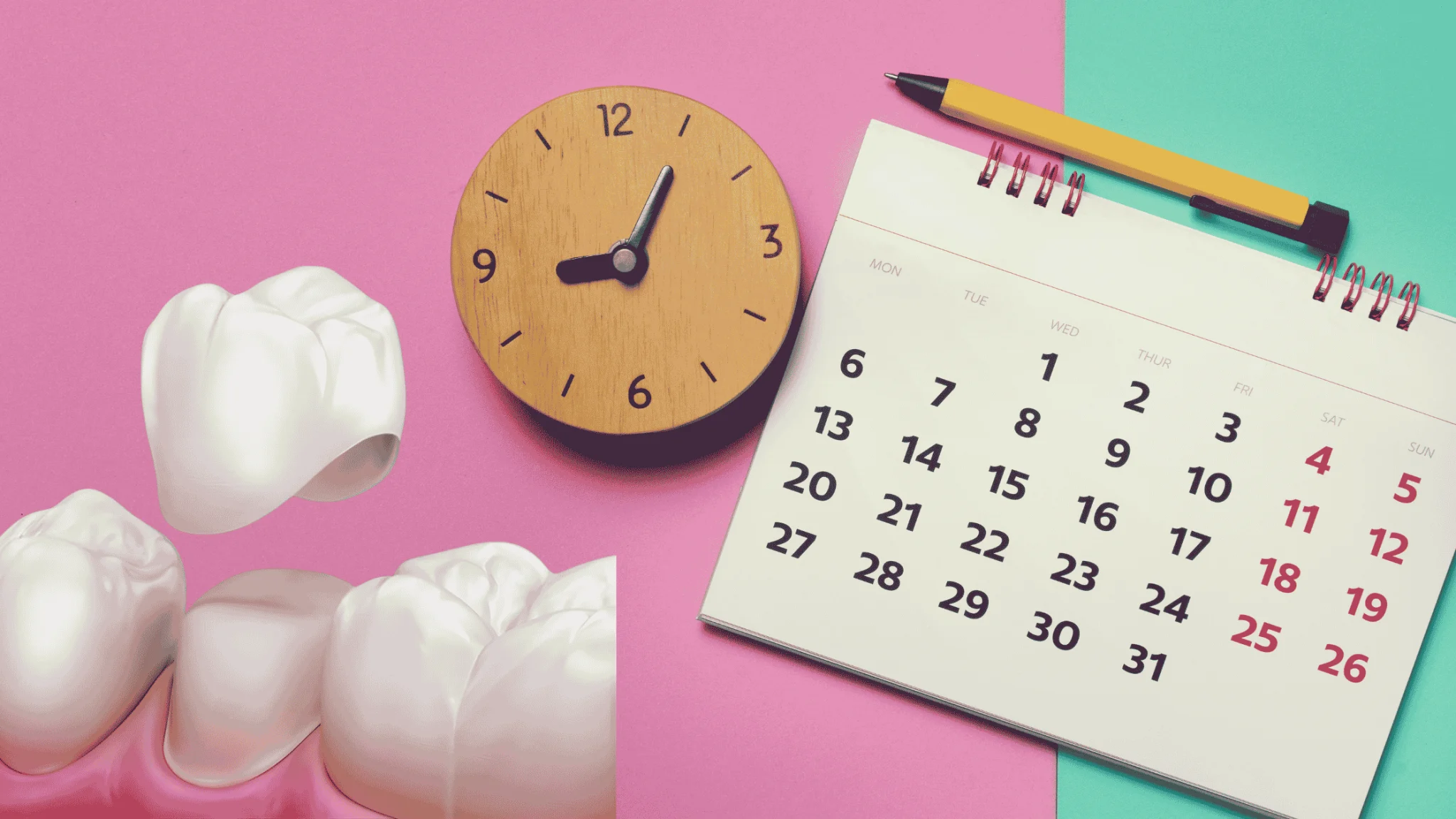
When your tooth needs a crown, you want a fix that lasts and fits your schedule. You can choose between same-day crowns vs traditional crowns, as each option works in a different way.
The right choice depends on your tooth, your budget, and how much time you can spend at the dentist.
Same-day crowns offer speed and convenience, while traditional crowns may provide more material options and added strength for complex cases.
Both can last many years with proper care, but they differ in how dentists make them, how long the process takes, and which situations they handle best.
If you want to protect your smile and avoid problems later, you need clear facts about pros, cons, and long-term results. Knowing what to expect helps you feel confident before you sit in the dental chair.
Key Takeaways
- Same-day crowns save time, while traditional crowns involve multiple visits and a lab process.
- Material choice affects strength, appearance, and how long the crown may last.
- Your tooth condition, budget, and schedule help determine the best option for you.
Key Differences Between Same-Day Crowns and Traditional Crowns
Same-day crowns and traditional crowns restore damaged teeth, but they differ in time, tools, and steps. You will notice clear changes in how many visits you need, how the crown gets made, and whether you wear a temporary crown.
Procedure Timeline
A same-day crown finishes in one dental appointment. Your dentist prepares the tooth, takes a digital impression, designs the crown on a computer, and places the permanent crown before you leave. The full visit often lasts one to two hours.
A traditional crown takes two or more visits. At the first visit, your dentist shapes the tooth and sends an impression to a dental laboratory.
A dental technician then creates a lab-fabricated crown over one to three weeks. You return for a second visit so your dentist can place the final crown.
If you want fewer appointments and faster results, a same-day option may fit your schedule better.
Technology Used
Same-day crowns rely on modern technology, such as digital scanning and in-office milling. Your dentist uses digital impressions instead of messy trays.
A system like CEREC, which stands for chairside economical restoration of esthetic ceramics, designs and mills the crown in the office using an in-office milling machine.
Traditional crowns depend on a dental laboratory. Your dentist sends a physical or digital impression to a lab, where a dental technician builds the crown by hand or with lab equipment.
These lab-made crowns may allow for more detailed layering in complex cases.
Temporary vs Permanent Crowns
With a same-day crown, you skip the temporary crown. Your dentist places the permanent crown at the same visit. You leave the office with your final dental restoration already bonded in place.
With a traditional crown, you wear a temporary crown while the lab makes the permanent crown. Temporary crowns protect your tooth, but they can loosen or feel sensitive.
You may need to avoid sticky or hard foods during this time.
When you return, your dentist removes the temporary crown and bonds the permanent crown. Some patients prefer same-day treatment because it removes the temporary phase and reduces the risk of delays or extra visits.
Materials Used and Customization
The material your dentist uses affects how your crown looks, feels, and lasts. Some options focus on speed and convenience, while others allow more detailed shaping and color matching.
Crown Materials for Same-Day Crowns
Same-day dental crowns are usually made from solid blocks of ceramic. A computer-guided milling machine shapes the crown in the office during your visit.
Many dentists use materials like lithium disilicate or high-strength ceramic. These materials offer a good balance of strength and appearance. You often get a natural tooth color without metal underneath.
Most same-day systems do not use porcelain-fused-to-metal or traditional metal crowns. The process works best with ceramic because the machine can mill it quickly and accurately.
Some offices now offer zirconia crowns for same-day treatment, but not all machines can shape zirconia in one visit. Zirconia is very strong and works well for back teeth that handle heavy chewing.
If you want fewer visits and no temporary crown, ceramic same-day crowns give you that option. You trade some material variety for speed and convenience.
Crown Materials for Traditional Crowns
Traditional crowns come from a dental lab, which gives you more choices in crown materials. Your dentist takes an impression, and a lab technician builds the crown over several days.
You can choose from:
- Porcelain-fused-to-metal (PFM)
- Full ceramic crowns
- Full zirconia
- Gold or other metal crowns
Metal crowns and zirconia crowns work well for molars because they resist wear and pressure. Porcelain-fused-to-metal crowns add a tooth-colored layer on top of a strong metal base.
Lab-made crowns often allow more detailed shaping. Traditional crowns often use metal or porcelain and offer strong durability.
Because a lab handles the work, your dentist can request small design changes before final placement.
Aesthetic Options and Custom Shading
If you care most about appearance, material choice matters. Ceramic and lithium disilicate crowns reflect light in a way that looks similar to natural enamel.
A dental lab can layer porcelain by hand. This helps match tiny details like small stains, grooves, and color shifts. You often get more control over shade with lab-made crowns.
Same-day ceramic crowns still look natural. Digital scans help your dentist design a crown that fits your bite and tooth shape.
Both types can last many years with good care. In fact, many crowns last 10–15 years or longer. If your front tooth needs exact color blending, a lab-made option may give you finer shading.
If you want a fast and natural-looking fix, a ceramic crown made the same day may meet your needs.
Durability, Longevity, and Strength
When you choose a dental crown, you want it to handle daily chewing and last for many years. The material, tooth location, and your habits all affect how well same-day crowns and traditional crowns perform over time.
Chewing Forces and Wear
Your back teeth handle the strongest chewing forces. Molars can take on over 150 pounds of pressure when you bite down.
Traditional crowns often use metal crowns or porcelain fused to metal. These materials have a long record of strength. They resist cracking and handle heavy grinding well.
Same-day crowns usually use solid ceramic blocks, often made from ceramic crowns like lithium disilicate or zirconia crowns. Modern zirconia is very strong and works well for many back teeth.
However, some ceramics may chip under extreme pressure, especially if you grind your teeth.
If you clench or grind at night, your dentist may suggest a night guard. This helps protect both same-day and traditional crowns from early wear.
Expected Lifespan of Crowns
Most dental crowns last 10 to 15 years with good care. Some last longer.
Traditional crowns made with metal or porcelain fused to metal have a long history of durability. Many patients keep them for 15 years or more when they brush, floss, and visit the dentist regularly.
Same-day crowns can also last many years. Their lifespan depends on the ceramic used and how well the crown fits your bite. Good oral hygiene, avoiding hard foods like ice, and managing grinding habits can add years to your crown.
Suitability for Back vs Front Teeth
You need different strengths for front and back teeth. Front teeth focus more on appearance and lighter biting. Back teeth focus on force.
Same-day crowns work well for many front teeth because ceramic materials match your natural tooth color closely. Digital design also helps create a smooth, natural shape in one visit.
Traditional crowns may be a better choice for some back teeth, especially if you need extra strength.
Your dentist will look at your bite, tooth position, and habits. That helps you choose the crown that fits your needs, not just your schedule.
Cost, Insurance, and Convenience
You want clear numbers, honest insurance details, and a realistic idea of how many dental appointments you will need.
Cost and convenience often matter just as much as strength or appearance when you choose between same day crowns and a lab-fabricated crown.

Initial and Long-Term Crown Costs
Your crown cost depends more on the material than on how the dentist makes it. In most offices, both options fall between $1,000 and $2,500 per tooth, based on 2026 industry data.
Zirconia and lithium disilicate crowns usually cost more than resin or porcelain-fused-to-metal. A same day crown does not always cost extra just because it uses in-office technology.
Long-term cost depends on how long your crown lasts. Both types often last 10–15 years or longer with good care.
If you grind your teeth or skip cleanings, you may face repairs or replacement sooner, which increases your total cost over time.
Insurance Coverage and Payment Factors
Most dental plans cover crowns when they are medically necessary. Insurance usually pays a percentage of the approved fee, often 50% after your deductible, up to your yearly maximum.
Plans typically treat same day crowns and lab-fabricated crowns the same because they serve the same purpose.
You still need to check:
- Your annual maximum
- Waiting periods
- Missing tooth clauses
- In-network vs out-of-network fees
If your yearly limit is $1,500 and your crown cost is $1,800, you pay the difference. Payment plans or financing can help spread out that expense.
Visit Frequency and Lifestyle Impact
A same day crown usually takes one dental appointment that lasts one to two hours. You leave with your final crown in place and skip the temporary crown.
A traditional lab-fabricated crown requires at least two visits. At the first visit, your dentist prepares the tooth and places a temporary crown. You return one to three weeks later for the final cementation.
Fewer visits can mean:
- Less time off work
- No second copay in some offices
- No risk of a temporary crown falling off
If you have a busy schedule, travel often, or feel anxious about dental visits, one appointment can make a real difference in your daily life.
Ideal Candidates and Clinical Considerations
Your tooth condition, bite force, and cosmetic goals help decide which type of crown fits you best. The choice also depends on how much tooth structure remains and whether you can return for more than one visit.
When to Choose Same-Day Crowns
You may benefit from a same day crown if you want treatment finished in one visit. Dentists design and mill many CEREC crowns in the office, so you leave with a permanent dental restoration the same day.
This option works well when:
- You have a cracked or decayed tooth that needs full coverage but is not severely damaged
- You want to avoid wearing a temporary restoration
- You have a busy schedule and prefer fewer appointments
Same day crowns often use ceramic or zirconia. They suit many front and back teeth when your bite is stable and you do not grind heavily.
Longevity depends more on your oral hygiene and bite forces than on how the crown was made. If you brush, floss, and attend checkups, your same day crown can last many years.
Visit Raleigh Dental Arts in Raleigh, NC, to find out which crown type is right for your tooth.
When to Choose Traditional Crowns
You may need a traditional crown when your case is complex. Lab-made crowns allow for more material options, including layered porcelain, porcelain-fused-to-metal, or full-cast gold.
Traditional crowns often work better when:
- You have heavy bite forces or grinding habits
- The tooth has large structural damage
- You need detailed color matching for a front tooth
- You are restoring multiple teeth at once
A lab technician can customize shape and shade in ways that chairside systems may not match for very detailed cases.
Traditional crowns require at least two visits and a temporary crown in between. That extra step can improve planning in complicated cases.
Contraindications and Limitations
Not every patient qualifies for same day crowns. Limited mouth opening, poor moisture control, or deep gum margins can reduce scan accuracy. In these cases, digital impressions may not capture clear margins.
Severe teeth grinding can also stress ceramic materials. While zirconia is strong, extreme bite forces may still increase fracture risk over time.
Traditional crowns also have limits. A temporary restoration can loosen or break before your final crown arrives. Multiple visits may delay care if scheduling becomes difficult.
Both options require healthy gums and enough remaining tooth structure for support. If decay extends below the gumline or the tooth cannot support a crown, you may need additional treatment before placing any dental restoration.
Recent Advancements and the Future of Dental Crowns
Dental crown treatment now relies on faster software, stronger ceramics, and precise digital tools. You can expect shorter visits, better fit, and materials that look more natural than older options.
CAD/CAM Technology Innovations
Modern CAD/CAM technology lets your dentist design and create a crown during one visit. A small digital scanning wand captures a 3D image of your tooth in minutes. You avoid messy impression trays and long lab waits.
The software maps your bite and tooth shape on screen. Your dentist adjusts the design in real time. This helps improve contact points and alignment before the crown is made.
With in-office milling, a machine carves the crown from a solid ceramic block while you wait. Many practices use systems like CEREC.
Key improvements include:
- Faster processing speeds
- More detailed digital scanning
- Better margin accuracy
- Stronger milling units
These updates reduce errors and lower the chance you will need adjustments later.
Evolving Crown Materials
Crown materials have changed a lot in the past decade. You now have access to stronger and more natural-looking ceramics.
Zirconia remains one of the most common choices. New multi-layer zirconia blocks blend shades from top to bottom, which helps the crown match your natural tooth color.
Lithium disilicate, often called e.max, offers high strength and good esthetics for front teeth. Dentists also use hybrid ceramics in moderate bite areas.
New materials focus on three main goals:
- Strength under bite pressure
- Natural color and light reflection
- Safe bonding to your tooth
Growth of Digital Dentistry
Digital dentistry now shapes how your dentist plans and delivers crown treatment. Digital scanning replaces most physical impressions. You see your tooth model on a screen right away.
Dentists store digital files, which makes it easier to remake a crown if needed. Some offices connect scans directly to design software and milling units in one workflow.
The global market for dental CAD/CAM systems continues to grow. This trend reflects wider adoption of digital tools in everyday practice.
You may also hear about 3D printing. Dentists already use it for models, surgical guides, and temporary crowns. Permanent printed crowns are improving, but most same-day restorations still rely on CAD/CAM milling for long-term strength.
As these tools improve, you benefit from a more precise fit, fewer appointments, and clearer treatment planning.
Frequently Asked Questions
You likely care about time, cost, comfort, and how long your crown will last. These answers explain how the two options differ in process, materials, durability, and who benefits most from each one.
What are the main differences between a same-day crown and a traditional crown?
A same-day crown is designed, made, and placed in one visit. Your dentist scans your tooth, designs the crown on a computer, and mills it in the office using CAD/CAM technology.
A traditional crown takes two or more visits. Your dentist prepares the tooth, places a temporary crown, and sends an impression to a dental lab. You return weeks later for the final crown.
You skip the temporary crown with same-day treatment. With traditional treatment, you wear a temporary crown until the lab finishes the final one.
Are same-day crowns as durable and long-lasting as traditional crowns?
In many cases, yes. Same-day crowns often use strong materials like zirconia or lithium disilicate, which perform well in both front and back teeth.
Traditional crowns also use durable materials, including porcelain-fused-to-metal and gold. These have a long track record, especially for molars under heavy bite pressure.
When your dentist selects the right material and places the crown correctly, both types can last 10 to 15 years or longer. Your bite, oral hygiene, and grinding habits matter more than the manufacturing method.
What are the most common disadvantages or downsides of same-day crowns?
Same-day crowns require special equipment and training. Not every dental office offers this option.
Material choices may be more limited in-office compared to a full-service lab. For example, full-cast gold and some layered porcelain designs are usually lab-made.
Complex cosmetic cases may need custom shading and layering that a lab technician can provide. In those cases, a traditional crown may offer better esthetic control.
Do same-day crowns cost more than traditional crowns, and why?
In many offices, the cost falls in a similar range. The price often depends more on the material than on how the crown is made.
Same-day systems require a major investment in digital scanners and milling units. Some practices factor that cost into their fees.
Traditional crowns include lab fees, which also add to the total. Your insurance usually covers crowns based on medical need, not whether the crown is made in one visit or two.
Who is a good candidate for a same-day crown, and who might need a traditional crown instead?
You may be a good candidate for a same-day crown if you have a cracked tooth, large filling, or root canal tooth that needs fast protection. Busy schedules also make one-visit treatment appealing.
You might need a traditional crown if you require complex cosmetic work on a front tooth. Cases that involve heavy grinding or full-mouth reconstruction may also benefit from lab fabrication.
Your dentist will assess your bite, tooth position, and esthetic goals before recommending one option over the other. The choice depends on your clinical needs, not just convenience.
How long should I expect a crown to last, and what affects its longevity?
Most crowns last 10 to 15 years, and many last longer. Some fail earlier due to decay under the crown, fracture, or heavy grinding.
You can extend the life of your crown by brushing twice a day and flossing daily. Regular dental visits allow your dentist to check the margins and catch small issues early.
Clenching, grinding, and poor oral hygiene shorten a crown’s lifespan. Wearing a night guard and maintaining clean gums help protect your investment.


