
Many people wonder if they need to choose between fixing missing teeth and improving the look of their existing teeth.
The good news is that you don’t have to pick just one.
You can combine dental implants and veneers together to address both missing teeth and cosmetic concerns at the same time.
When you have gaps in your smile along with teeth that are stained, chipped, or uneven, combining dental implants with veneers offers a complete solution.
Implants replace the teeth you’ve lost, while veneers improve the appearance of your natural teeth.
Your dentist can plan both treatments together so everything matches in color, shape, and size for a natural-looking result.
The process does take some planning and time. Implants need several months to heal before your dentist can add the final touches with veneers.
But having dental implants alongside veneers means you can tackle multiple dental issues in one coordinated approach rather than waiting years between separate treatments.
Key Takeaways
- Dental implants and veneers work together to replace missing teeth and enhance your natural teeth in one treatment plan
- Treatment requires careful timing, with implants healing first before veneers are designed to match
- Good oral hygiene and regular dental visits help your implants and veneers last for many years
Can You Combine Dental Implants and Veneers in One Treatment Plan?
Yes, you can absolutely combine veneers and implants in a single treatment plan to address both missing teeth and cosmetic concerns.
This cosmetic dentistry approach allows you to replace missing teeth while improving the appearance of your existing natural teeth at the same time.
How Veneers and Implants Work Together
When you combine dental implants and veneers for a full smile makeover, each treatment serves a different purpose in your smile transformation.
Dental implants replace missing teeth by acting as artificial tooth roots that support crowns or bridges. Veneers cover the front surface of your existing natural teeth to fix issues like discoloration, chips, or minor misalignment.
Your dentist can plan both treatments together to create a uniform appearance across your entire smile. The implant crowns and veneers are color-matched to blend seamlessly.
This coordinated approach ensures that your new teeth and enhanced natural teeth look like they belong together.
Treatment benefits include:
- Restored the ability to chew and speak properly
- Improved tooth color and shape consistency
- Prevention of bone loss in your jaw
- Long-lasting results with proper care
Ideal Candidates for Combined Treatment
You might be a good candidate for combining veneers and implants in one smile makeover if you have both missing teeth and cosmetic issues with your remaining natural teeth.
Your jawbone needs to be healthy enough to support implants, and your natural teeth should be free of decay or gum disease.
Good candidates typically have one or more gaps from tooth loss alongside teeth that are stained, worn down, or slightly crooked.
You should also have realistic expectations about the treatment timeline and be committed to good oral hygiene.
Key requirements:
- Adequate jawbone density for implant placement
- Healthy gums and remaining teeth
- Non-smoker or willing to quit during treatment
- Good overall health for surgery
Common Smile Makeover Scenarios
Many patients seek veneers and dental implants to fix multiple dental problems at once.
A common scenario involves replacing one or two missing front teeth with implants while placing veneers on the surrounding natural teeth to create a consistent smile line.
Another frequent situation occurs when you have badly stained or damaged teeth next to gaps from tooth loss. The implants fill the gaps while veneers improve the color and shape of the teeth beside them.
Age-related dental wear often creates the need for both treatments. As you get older, you might lose some teeth while others become worn, chipped, or discolored.
A full smile makeover addresses both issues together, giving you back a youthful appearance and full function.
Understanding Dental Implants: Function and Benefits
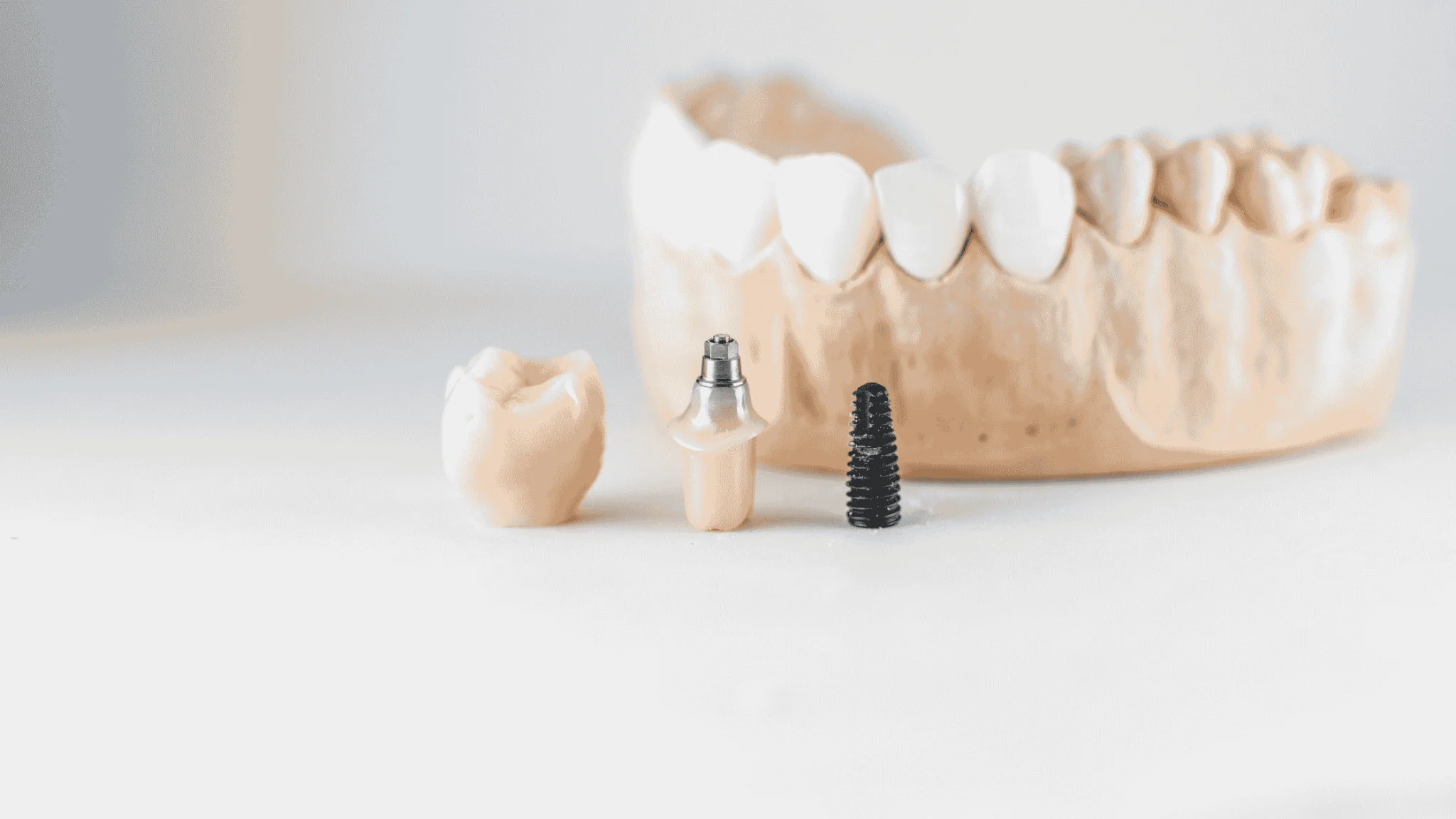
Dental implants serve as permanent tooth replacements that work like natural teeth. They consist of a titanium post that acts as an artificial tooth root, topped with a custom crown that looks and functions like your original tooth.
What Are Dental Implants?
A dental implant is a small titanium post that your dentist surgically places into your jawbone. This post acts as an artificial tooth root that holds a replacement tooth in place.
The titanium material is biocompatible, which means your body accepts it without rejection.
Dental implants replace missing teeth in a way that looks natural. Unlike dentures or bridges, implants don’t rely on neighboring teeth for support.
Each implant stands on its own, which helps protect your other healthy teeth from damage.
The implant itself has three main parts. The titanium post goes into your jawbone. An abutment connects to the top of the post. The implant crown sits on top of the abutment and acts as your visible replacement tooth.
Implant Placement and Healing Process
Implant placement requires a surgical procedure where your dentist places the titanium post into your jawbone. The procedure is done with local anesthesia to keep you comfortable.
Your dentist makes a small opening in your gum tissue to access the bone underneath.
After placement, your jawbone needs time to heal and fuse with the implant. This process is called osseointegration. It typically takes three to six months for complete healing.
During osseointegration, your bone cells grow around the titanium post. This creates a strong bond that makes the implant as stable as a natural tooth root.
The implant healing period is crucial because it determines how well your implant will last.
Implant Crowns and Restoring Function
Once osseointegration is complete, your dentist attaches an implant crown to the top of the post. This crown is custom-made to match your natural teeth in color, shape, and size. The crown restoration completes your treatment.
Implant crowns restore function by letting you chew and speak normally. You can eat all your favorite foods without worry. The crown also prevents your jawbone from shrinking, which happens when teeth are missing.
Your new implant works just like a natural tooth. You brush and floss it the same way. With proper care, dental implants can last for decades or even a lifetime.
Understanding Veneers: Types and Transformative Power
Veneers are thin shells that cover your teeth to improve their appearance, and they come in different materials with unique preparation and bonding processes.
Understanding these differences helps you make informed decisions about your dental treatment.
What Are Veneers?
Veneers are ultra-thin coverings that dentists place over the front surface of your teeth. They typically measure between 0.5 to 0.7 millimeters thick, about the width of a contact lens.
These dental shells fix several cosmetic issues at once. You can use them to correct discolored teeth that don’t respond to whitening treatments. They also reshape chipped or cracked teeth and close small gaps between teeth.
Veneers work best on your front teeth where appearance matters most. Your natural tooth structure stays mostly intact during the process. The shells blend with your surrounding teeth to create a natural-looking smile.
Porcelain vs. Composite Veneers
Porcelain veneers offer the most natural appearance and durability. They resist staining better than your natural teeth and can last 10 to 15 years with proper care. The material reflects light similar to natural tooth enamel.
These veneers cost more upfront but provide long-term value. They require at least two dental visits and a lab fabrication period.
Composite veneers use tooth-colored resin material applied directly to your teeth. Your dentist can often complete the entire process in one visit. They cost less than porcelain options, making them more budget-friendly.
The trade-off is durability. Composite veneers typically last 5 to 7 years and stain more easily than porcelain. They’re easier to repair if damaged, which can extend their useful life.
| Feature | Porcelain | Composite |
| Lifespan | 10-15 years | 5-7 years |
| Stain Resistance | Excellent | Moderate |
| Cost | Higher | Lower |
| Visits Required | 2-3 | 1-2 |
The Veneer Preparation Process
Your dentist removes a thin layer of enamel from your tooth surface during preparation. This removal typically ranges from 0.5 to 0.7 millimeters. The process creates room for the veneer without making your tooth look bulky.
You’ll receive local anesthesia to keep you comfortable during enamel removal. Your dentist then takes impressions of your prepared teeth. These molds help create veneers that fit your teeth perfectly.
Temporary veneers protect your teeth while the lab makes your permanent ones. This waiting period usually lasts two to three weeks. The temporary covers keep your teeth from becoming sensitive to temperature changes.
Veneer Bonding and Longevity
The bonding process starts with cleaning and etching your tooth surface. Your dentist applies a special cement to the veneer and carefully positions it on your tooth. A curing light hardens the adhesive in seconds.
Final adjustments ensure your bite feels comfortable and natural. Your dentist removes excess cement and polishes the veneer. The entire bonding appointment typically takes one to two hours for multiple teeth.
Proper care extends veneer longevity significantly. You should brush twice daily and floss regularly to maintain them. Avoid biting hard objects like ice or using your teeth to open packages.
Regular dental checkups let your dentist monitor your veneers’ condition. Most people keep their porcelain veneers for over a decade with good oral hygiene habits.
Comprehensive Treatment Planning for a Harmonious Smile
A full smile makeover with both implants and veneers requires careful planning to ensure all treatments work together seamlessly.
Your cosmetic dentist will use advanced technology and detailed assessments to design a treatment plan that addresses your unique needs.
Dental Assessment and Digital Smile Design
Your journey begins with a thorough dental assessment. Your implant dentist will examine your teeth, gums, and jawbone using X-rays and 3D scans. These images show the exact condition of your mouth and help determine where implants are needed.
Many practices now use Digital Smile Design (DSD) technology. This system creates a virtual preview of your new smile before any work begins.
You can see how your teeth will look after treatment and make changes to the design. DSD helps you and your dentist communicate clearly about your goals.
The assessment also includes checking your bite, jaw alignment, and facial proportions. Your dentist measures things like tooth length, width, and how much of your teeth show when you smile.
Sequencing Implants and Veneers
The order of treatments matters for success. Dental implants always come first because they need time to heal and fuse with your jawbone. This process typically takes three to six months.
During the healing period, your dentist may place temporary teeth so you don’t have gaps in your smile. Once the implants are fully healed, permanent crowns are attached to match the planned design.
Veneers are usually placed after the implants are complete. This allows your dentist to match the veneers to the implant crowns perfectly.
The entire process requires careful coordination between different procedures to achieve a unified appearance.
Personalized Smile Design Considerations
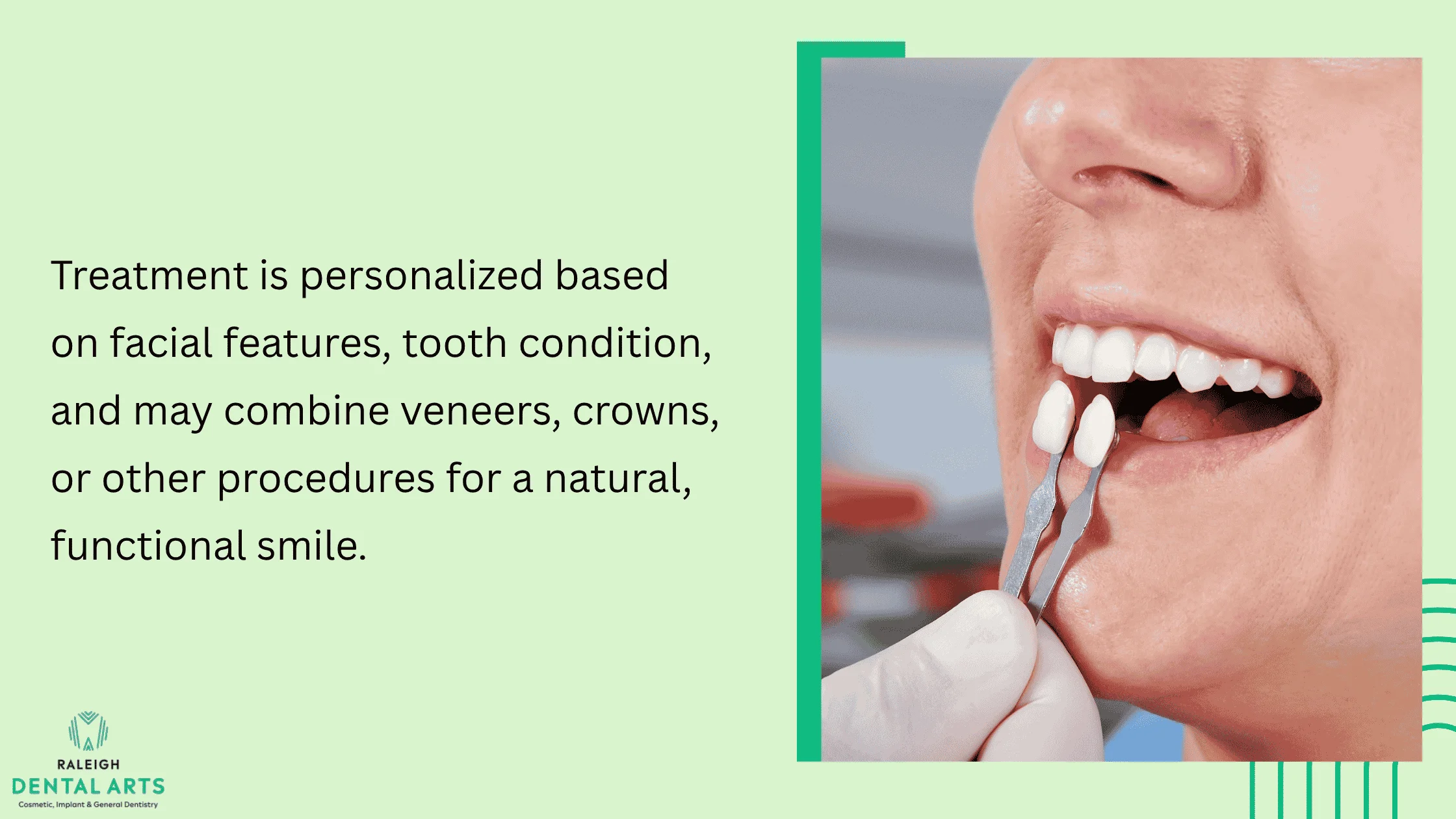
Your treatment plan should reflect your individual features and preferences. Your dentist considers your face shape, skin tone, and natural tooth color when designing your new smile.
The plan also accounts for how much tooth structure you have left. Some teeth may need veneers, while others might need crowns. Your dentist evaluates each tooth separately to determine the best approach.
A full-mouth rehabilitation might combine multiple treatments into one coordinated plan. This ensures that all elements work together for a harmonious smile that looks natural and functions properly.
Key Considerations, Risks, and Long-Term Success
Combining dental implants and veneers requires careful planning to address your jawbone health, gum condition, and commitment to proper care.
Understanding potential risks and what affects long-term success helps you prepare for the best possible outcome.
Jawbone Density and Bone Grafting
Your jawbone needs enough density and volume to support dental implants properly. When you’ve been missing teeth for a while, the bone in that area can shrink and weaken.
This happens because the bone isn’t being stimulated as it would be with natural tooth roots.
Your dentist will take X-rays or 3D scans to check if your jawbone is strong enough. If the bone is too thin or weak, you’ll likely need bone grafting before getting implants.
This procedure adds bone material to build up the area.
Bone grafting takes time to heal, usually three to six months. The grafted bone needs to fuse with your existing bone before implants can be placed.
While this extends your treatment timeline, it creates the solid foundation your implants need to last for years.
Gum Health and Disease Prevention
Healthy gums are essential for both implants and veneers to succeed. Gum disease can cause implants to fail and damage the teeth where veneers are placed. Before starting treatment, your dentist needs to treat any existing gum problems.
Active gum disease creates inflammation and infection that weakens the tissues supporting your teeth and implants. This can lead to bone loss around implants or decay under veneers.
You’ll need to have healthy gums before any cosmetic work begins.
Signs of gum disease include:
- Red, swollen, or bleeding gums
- Persistent bad breath
- Receding gumline
- Loose teeth
Preventing gum disease after treatment protects your investment. Regular professional cleanings remove plaque and tartar that your brushing might miss.
Implant Failure and Maintenance
Implant failure can happen, though it’s relatively uncommon when placed correctly. Early failure usually occurs within the first few months if the implant doesn’t properly fuse with your jawbone.
Late failure can happen years later due to infection or bone loss.
Several factors increase your risk of implant failure. Smoking significantly reduces success rates because it slows healing and reduces blood flow.
Uncontrolled diabetes also affects how well your body heals around the implant.
An infection called peri-implantitis is a leading cause of late implant failure. This condition is similar to gum disease but affects the tissue around implants. It develops when bacteria accumulate around the implant, causing inflammation and bone loss.
Proper maintenance reduces these risks considerably. Your implants need the same attention as natural teeth, with careful cleaning around the crown and at the gumline.
Oral Hygiene and Dental Check-Ups
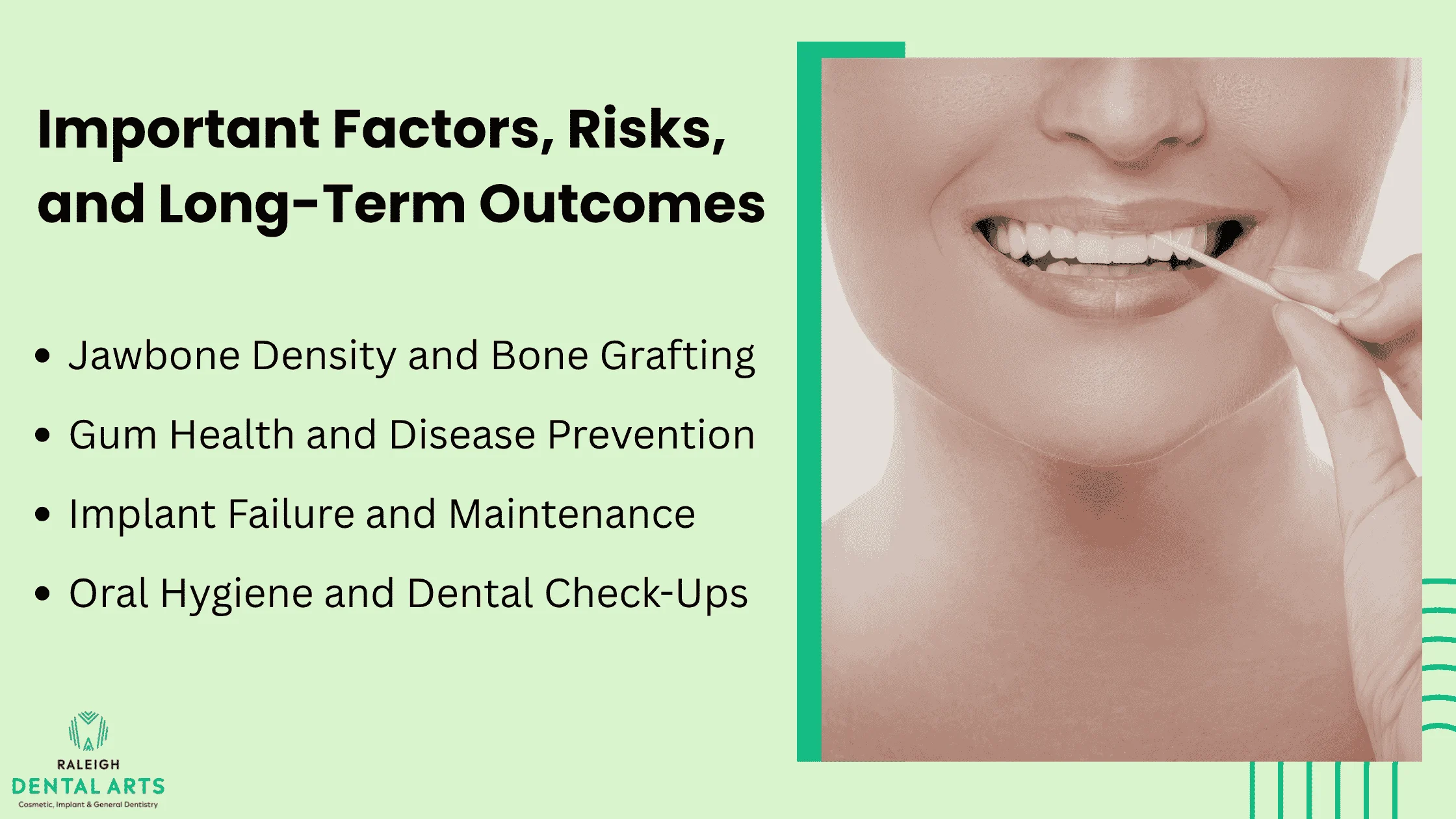
Daily oral hygiene determines how long your implants and veneers last. You need to brush at least twice daily and floss around both your implants and veneered teeth. Food particles and bacteria can still accumulate, leading to problems.
Special tools make cleaning easier. Water flossers work well around implants, and interdental brushes help clean hard-to-reach spots. Your dentist can show you the best techniques for your specific situation.
Professional dental check-ups should happen every six months at a minimum. These visits let your dentist check for early signs of problems before they become serious.
They’ll examine the implants for stability, check your gum health, and inspect veneers for any damage.
During check-ups, professional cleanings remove buildup that regular brushing can’t eliminate. Your hygienist uses special tools that won’t scratch or damage your veneers while thoroughly cleaning around your implants.
Aftercare and Maintaining Your New Smile
Taking care of both veneers and implants requires consistent effort and attention to detail. Good oral hygiene habits and regular professional visits will help your dental work last for many years.
Daily Care for Veneers and Implants
Your daily oral hygiene routine is the foundation for keeping your veneers and implants in great shape. Brush your teeth at least twice a day using a soft-bristled toothbrush and non-abrasive toothpaste.
Hard bristles or rough toothpaste can scratch the surface of your veneers over time.
Flossing is just as important for both veneers and implants. You need to floss once daily to remove food particles and plaque from between your teeth and around your implants.
Consider using a water flosser to clean hard-to-reach areas around your implants without irritating your gums.
Use an antimicrobial mouthwash to rinse your mouth after brushing and flossing. This helps reduce bacteria that can cause gum disease around your implants.
Proper oral hygiene practices including brushing, flossing, and rinsing are essential steps in your daily routine.
Protecting Your Smile Investment

Schedule dental check-ups every six months so your dentist can monitor your veneers and implants. These visits allow your dental team to catch any potential problems early and perform professional cleanings that you can’t do at home.
Avoid habits that can damage your dental work. Don’t chew on ice, hard candy, or other tough objects. If you grind your teeth at night, ask your dentist about getting a custom night guard to protect both your veneers and implants.
Be mindful of what you eat and drink. While your veneers are stain-resistant, they aren’t stain-proof. Limit foods and beverages that cause discoloration like coffee, red wine, and dark berries.
Never use your teeth as tools to open packages or bottles, as this can chip your veneers or damage your implants.
Frequently Asked Questions
Many patients wonder about their eligibility for combined treatments, the sequence of procedures, timeline expectations, and cost considerations.
Health conditions and the longevity of results are also common concerns when planning this type of smile makeover.
Am I a good candidate for getting implants and veneers as part of the same smile makeover?
You’re likely a good candidate if you have some missing teeth that need replacement and other teeth that have cosmetic issues like discoloration or chips.
Your dentist will evaluate your oral health, jawbone density, and gum condition during your consultation.
Good candidates typically have healthy gums and enough bone structure to support implants. If you have gum disease or insufficient bone, you may need treatment first before moving forward.
Your overall health matters too. Conditions like uncontrolled diabetes can affect healing, but many health issues can be managed with your dentist’s guidance.
Which should be done first—dental implants or veneers—and why does the order matter?
Dental implants should be placed before veneers in almost all cases. The implant needs several months to fuse with your jawbone through a process called osseointegration.
During this healing period, your dentist can plan the veneer design to match the final implant crown. This ensures all your teeth look uniform and natural together.
If veneers were placed first, they might need replacement or adjustment after implants heal. The implant healing process can cause slight changes in your bite and gum line that affect how veneers should be shaped.
How long does it usually take to complete a plan that includes both implants and veneers?
The complete treatment process typically takes four to six months from start to finish. The implant placement happens first, followed by a healing period of three to six months.
Once the implants have properly fused with your jawbone, your dentist will prepare your teeth for veneers. The veneer process itself usually takes two to three weeks from preparation to final placement.
Some cases may take longer if you need bone grafting or gum treatment before implant placement. Your dentist will give you a personalized timeline based on your specific needs.
What does the cost typically look like when combining implants and veneers compared to doing them separately?
Combining both treatments in one comprehensive plan often costs less than doing them separately at different times. You may save on consultation fees, diagnostic imaging, and lab work when treatments are coordinated together.
A single dental implant typically costs between $3,000 and $5,000. Porcelain veneers usually range from $1,000 to $2,500 per tooth.
Many dental offices offer payment plans or financing options for comprehensive smile makeovers. Some insurance plans may cover part of the implant cost if the tooth loss was due to injury or disease.
How long do veneers last, and will having an implant nearby affect their lifespan?
Veneers typically last 10 to 15 years with proper care. Having a dental implant next to a veneer doesn’t negatively impact the veneer’s lifespan.
In fact, implants can help preserve bone structure in your jaw, which supports the overall health of surrounding teeth. This preservation can actually benefit your veneers by maintaining a stable foundation.
You’ll need to maintain good oral hygiene and avoid habits like grinding your teeth or chewing hard objects. Regular dental checkups help ensure both your veneers and implants stay in good condition.
Can certain health conditions, like autoimmune diseases, impact eligibility or healing for implants when veneers are also planned?
Autoimmune diseases can affect your eligibility for dental implants because they may slow down healing or increase infection risk. Conditions like rheumatoid arthritis, lupus, or Sjögren’s syndrome require special consideration.
Your dentist will work with your medical doctor to evaluate whether implant surgery is safe for you. Some patients with autoimmune conditions successfully receive implants with proper management and monitoring.
Medications you take for autoimmune diseases also play a role in the decision. Immunosuppressants and certain other medications can affect bone healing and infection resistance, but adjustments to your treatment plan may make implants possible.