
Getting all-on-4 dental implants changes your smile and restores your ability to bite and chew. But what does eating actually feel like after the procedure?
Many patients wonder if they’ll be eating with All-on-4 implants to enjoy their favorite foods again or if they’ll face permanent restrictions.
Most people can return to eating normally between 3 and 6 months after All-on-4 surgery, though you’ll need to follow a gradual diet plan during the healing process.
The first few weeks require soft foods and liquids while your implants fuse with your jawbone. After that, you can slowly add more variety to your meals.
Understanding what changes during recovery and what stays the same long-term helps you plan and feel confident about your All-on-4 eating experience.
Some adjustments are temporary, while others become part of your new routine. Knowing the difference makes the transition smoother and protects your investment in your oral health.
Key Takeaways
- You’ll follow a liquid diet for the first few days, then gradually add soft and semi-solid foods over several weeks
- Most patients can eat normally again within 3 to 6 months once the implants fully integrate with the jawbone
- Even after healing, you should avoid extremely hard or sticky foods to protect your prosthesis and maintain long-term comfort
What Are All-on-4 Implants and How Do They Work?
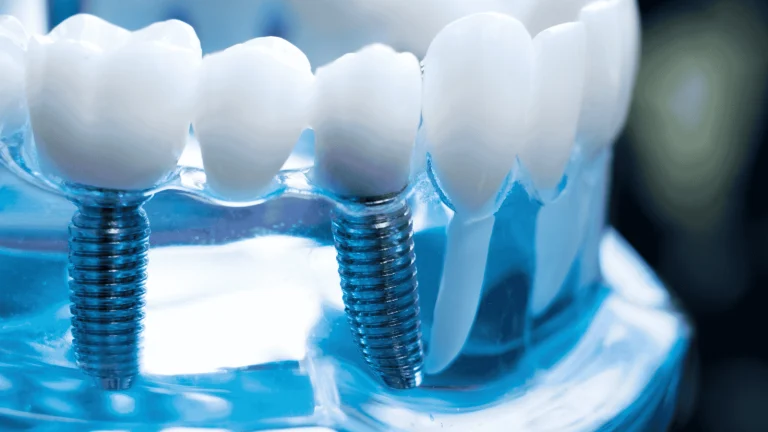
All-on-4 dental implants are a full-arch restoration technique that uses just four strategically placed implants to support a complete set of replacement teeth.
This approach differs from traditional methods by requiring fewer implants while still providing stability and function similar to natural teeth.
All-on-4 vs. Traditional Dental Implants
Traditional dental implants typically require one implant for each missing tooth. If you’re missing an entire arch, this could mean placing eight to ten individual implants in your jaw.
All-on-4 implants replace a full arch of teeth using just four titanium posts. Two implants are placed vertically in the front of your jaw where the bone is naturally denser.
The back two implants are angled up to 45 degrees to maximize contact with available bone and avoid sensitive areas like sinuses.
This angled placement is what makes the All-on-4 approach so effective. You get a stable foundation without needing bone grafts in most cases.
The procedure is also less invasive and typically costs less than placing individual implants for every tooth.
The Full-Arch Restoration Process
Your dentist will first evaluate your jawbone and oral health to determine if you’re a good candidate. During the surgical procedure, four titanium implants are placed into your jawbone at precise angles and positions.
A temporary prosthesis is often attached the same day, so you don’t leave without teeth. This temporary set allows you to eat soft foods while your implants integrate with the bone over the next few months.
The titanium implants stimulate the underlying jawbone during this healing period.
After about three to six months, once osseointegration is complete, your dentist replaces the temporary prosthesis with your permanent full-arch restoration.
Benefits of All-on-4 for Eating
Unlike removable dentures that can slip or cause discomfort, All-on-4 dental implants stay firmly in place. You won’t need to worry about adhesives or your teeth shifting while you’re eating.
The fixed nature of the prosthesis means you can bite and chew with much more confidence than traditional dentures allow. While you’ll need to be careful with extremely hard foods, you’ll regain the ability to enjoy a varied diet.
All-on-4 implants offer a stable, long-term option that feels and functions more like natural teeth.
Most patients find they can return to eating many of their favorite foods after the initial healing period, though some permanent dietary adjustments may be needed to protect the prosthesis.
Ready to eat comfortably again? Schedule your implant consultation near you in Raleigh today.
How Eating Changes Immediately After All-on-4 Surgery
Your eating habits will change significantly right after getting all-on-4 dental implants. The first few weeks require careful attention to what you consume and how you eat to protect your healing mouth.
The Liquid-Only Diet: First 48–72 Hours
You’ll need to stick to liquids only during the first two to three days after surgery. Your mouth will be swollen and sore, making it hard to chew anything at all.
Cold liquids work best during this time. Protein shakes, smoothies, milk, and broth are good choices. These drinks give you nutrients without putting any pressure on your new implants.
Avoid hot beverages like coffee or tea right after surgery. The heat can irritate your healing gums and cause more swelling. Room temperature or cool drinks are safer options.
Do not use straws during this period. The suction from drinking through a straw can dislodge blood clots at the surgical site. This can lead to a painful problem called dry socket.
Transitioning to a Soft Food Diet (Week 1–2)
After the first few days, you can start adding soft foods to your diet. Your mouth is still healing, so you need foods that don’t require much chewing.
Good options include:
- Mashed potatoes
- Scrambled eggs
- Greek yogurt
- Applesauce
- Oatmeal
- Pureed soups
These foods are gentle on your mouth and provide important nutrients. Protein helps your gums heal and supports the implants as they bond with your jawbone.
Cut foods into very small pieces if needed. Chew slowly and carefully, using both sides of your mouth. This helps distribute pressure evenly across your implants.
Foods and Habits to Avoid in Early Recovery

Stay away from hard, crunchy, or sticky foods during your initial recovery from all-on-4. These can damage your implants or slow down healing.
Foods to avoid:
- Hard breads like bagels
- Raw vegetables
- Tough meats like steak
- Chips and pretzels
- Nuts and seeds
- Sticky candies
- Spicy foods
Spicy and acidic foods can irritate your surgical site. Even foods that seem soft, like crusty bread, can create too much pressure when you bite down.
Don’t smoke or drink alcohol during early recovery. Both can interfere with healing and increase your risk of complications.
Adapting Your Diet During Healing: Weeks 3–6
During weeks three through six, your mouth is ready for more variety as the implants continue to fuse with your jawbone.
You can start adding semi-solid foods while still protecting the healing sites and getting the nutrients your body needs for recovery.
Introducing Semi-Solid Foods
By week three, you can expand beyond the strict soft food diet you followed initially. Your gums have started to heal, which means you can handle foods with a bit more texture.
Good options during this phase include:
- Cooked vegetables like carrots, squash, and zucchini
- Soft-cooked pasta with sauce
- Ground meat or fish
- Scrambled or soft-boiled eggs
- Oatmeal and cream of wheat
- Ripe fruits like bananas and peeled peaches
You should still cut your food into small pieces. Chew slowly and use both sides of your mouth evenly. This approach helps you avoid putting too much pressure on any single implant site while eating with all-on-4 implants.
Osseointegration and Chewing Safety
Osseointegration is the process by which your implants bond with your jawbone. This takes several months to complete, and weeks three through six are a critical part of this process.
During this time, your implants are getting stronger, but they’re not fully integrated yet. You need to avoid foods that could stress the implants or disrupt healing. Stay away from anything crunchy, sticky, or requiring heavy chewing force.
Foods to avoid:
- Hard breads and bagels
- Raw vegetables like carrots or celery
- Tough cuts of meat
- Sticky candies or caramel
- Popcorn and nuts
If you feel any pain or discomfort while chewing, switch back to softer options. Your comfort level is a good guide for what your mouth can handle.
Maintaining Balanced Nutrition
Getting enough protein, vitamins, and minerals helps your body heal faster and supports the success of your all-on-4 implants. You might need to get creative with food preparation to meet your nutritional needs while following diet restrictions.
Protein is especially important for tissue repair and bone healing. Good sources include Greek yogurt, cottage cheese, eggs, fish, ground poultry, and protein smoothies. Aim for protein at every meal.
You also need calcium and vitamin D for bone health. Dairy products, fortified plant milks, and soft cheeses provide these nutrients.
Blended soups with vegetables give you vitamins A and C, which support immune function and wound healing.
If you’re struggling to eat enough calories or nutrients, talk to your dentist about adding nutritional supplements. Meal replacement shakes can help fill gaps in your diet during recovery.
Returning to Normal Eating: What Gets Easier (or Stays the Same)?
Most people get back to eating their favorite foods within three to six months after All-on-4 surgery.
Your new teeth will feel stable and natural, though you’ll need to follow some basic care habits to keep them in great shape for years to come.
When to Reintroduce Regular Foods
You can start adding more foods to your diet as your mouth heals. The first few days after surgery require soft foods and liquids only. By weeks 4 to 8, many patients eat most regular meals with only small changes.
Your dentist will guide you through each phase based on how well you’re healing. Around the three-month mark, your implants should be fully bonded to your jawbone. At this point, eating with All-on-4 becomes much easier.
Most people can bite into sandwiches, eat steak, and enjoy crunchy vegetables once healing is complete. Your new teeth work like natural ones. You won’t need to avoid specific food groups long-term.
Foods to Enjoy With All-on-4 Implants
All-on-4 dental implants let you eat almost everything you ate before losing your teeth. You can bite into apples, chew nuts, eat corn on the cob, and enjoy sticky foods like caramel.
Foods that become easier:
- Fresh fruits and raw vegetables
- Tough meats like steak
- Crunchy snacks
- Chewy breads and bagels
- Nuts and seeds
Your bite strength will be much better than with dentures. You won’t worry about food getting stuck underneath or your teeth shifting while you chew. The implants are fixed in place and don’t move.
Long-Term Eating Habits and Care
Taking care of your All-on-4 implants means treating them like natural teeth. Brush twice daily and floss around each implant. Visit your dentist every six months for cleanings and checkups.
Avoid chewing on ice or opening packages with your teeth. These habits can crack your prosthesis just like they damage natural teeth. Hard candy and unpopped popcorn kernels can also cause chips or breaks.
Your eating habits can stay mostly the same after you fully heal. The main change is being mindful of very hard objects that could damage the prosthetic teeth. With proper care, your All-on-4 implants should last 20 years or longer.
Foods and Behaviors to Avoid After Healing
Even after your All-on-4 implants have fully healed, certain foods and habits can still damage your prosthetic teeth or compromise the implants themselves.
Being mindful of what you eat and how you treat your new teeth will help them last for many years.
Risks of Hard, Crunchy, and Sticky Foods
Hard nuts and seeds can cause fractures or even dislodge your prosthesis. Foods like almonds, sunflower seeds, and hard candies put too much pressure on your All-on-4 dental implants.
Crunchy snacks create similar problems. Popcorn kernels, hard crackers, and ice chips can crack your prosthetic teeth. These foods might seem harmless, but they apply force in ways that can damage the structure.
Sticky foods present a different risk. Chewy candies, caramel, and taffy can pull at your prosthetic bridge. They might loosen the connection points or create gaps where bacteria can grow.
Very tough meats like beef jerky or undercooked steak require excessive chewing force. This constant pressure can wear down your dental implants over time. Cut meat into smaller pieces or choose tender cuts instead.
How to Protect Your Implants Long-Term
Cut your food into smaller pieces before eating. This simple habit reduces the pressure on your All-on-4 dental implants with each bite.
Chew with both sides of your mouth to distribute force evenly across all four implant points. Favoring one side can lead to uneven wear and potential complications.
Avoid biting hard objects like pen caps, bottle caps, or fingernails. Your natural teeth might have handled these behaviors, but your implants need more careful treatment.
Skip using your teeth as tools to open packages or crack shells. These actions put your implants at risk for chips, cracks, or loosening. Keep scissors and nutcrackers handy instead.
Tips for Success: Eating Confidently With All-on-4 Implants
Learning proper chewing methods and keeping your implants clean will help you enjoy meals without worry. These simple habits protect your investment and make eating with all-on-4 dental implants feel natural.
Healthy Chewing Techniques
You should cut your food into smaller pieces to reduce the pressure on your all-on-4 implants. This simple step makes chewing easier and protects your prosthetic teeth from unnecessary stress.
Chew with both sides of your mouth to distribute force evenly across all four implant points. Many people naturally favor one side, but balanced chewing prevents wear on just one area of your restoration.
Start with softer textures and gradually work up to firmer foods as you adjust. Your confidence will grow as you learn how your new teeth feel and function during meals.
Avoid biting directly into hard foods with your front teeth. Instead, use your back teeth for tougher items like crusty bread or firm vegetables. Never use your dental implants to crack nuts, chew ice, or open packages.
Take smaller bites and chew slowly at first. This gives you time to understand how much pressure feels comfortable and safe.
Maintaining Oral Hygiene and Implant Longevity
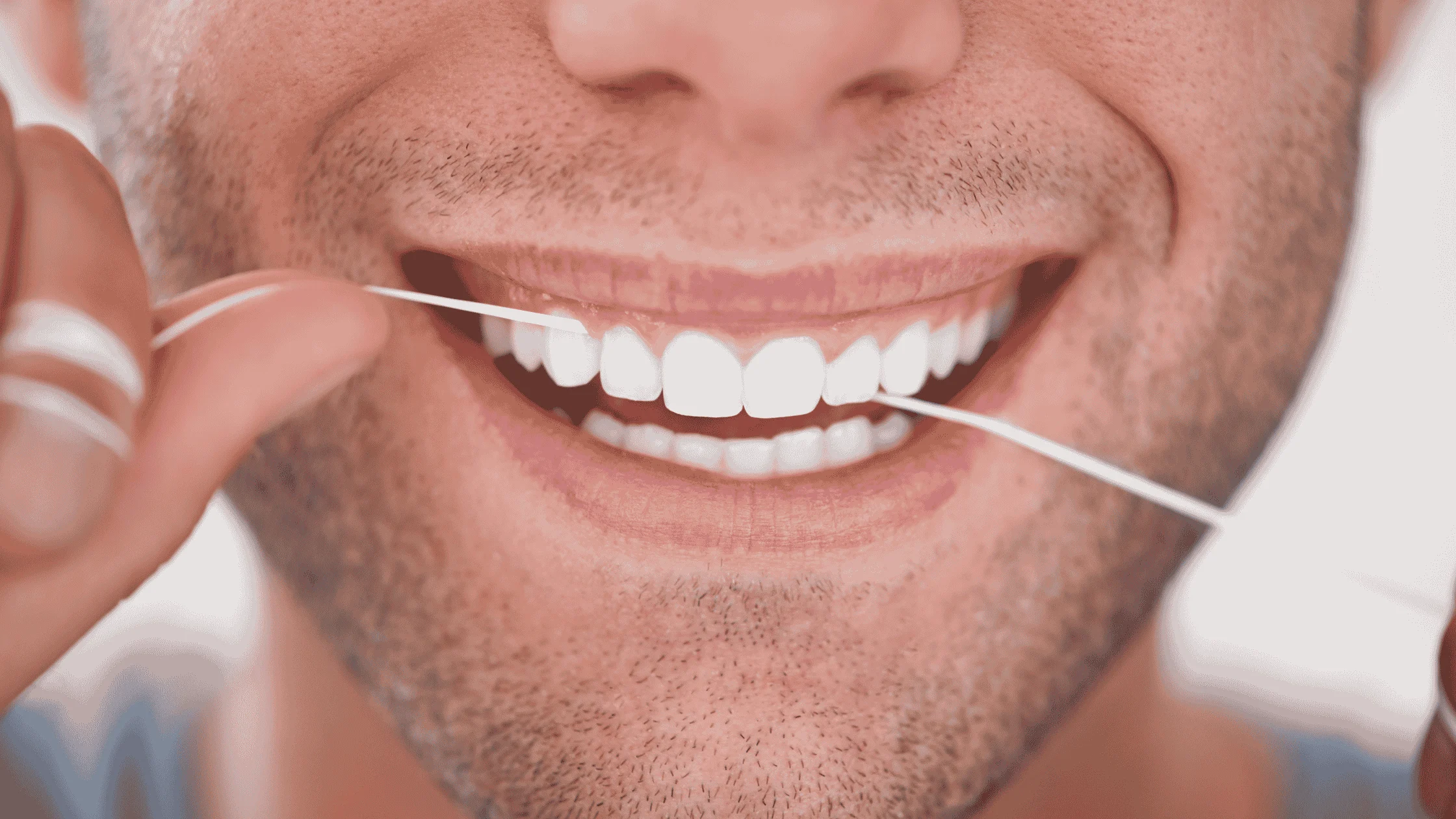
Brush your all-on-4 twice daily using a soft-bristled toothbrush to remove food particles and plaque. Pay special attention to the areas where your prosthetic meets your gums.
Use a water flosser to clean around and under your implant bridge. This tool reaches spots that regular floss might miss and helps maintain good oral health around your implants.
Visit your dentist regularly for professional cleanings and check-ups. These appointments catch small issues before they become big problems.
Rinse your mouth with water after meals to wash away food debris. This quick habit reduces bacteria buildup between brushings.
Avoid smoking, as it can interfere with healing and long-term implant success. Staying hydrated also supports healthy gum tissue around your all-on-4 dental implants.
Frequently Asked Questions
Most people have similar concerns about eating with All-on-4 implants, from what foods they can handle to how quickly they can return to their regular diet.
The recovery process follows a clear timeline, and the long-term eating experience differs from both dentures and natural teeth in important ways.
Can I bite into apples and other hard foods with my All-on-4 dental implants?
Once your implants have fully healed, you can bite into most hard foods like apples. Your All-on-4 implants provide strong bite force similar to natural teeth.
However, you should still be careful with extremely hard foods. Items like ice, hard candies, and unpopped popcorn kernels can damage your implants just like they can damage natural teeth.
It’s best to cut harder foods into smaller pieces rather than biting directly into them with your front teeth.
Some foods require permanent caution. Sticky items like caramel can pull on your implants, and very hard nuts might create too much pressure. You can enjoy these foods, but you need to eat them carefully and in moderation.
How soon after my All-on-4 procedure can I eat normally?
You’ll need to start with a liquid diet for 1 to 2 weeks immediately after surgery. During this time, your mouth will be sensitive and your gums might be swollen.
After the initial healing phase, you can move to soft foods. Mashed potatoes, scrambled eggs, yogurt, and well-cooked pasta are good options during this stage. You should chew carefully and avoid using your front teeth to bite into large pieces.
Most patients can return to normal eating a few months after surgery. This usually happens once your dentist replaces your temporary denture with a permanent one. The exact timeline depends on how quickly you heal and what your dental team recommends.
Are there any special cleaning practices I need to follow after meals with All-on-4 implants?
You need to clean your All-on-4 implants after eating to prevent plaque buildup. Rinsing your mouth with water after meals helps remove food particles.
Brush your implants at least twice daily using a soft-bristled toothbrush. You should also floss around the implants using special floss designed for implants or a water flosser. Regular cleaning prevents inflammation and keeps your implants healthy.
Your dental team may recommend specific cleaning tools. These might include interdental brushes or antimicrobial mouth rinses. Following their instructions helps protect your investment and prevents complications.
Will I experience any differences in taste or sensation while eating with All-on-4 implants?
Eating with All-on-4 implants feels more natural than eating with dentures. Your implants leave the roof of your mouth free, which improves your ability to taste food.
You’ll notice better sensation during meals. Your teeth stay stable, giving you more control over your bite. The implants act like natural roots, letting you feel the texture of different foods from crunchy lettuce to soft pasta.
Most people report that food tastes better with implants than with dentures. The improved sensation and stability make eating more enjoyable overall.
What dietary precautions should I take immediately after getting All-on-4 implants?
Stick to liquids for the first week or two. Broths, smoothies, protein drinks, and fruit juices provide nutrition without irritating your surgical sites. Avoid liquids that are too hot or too cold, as extreme temperatures cause discomfort.
Limit sugary drinks during recovery. Sugar contributes to plaque buildup around your new implants. Water and herbal teas are better choices for staying hydrated.
When you move to soft foods, cut everything into small pieces. Use the sides of your mouth to chew and minimize pressure on the implants. If any food causes pain, wait longer before trying it again.
How does the maintenance of All-on-4 implants compare to natural teeth after eating?
All-on-4 implants require similar maintenance to natural teeth. You need to brush and floss regularly to remove food particles and prevent plaque buildup.
However, you need to be more careful about certain foods. While natural teeth can sometimes handle abuse, implants require more consistent care. You should avoid using your teeth as tools to open packages or crack nuts.
Regular dental checkups are essential for both natural teeth and implants. Your dentist will check for any issues and clean areas you might miss. Following these guidelines helps ensure long-term success with your All-on-4 implants.