
Wisdom teeth usually come in between ages 17 and 25, but they don’t always grow in the right way.
When these third molars don’t have enough room or grow at odd angles, they can cause serious problems for your mouth and overall health.
If you notice signs you need wisdom teeth removal, such as pain near your back teeth, swollen gums, jaw stiffness, or trouble opening your mouth, you need to get your tooth extracted.
Many people think they should wait until the pain gets really bad, but delaying removal can lead to infections, damage to nearby teeth, and harder surgery later.
The good news is that knowing what to watch for can help you avoid bigger problems down the road.
Understanding when wisdom teeth removal is necessary and acting early makes the process easier and keeps your smile healthy.
Key Takeaways
- Pain, swelling, and jaw stiffness are common signs that your wisdom teeth need evaluation by a dentist
- Waiting too long to remove problem wisdom teeth can lead to infections, damage to other teeth, and more difficult surgery
- Getting wisdom teeth removed as a young adult is typically easier with faster recovery than waiting until later in life
Common Symptoms Indicating Removal May Be Needed
Your body sends clear signals when wisdom teeth become problematic.
Pain in your jaw, swollen gums around the back teeth, persistent bad breath, and trouble opening your mouth wide are all warning signs that shouldn’t be ignored and you need periodontal treatment.
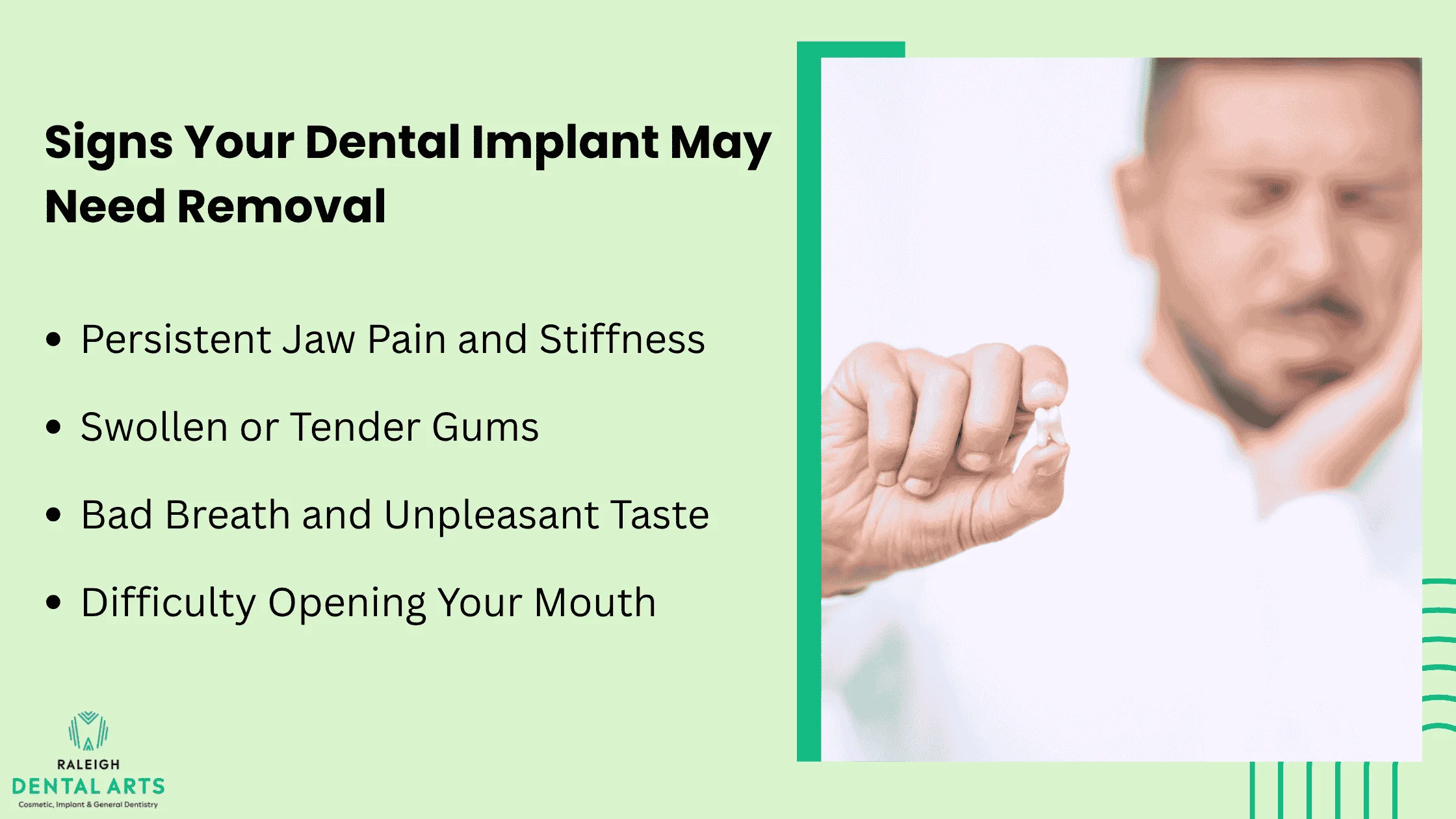
Persistent Jaw Pain and Stiffness
Wisdom tooth pain often starts as a dull ache in the back of your mouth that won’t go away. You might feel jaw pain that spreads to your ear or neck, making it hard to focus on daily tasks.
Impacted wisdom teeth can cause this discomfort because they don’t have enough room to grow properly. They may stay trapped under your gums or grow at odd angles that put pressure on nearby teeth.
Jaw stiffness is another common problem. You might notice it’s harder to chew your food or that your jaw feels tight when you wake up in the morning.
This stiffness happens because your jaw muscles work overtime trying to compensate for the pain and pressure from problem wisdom teeth.
The discomfort usually gets worse over time rather than better, which is why waiting to address it can lead to bigger issues.
Swollen or Tender Gums
Swollen gums around your back molars are a major red flag. The tissue may look puffy, feel sore to the touch, or appear redder than usual.
Partially erupted wisdom teeth create pockets where bacteria can get trapped. These pockets are hard to clean with regular brushing and flossing because they’re so far back in your mouth.
When bacteria build up in these areas, you can develop an infection called pericoronitis. This condition causes the gum flap over a partially erupted tooth to become inflamed and painful.
Your gums might bleed when you brush or eat, and the area may feel warm to the touch.
Tender gums that hurt when you press on them or eat certain foods need attention. The tenderness often comes and goes at first, but it typically becomes more frequent as the problem gets worse.
Bad Breath and Unpleasant Taste
Bad breath that doesn’t go away even after brushing can point to wisdom tooth problems. You might also notice a strange or unpleasant taste in your mouth that lingers throughout the day.
These symptoms happen when food particles and bacteria get stuck around impacted wisdom teeth. The back of your mouth is already difficult to clean properly, and problem wisdom teeth make it even harder.
Common signs include:
- Breath that smells bad even right after brushing
- A bitter or metallic taste in your mouth
- A foul taste when you press on the gums near your wisdom teeth
- Bad breath that other people notice
The trapped bacteria create an infection that produces these unpleasant smells and tastes. Regular mouthwash might mask the problem temporarily, but it won’t fix the underlying issue with your wisdom teeth.
Difficulty Opening Your Mouth
When you can’t open your mouth as wide as you normally do, it’s called trismus. This symptom often means your wisdom teeth need to be extracted.
You might notice this problem when trying to eat larger bites of food or during dental appointments.
The restricted movement happens because swelling and inflammation from problem wisdom teeth affect the muscles around your jaw.
Your jaw might feel locked or stuck in one position. Simple activities like yawning, eating a sandwich, or even talking can become uncomfortable or painful.
This difficulty opening your mouth usually gets worse if the wisdom teeth problem isn’t addressed. The swelling and muscle tension increase over time, making the restriction more severe.
Dental Issues Linked to Wisdom Teeth Problems
Wisdom teeth can trigger a chain reaction of problems in your mouth, from shifting your other teeth out of place to creating pockets where bacteria thrive.
These third molars often lack enough space to grow properly, which leads to decay, infections, and even fluid-filled sacs that damage your jaw.
Crowding and Shifting of Teeth
When your wisdom teeth don’t have enough room to emerge, they push against your other teeth as they try to break through. This pressure can cause your teeth to shift out of their proper alignment over time.
Impacted wisdom teeth that crowd nearby teeth may undo years of orthodontic work if you’ve had braces. The pushing force is strongest on your second molars, but it can affect your entire bite pattern.
You might notice your front teeth becoming crooked or overlapping even if they were straight before.
The crowding gets worse as your wisdom teeth continue to develop. Your jaw doesn’t expand to make more room, so something has to give.
This is why dentists often recommend removal before the roots fully form and cause more displacement.
Tooth Decay and Cavities
Your wisdom teeth sit far back in your mouth where your toothbrush and floss have trouble reaching. This makes them highly prone to tooth decay and cavities that spread to neighboring teeth.
Wisdom teeth that grow partway through the gums create especially difficult cleaning challenges. Food particles and bacteria get trapped in the tight spaces around these partially emerged teeth.
The result is rapid cavity formation that can’t be treated with regular fillings.
Even if your wisdom teeth come in fully, their location makes proper cleaning nearly impossible. The decay often goes unnoticed until you feel pain or sensitivity.
By that point, the damage may have already spread to your healthy second molars.
Gum Disease and Infections
The tissue around your wisdom teeth is vulnerable to a painful gum infection called pericoronitis. This happens when bacteria slip under the flap of gum tissue covering a partially emerged tooth.
Repeated infection of soft tissue behind your lower wisdom teeth is a clear sign you need removal. The symptoms include swelling, redness, bad taste in your mouth, and difficulty opening your jaw.
You might also notice pus or bleeding when you brush the area.
Pericoronitis can develop into a more serious gum disease that affects the bone supporting your teeth. The infection doesn’t stay localized. It can spread to your cheek, neck, or throat if left untreated.
Antibiotics provide temporary relief, but the infection typically returns until you remove the problem tooth.
Recurring Abscesses or Cysts
Fluid-filled sacs called cysts can form around impacted wisdom teeth that stay trapped in your jawbone. These growths damage the bone and roots of nearby teeth as they expand.
Cysts usually don’t cause pain in the early stages, which makes them particularly dangerous. They grow silently while destroying the tissue around them. In rare cases, tumors can develop in the same area.
An X-ray is often the only way to detect these problems before they become severe.
Abscesses are different from cysts because they contain pus and cause immediate pain. They form when bacteria from an infected wisdom tooth spread into the surrounding tissue.
You’ll notice swelling, fever, and a foul taste in your mouth. Both cysts and abscesses require prompt treatment to prevent permanent damage to your jaw.
When to Seek Evaluation and Diagnosis
Getting your wisdom teeth checked early can prevent bigger problems down the road.
X-rays help dentists see what’s happening beneath your gums, and a proper consultation gives you a clear picture of whether removal is necessary.

The Importance of Dental X-Rays
Your dentist can’t see everything just by looking in your mouth. Dental x-rays show the position of your wisdom teeth, even when they’re still hidden under your gums.
These images reveal if your wisdom teeth are growing sideways, angled, or stuck in your jaw. X-rays also show how close the roots are to nerves and other teeth.
This information helps your dentist decide if you need wisdom teeth removal now or later.
Panoramic x-rays give a full view of your upper and lower jaws. Your dentist might also take smaller x-rays to get detailed images of specific teeth.
Most dentists recommend getting x-rays of your wisdom teeth by age 16 or 17, even if you don’t have symptoms yet.
What to Expect During a Dental Consultation
Your dental consultation starts with questions about any pain, swelling, or bleeding you’ve noticed. The dentist will examine your mouth and look at your x-rays to check for impacted wisdom teeth.
If removal seems necessary, your dentist might refer you to an oral surgeon. The surgeon will explain the procedure, recovery time, and any risks based on your specific case.
Don’t hesitate to ask questions during your visit. Find out if all four wisdom teeth need to come out or just some of them. Ask about cost, insurance coverage, and the best time to schedule the procedure.
Young adults typically have easier recoveries than older patients because the roots aren’t fully formed yet.
Monitoring Symptom Progression
Pay attention to how your symptoms change over time. Mild discomfort that gets worse or comes back repeatedly means you shouldn’t wait to see a dentist.
Keep track of specific problems like swelling that lasts more than a few days, bleeding gums around your back teeth, or bad breath that won’t go away.
Pain that spreads to your jaw, ear, or head is another sign you need evaluation soon.
If you notice pain, infection, or cyst formation, schedule an appointment right away. These problems usually get worse without treatment, not better. Early intervention leads to safer extractions and smoother healing.
What to Know About the Wisdom Tooth Removal Process
The wisdom tooth removal process involves several important decisions, from selecting a qualified professional to understanding your anesthesia choices and timing the procedure correctly.
Knowing what to expect at each stage helps you feel prepared and confident.
Choosing the Right Specialist
Your regular dentist can often handle straightforward wisdom teeth removal cases. However, impacted wisdom teeth or complex extractions typically require an oral surgeon with specialized training.
An oral surgeon has completed additional years of training beyond dental school. They focus specifically on surgical procedures involving the mouth, jaw, and face.
Ask your dentist for a referral if your case involves teeth that haven’t broken through the gums or are growing at difficult angles.
You can also check the surgeon’s credentials and experience with wisdom tooth extraction procedures.
Most oral surgeons offer consultation appointments where you can ask questions and review X-rays together.
This meeting helps you understand your specific situation and feel comfortable with the professional who will perform your surgery.
Preparing for Wisdom Tooth Extraction
Wisdom teeth removal is typically done as an outpatient procedure, meaning you go home the same day. Your dental team will give you specific instructions before your appointment.
You’ll need to stop eating and drinking at a certain time before surgery. This is especially important if you’ll be receiving sedation or general anesthesia.
Tell your dental team about all medications you take, including over-the-counter drugs and supplements. Some medications may need to be stopped temporarily before the procedure.
Arrange for someone to drive you home after wisdom teeth extraction. You won’t be able to drive yourself if you receive any type of sedation. Plan to take the rest of the day off to rest and start your recovery.
Understanding Anesthesia Options
You have three main options for anesthesia during wisdom tooth removal. Local anesthesia numbs only the area around your wisdom teeth using injections. You stay awake and aware but won’t feel pain in the treatment area.
Sedation dentistry makes you feel drowsy and relaxed through medication given in an IV line. You’ll also receive local anesthesia to numb your gums.
Most people don’t remember much about the procedure afterward.
General anesthesia puts you completely to sleep. A breathing tube connected to a ventilator helps you breathe during the surgery. This option is typically used for complex cases.
The type of anesthesia you receive depends on how difficult your extraction is expected to be and your personal comfort level.
Your dentist or oral surgeon will recommend the best option for your specific situation.
Deciding on Timing for Surgery
Many dentists recommend removing wisdom teeth in your late teens or early twenties. At this age, the roots aren’t fully formed yet, which can make the extraction easier.
Younger patients typically experience fewer complications and recover faster. The bone is also less dense, which allows for smoother removal.
However, not everyone needs their wisdom teeth removed at the same age. If your wisdom teeth are causing pain, infection, or damage to nearby teeth, you should schedule the procedure as soon as possible.
Waiting too long when problems exist can lead to more serious complications. Older adults may face longer recovery times and higher risks during surgery.
Talk with your dentist about the right timing based on your specific dental health and the position of your wisdom teeth.
Potential Complications of Delaying Removal
Putting off wisdom teeth removal can lead to several health problems that get worse over time. Delaying extraction increases your risk of infection, nerve injury, and more difficult surgery with longer recovery periods.
Infection Spread and Pericoronitis
Pericoronitis happens when the gum tissue around a partially erupted wisdom tooth becomes infected. This condition causes swollen gums, pain, and difficulty opening your mouth.
The flap of gum tissue over the tooth traps food and bacteria, creating the perfect environment for infection.
If left untreated, the gum infection can spread to your jaw, neck, and other parts of your body. You might notice a bad taste in your mouth, swelling in your face, or fever. Jaw stiffness often develops as the infection worsens.
The longer you wait, the more likely the infection will return even after treatment with antibiotics. Each time pericoronitis comes back, it can cause more damage to the surrounding tissue and bone.
Dry Socket After Extraction
Dry socket occurs when the blood clot that forms after extraction comes loose or dissolves too early.
This exposes the bone and nerves in the socket, causing intense pain that usually starts two to three days after surgery.
Older patients who delay removal face higher dry socket risks. The condition makes recovery much more uncomfortable and extends your healing time by several days or even weeks.
You’ll recognize dry socket by sharp pain that radiates to your ear, bad breath, and an unpleasant taste. The empty socket may look dry or show visible bone instead of a healthy blood clot.
Nerve Damage Risks
The roots of wisdom teeth can grow close to nerves in your jaw as you get older. Waiting too long increases the chance of permanent nerve injury during extraction.
Nerve damage can cause numbness or tingling in your tongue, lips, chin, or gums. Most cases are temporary, but some people experience lasting changes in sensation.
You might have trouble tasting food or feel a constant pins-and-needles sensation.
The risk goes up significantly after age 25 when the roots are fully formed and deeply embedded in the jawbone.
Bleeding, Swelling, and Recovery Challenges
Delayed removal often means more complex surgery with increased bleeding and swelling afterward.
Older wisdom teeth have longer, curved roots that are harder to remove and require more extensive work on the surrounding bone.
Your recovery takes longer when extraction is more complicated. You’ll likely need more time off work or school and experience greater discomfort during healing.
The surgical site may bleed more during and after the procedure.
Common recovery challenges include:
- Extended jaw stiffness lasting several weeks
- Difficulty eating solid foods for longer periods
- Increased bruising on your face and neck
- Higher medication needs for pain management
Recovery and Aftercare Essentials
Proper care after wisdom teeth extraction helps control bleeding and swelling while reducing your risk of dry socket.
Following specific steps during the first few days makes the biggest difference in how quickly you heal.
Managing Pain and Swelling at Home

Your pain will likely peak within the first 24 to 48 hours after wisdom tooth removal. Take prescribed pain medication before the numbing wears off, and don’t wait until pain becomes severe.
Apply ice packs to your cheeks for 15 minutes on and 15 minutes off during the first two days. This reduces swelling and numbs the area. After 48 hours, switch to warm compresses to help with any remaining swelling.
Keep your head elevated when lying down by using two or three pillows. This position helps minimize swelling overnight. Bite down on gauze pads firmly for 30 to 45 minutes if you notice any bleeding.
Tips for Faster Healing
Stick to soft foods like yogurt, mashed potatoes, and smoothies for the first few days. Avoid using straws since the suction can dislodge blood clots from the extraction sites.
Start gentle saltwater rinses after 24 hours to keep the area clean. Mix half a teaspoon of salt in eight ounces of warm water and rinse four to six times daily, especially after meals.
Rest as much as possible during the first three days. Avoid exercise, heavy lifting, and bending over since these activities increase blood pressure and can restart bleeding.
Most people return to normal activities within seven to ten days.
Preventing Post-Extraction Complications
Dry socket happens when the blood clot at the extraction site becomes dislodged. This causes severe jaw pain that typically starts three to five days after surgery.
You’ll notice a bad taste or smell coming from the socket.
Never smoke or vape during recovery since tobacco dramatically increases your dry socket risk. Don’t spit forcefully or rinse your mouth vigorously in the first 24 hours.
Watch for signs of infection like fever over 101°F, pus discharge, or worsening swelling after day three.
Contact your oral surgeon right away if you experience severe pain that isn’t controlled by medication or if numbness lasts longer than 24 hours.1
Frequently Asked Questions
Many people wonder about the warning signs of emerging wisdom teeth and how to tell when removal becomes necessary.
Understanding what’s normal versus problematic can help you make better decisions about your dental health.
What are the first signs that my wisdom teeth are starting to come in?
You’ll likely notice jaw and facial pain or tenderness as your first clue that wisdom teeth are emerging. Common signs include gum redness or swelling at the back corners of your mouth.
White spots appearing behind your last molars are another telltale sign. These symptoms typically show up between ages 17 and 25 when wisdom teeth usually emerge.
How can I tell if a wisdom tooth is impacted?
An impacted wisdom tooth gets trapped in your jawbone or gums instead of breaking through normally. You might feel persistent pain in the back of your mouth that doesn’t go away.
The pain often feels worse than typical tooth discomfort. Your wisdom teeth may not be visible even though you feel pressure or swelling in that area.
Impacted teeth can cause damage to neighboring teeth because they’re stuck at the wrong angle. Your dentist can confirm impaction with an x-ray during your regular checkup.
What symptoms suggest an impacted wisdom tooth is getting worse and shouldn’t be ignored?
Increasing pain that spreads to your ear or jaw signals a worsening problem. Swelling that affects your cheek or makes it hard to open your mouth fully needs emergency dental care.
Bad breath or a bad taste in your mouth might mean an infection is developing. Fever combined with facial swelling indicates a serious mouth infection that requires prompt treatment.
Pus or white drainage near the wisdom tooth area should never be ignored. These symptoms mean the situation is getting worse and waiting will only lead to more complications.
How do I know if my wisdom teeth are coming in straight and correctly?
Wisdom teeth coming in correctly won’t cause significant pain or pressure on your other teeth. You should be able to see them emerging straight up from your gums without any unusual angles.
Your dentist can check the positioning during regular visits. If you can easily reach the wisdom teeth with your toothbrush and floss, they’re probably coming in right.
Teeth that grow in properly won’t create swelling or push your other teeth out of alignment. About half of all people have at least one wisdom tooth, but some don’t develop any at all.
What are the risks or disadvantages of waiting too long to remove wisdom teeth?
Delaying removal can lead to serious infections that spread beyond your mouth. Food and bacteria get trapped around wisdom teeth you can’t properly clean, creating a breeding ground for decay.
Impacted wisdom teeth can damage the roots of nearby teeth over time. Your other teeth might shift out of place if crowded wisdom teeth keep pushing against them.
Gum disease becomes more likely as plaque builds up in hard-to-reach areas. Even wisdom teeth without symptoms now can cause infections or decay later in life.
Cysts can form around impacted wisdom teeth and damage your jawbone. The surgery itself also becomes more complicated and recovery takes longer when you’re older.
How soon after wisdom teeth removal can I talk normally again?
You can talk right away after your wisdom teeth are removed. Your speech might sound muffled at first because of gauze in your mouth and numbness from anesthesia.
Most people sound more normal within a few hours once the numbness wears off. Swelling during the first few days might affect how clearly you speak, but this improves quickly as healing progresses.