
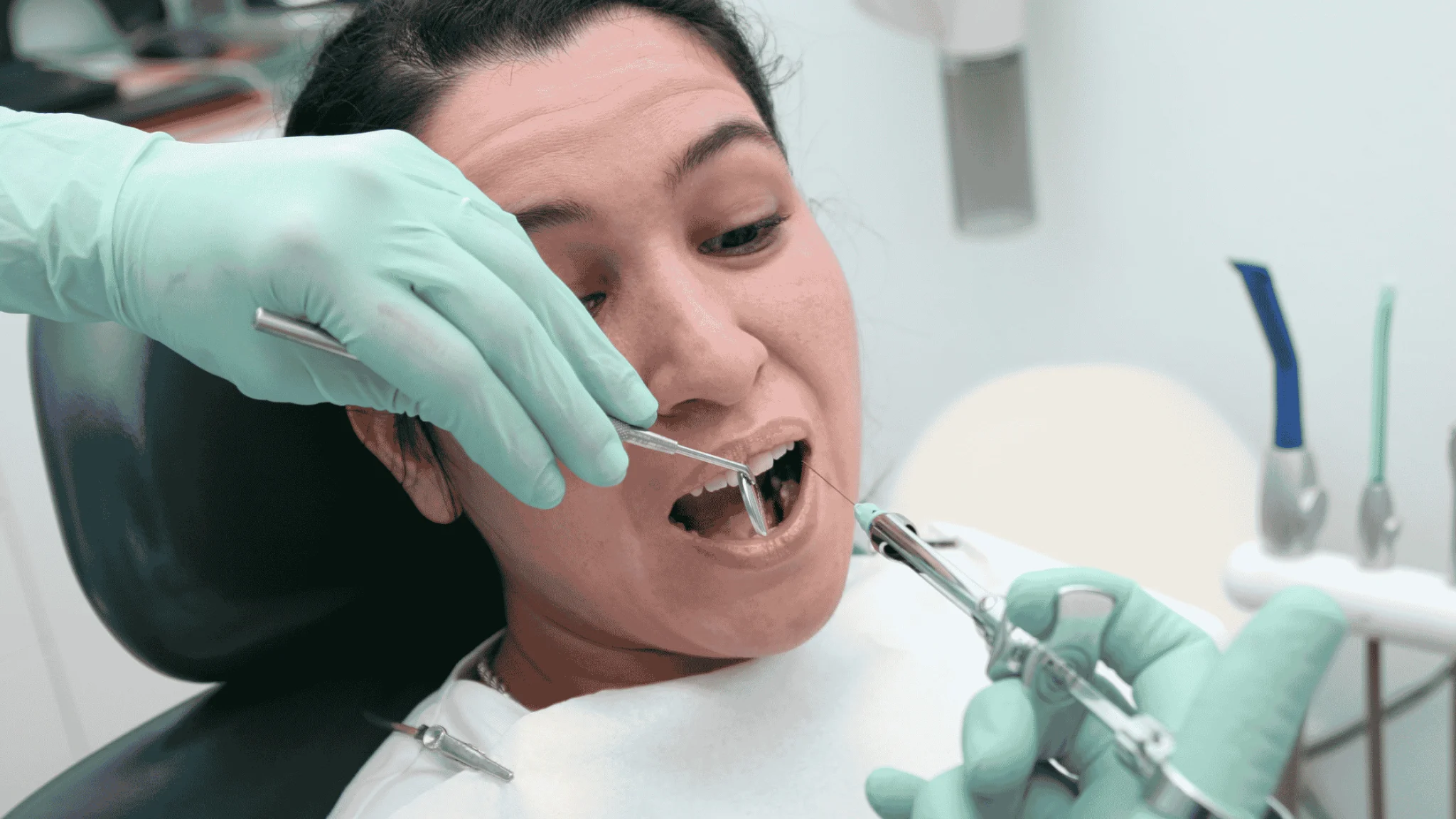
Putting off dental work because of fear isn’t something to feel embarrassed about. Dental phobia affects millions of people and can lead to serious oral health problems when treatment gets delayed year after year.
The good news is that modern sedation dentistry offers several options that can make even the most anxiety-inducing procedures feel manageable.
Choosing sedation dentistry for dental phobia depends on your anxiety severity, the type of procedure you need, and your personal comfort goals.
From mild nitrous oxide that lets you drive yourself home to IV sedation for severe anxiety, there’s an approach designed to match your specific needs.
Understanding what each level offers can help you finally schedule that appointment you’ve been avoiding.
Whether you’re dealing with mild nervousness about a routine cleaning or intense fear that’s kept you away from the dentist for years, sedation dentistry can help you get the care you need.
Let’s look at how different sedation options work and which one might be the best fit for your situation.
Key Takeaways
- Dental sedation ranges from mild nitrous oxide to deep IV sedation, each designed for different anxiety levels and procedures
- Your dentist will help match the sedation type to your specific fears, medical history, and the complexity of your dental work
- All sedation options require professional oversight to ensure safety throughout your treatment
Understanding Dental Phobia and Its Impact
Dental phobia goes beyond normal nervousness and can prevent you from getting the care you need. The fear becomes so strong that it affects both your oral health and your daily life in ways you might not expect.
Defining Dental Anxiety Versus Dental Phobia
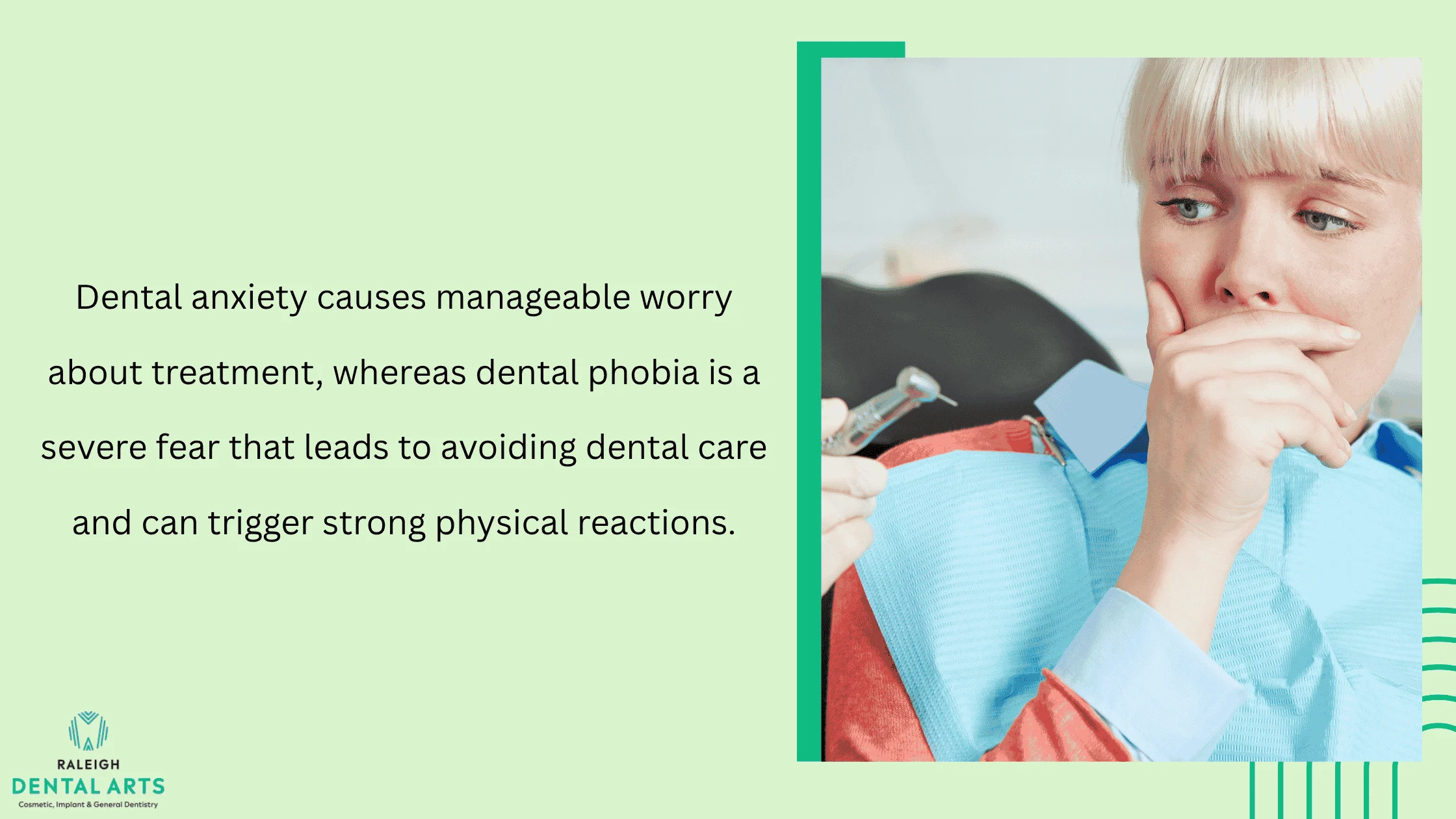
Dental anxiety is a feeling of unease or worry you experience before or during dental appointments. You might feel nervous about an upcoming cleaning or feel your heart race in the waiting room.
Most people with dental anxiety can still go through with their appointments, even if they feel uncomfortable.
Dental phobia is a clinical-level fear that leads you to avoid dental care completely. It’s more intense than anxiety and can cause panic attacks or physical symptoms.
Key differences include:
- Anxiety: Manageable discomfort that doesn’t stop you from getting care
- Phobia: Extreme fear that makes you cancel or skip appointments entirely
- Physical reactions: Phobia causes sweating, rapid heartbeat, or difficulty breathing
- Duration: Anxiety is temporary, while phobia is persistent and long-lasting
Your level of dread can vary from worry to complete avoidance, and understanding where you fall on this spectrum helps determine what treatment approach will work best for you.
How Dental Fear Can Affect Oral Health and Wellbeing
When you avoid the dentist because of fear, small problems turn into bigger ones. A cavity that could have been fixed with a simple filling might need a root canal later.
Skipped dental cleanings allow plaque and tartar to build up, leading to gum disease.
Your oral health connects directly to your overall health. Untreated dental issues can cause infections that spread to other parts of your body. They can also make it hard to eat nutritious foods or speak clearly.
The emotional impact matters too. You might feel embarrassed about the condition of your teeth, which affects your confidence in social situations.
Some people avoid smiling or talking closely with others because they worry about their teeth.
Dental phobia can lead to decades of avoidance, creating a cycle where fear grows stronger as dental problems worsen.
Common Triggers and Barriers to Treatment
Several specific experiences can trigger your dental fear. The sound of the dental drill often tops the list, along with the smell of dental offices and the sight of needles.
Common physical triggers include:
- Fear of needles used for numbing shots
- Sensitive gag reflex that makes you feel like you’re choking
- Very sensitive teeth that hurt easily
- Feeling trapped or closed in while sitting in the dental chair
- Loss of control when you can’t see what’s happening in your mouth
Past negative experiences create lasting barriers. If you had a painful procedure as a child or felt dismissed by a dentist, those memories stick with you.
Some people feel judged about the current state of their teeth, which makes them even more reluctant to seek help.
Difficulty controlling your movements or having special needs can also make traditional dental visits challenging. These barriers feel real and valid, but they don’t have to keep you from getting the care you deserve.
Levels of Sedation: From Mild to Deep
Dentists use different sedation levels to help you feel comfortable during procedures based on your anxiety and the type of treatment you need.
These levels range from staying awake but relaxed to being completely asleep with no memory of the procedure.
Minimal and Light Sedation Explained
Minimal sedation keeps you awake and aware during your dental work. You’ll feel calm and relaxed, but you can still talk to your dentist and respond to instructions.
This light sedation typically uses nitrous oxide, also called laughing gas. You breathe it through a small mask that fits over your nose. The effects start within minutes and wear off quickly once the mask is removed.
Key features of minimal sedation:
- You remain fully conscious
- You can answer questions
- You breathe on your own
- Most people can drive home after treatment
Oral sedatives like Valium or Ativan can also create minimal sedation. You take a pill before your appointment and feel drowsy but awake. This option works well for routine cleanings or fillings when you have mild anxiety.
Moderate Sedation and Conscious Sedation
Moderate sedation makes you drowsier than minimal sedation. You might slur your words or feel sleepy, but you’ll still respond when your dentist speaks to you.
Many dentists call this conscious sedation because you stay conscious throughout the procedure. However, you likely won’t remember much about what happened. This level can be given through pills, IV, or higher doses of nitrous oxide.
IV sedation gives your dentist more control over your sedation levels. They can adjust how relaxed you feel during longer or more complex procedures.
You’ll need someone to drive you home after moderate sedation. The effects can last several hours, and you should plan to rest for the remainder of the day.
Deep Sedation and General Anesthesia
Deep sedation puts you on the edge of consciousness. You won’t be fully aware of what’s happening around you. You might not respond to questions, and you may need help breathing.
General anesthesia is the deepest level where you’re completely unconscious. You won’t feel pain, hear sounds, or have any memory of the procedure. Your breathing and vital signs need constant monitoring.
Both options require IV administration. A trained anesthesiologist manages your sedation and watches your health throughout the treatment.
Who needs deep sedation or general anesthesia:
- People having complex oral surgery
- Patients with severe dental phobia
- Those undergoing multiple procedures at once
- Children or adults who can’t sit still
You’ll wake up in a recovery area and need several hours before you feel normal again. Someone must take you home and stay with you.
Types of Sedation Dentistry and How They Work
Dental offices offer several medication options that range from mild relaxation to deep sleep, with each method working differently in your body and lasting for varying amounts of time.
Your dentist will select the appropriate sedation level based on your anxiety level, the procedure length, and your overall health.
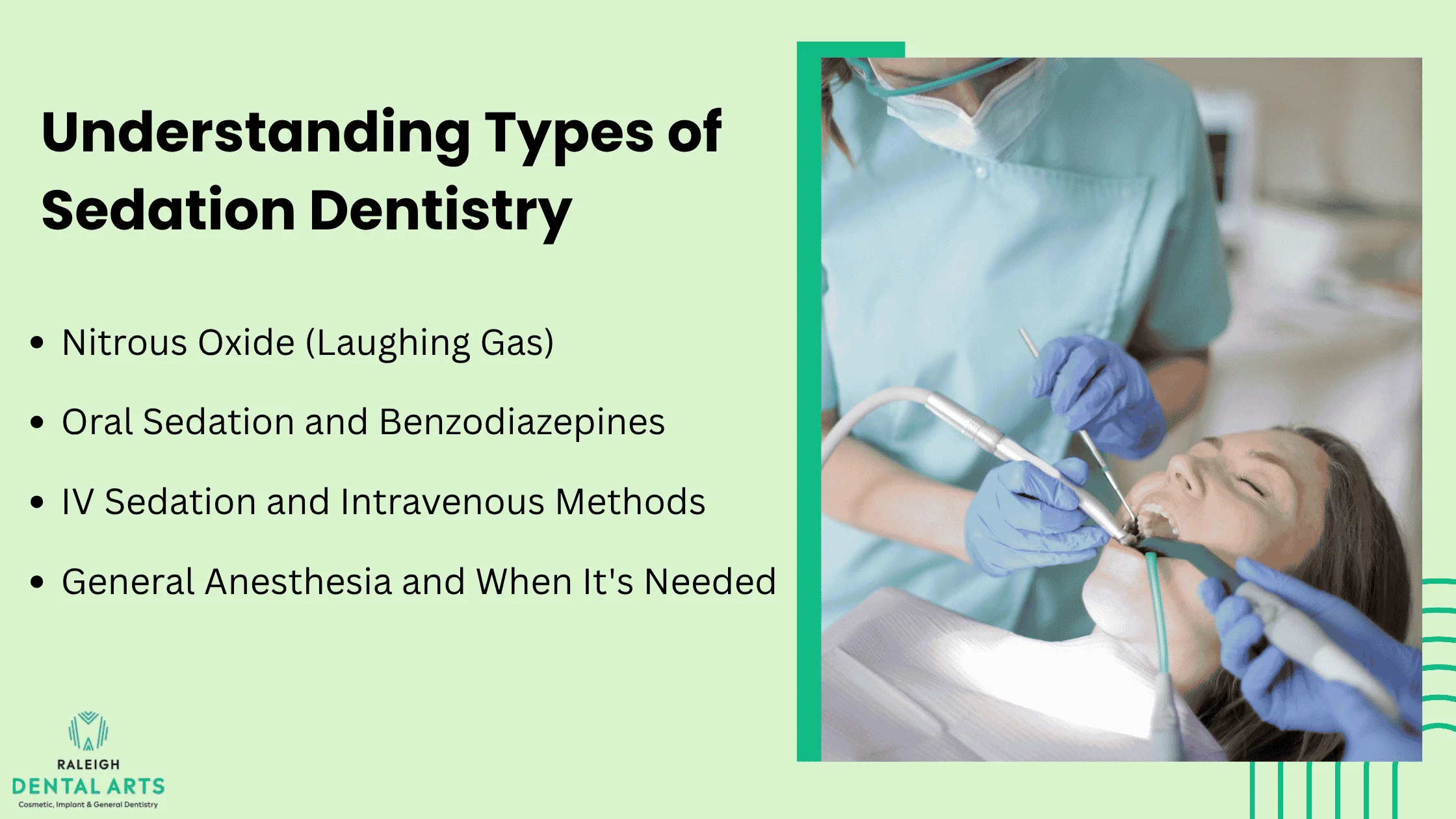
Nitrous Oxide (Laughing Gas)
Nitrous oxide is the mildest form of sedation dentistry available. You breathe it in through a small mask that fits over your nose during your appointment.
The gas starts working within three to five minutes of breathing it in. You’ll feel calm and relaxed, but you’ll stay completely awake and aware of what’s happening around you.
Your dentist controls the amount of nitrous oxide you receive throughout the procedure. They can adjust it higher or lower based on how you’re feeling.
When your treatment ends, your dentist will give you pure oxygen through the same mask. The oxygen quickly removes the laughing gas from your system.
You won’t feel drowsy or confused afterward, which means you can drive yourself home and return to your normal activities right away.
This sedation option works well for people with mild to moderate dental anxiety. It’s also a good choice for shorter procedures.
Oral Sedation and Benzodiazepines
Oral conscious sedation involves taking a prescription pill about one hour before your dental appointment. The medication comes from a drug class called benzodiazepines, which slow down your nervous system and help you feel deeply relaxed.
Common benzodiazepines used in dentistry include:
- Triazolam (Halcion) – the most frequently prescribed option
- Diazepam (Valium) – a longer-acting alternative
- Lorazepam (Ativan) – used for moderate sedation needs
- Midazolam – often given to children as a liquid
You’ll feel very drowsy and relaxed during your procedure. Many patients fall asleep in the dental chair, which is completely normal. Your dentist can still wake you up easily if they need you to open wider or move your head.
You won’t remember much or anything about the procedure afterward. You’ll need someone to drive you to and from your appointment since the medication affects your coordination and judgment for several hours.
IV Sedation and Intravenous Methods
Intravenous sedation delivers medication directly into your bloodstream through a small needle placed in your arm. This is the deepest level of conscious sedation you can receive in most dental offices.
An oral surgeon or dental anesthesiologist administers the IV sedation and monitors you throughout the procedure. They track your heart rate, blood pressure, and oxygen levels constantly.
The medication works immediately once it enters your bloodstream. Your provider can adjust the dosage throughout your appointment to keep you at the right sedation level.
Most patients fall asleep during IV sedation. You might respond to questions or commands, but you won’t feel pain or remember the procedure afterward. The effects wear off gradually over several hours.
This sedation method works best for people with severe dental phobia or those needing lengthy, complex procedures. You’ll need someone to drive you home and stay with you until the medication fully wears off.
General Anesthesia and When It’s Needed
General anesthesia puts you into a deep sleep where you’re completely unconscious and unable to respond. This differs from other types of dental sedation because you cannot be easily awakened during the procedure.
A specialized anesthesiologist administers and monitors general anesthesia in a hospital setting or surgical center. The team uses advanced equipment to breathe for you and monitor all your vital signs.
You won’t feel any pain, have any awareness, or form any memories of the procedure. Recovery takes longer than other sedation options, and you may feel groggy or nauseous for several hours.
Dentists rarely use general anesthesia except in specific situations. These include very young children who cannot stay still, patients with severe intellectual or physical disabilities, people undergoing extensive oral surgery, or those with extreme dental phobia that makes other sedation methods ineffective.
Choosing the Right Sedation for Your Procedure
The sedation level you need depends on how anxious you feel, what dental work you’re having done, and your overall health.
Your sedation dentist will consider all these factors to match you with the option that keeps you comfortable and safe.
Customizing Sedation for Dental Appointments
Your sedation appointment starts with a conversation about your specific needs. A simple cleaning might only need local anesthetic if you have low anxiety.
More involved procedures like root canals or deep cleanings often work well with nitrous oxide.
If you’re getting multiple fillings or crowns in one visit, oral conscious sedation can help you stay relaxed for the longer time in the chair. The pill makes you drowsy and most people remember very little afterward.
IV sedation is adjustable in real time. An anesthesiologist controls the medication flow based on how you’re responding. This works well when the procedure length is uncertain or when you need deeper relaxation than a pill can provide.
Factors Influencing Sedation Selection
Three main things determine which dental sedation options fit your situation. Your anxiety level is the first factor. Mild nervousness might only need nitrous oxide, while severe dental phobia often requires IV sedation or general anesthesia.
The complexity and length of your procedure matter too. Understanding how sedation dentistry works helps you see why a 30-minute filling needs different sedation than a two-hour extraction.
Your medical history is the third piece. Heart conditions, breathing problems, and medications you take all affect which sedation is safe for you.
An in-house anesthesiologist reviews your health background before recommending deeper sedation levels.
Sedation Dentistry for Oral Surgery and Full-Mouth Reconstruction
Oral surgery like multiple extractions or dental implants typically requires IV sedation or general anesthesia. These procedures involve more discomfort and take longer, so staying completely relaxed matters for both you and your dentist.
Full-mouth reconstruction often happens over multiple appointments. You might use different sedation levels depending on what’s being done that day.
Complex work like placing several implants usually calls for IV sedation with an anesthesiologist present.
General anesthesia becomes necessary when you have extreme dental trauma history or need extensive surgical work done at once. You’re fully unconscious and your airway is carefully monitored throughout the entire procedure.
Safety, Professional Oversight, and Special Considerations
Proper monitoring during sedation protects your health, while specialized training ensures dentists can handle emergencies.
Children and patients with special needs require modified approaches, and knowing what to expect during recovery helps you prepare for your appointment.
Role of Anesthesiologists and Monitoring
The American Dental Association released updated sedation and anesthesia guidelines in April 2026, establishing clear safety standards for dental offices.
These guidelines now require supplemental oxygen for moderate sedation through general anesthesia and specify acceptable delivery systems.
Your dentist must meet specific training requirements based on the sedation level they provide. For IV moderate sedation, dentists need 60 hours of classroom training, CPR certification, and supervised experience with at least 20 patients.
An anesthesiologist may be present for deeper sedation levels, especially in hospital settings or for complex cases. The updated guidelines emphasize emergency preparedness with documented protocols and regular training drills.
Your vital signs get monitored continuously during the procedure, including heart rate, blood pressure, and oxygen levels.
Key monitoring requirements now include:
- Body mass index as part of baseline vital signs
- Weight-based dosing with precise documentation
- American Society of Anesthesiologists physical status assessment
- Updated fasting recommendations before your appointment
Pediatric and Special Needs Sedation
Children require different sedation approaches than adults because their bodies process medications differently. Pediatric sedation guidelines are currently being developed by a committee that includes experts from ten dental and medical organizations.
Until new pediatric-specific guidelines are adopted, dentists follow the American Academy of Pediatrics and American Academy of Pediatric Dentistry’s monitoring guidelines for children.
These standards address patient selection, the clinical environment, and how your child gets monitored during and after the procedure.
Special needs patients often benefit from sedation because it helps them tolerate dental work they might otherwise find impossible
Your dentist considers your child’s age, weight, medical history, and ability to cooperate when recommending a sedation level.
Managing Side Effects and Recovery
Common side effects include drowsiness, nausea, and temporary memory gaps from your appointment. These effects typically fade within a few hours, though deeper sedation levels require longer recovery times.
You’ll need someone to drive you home after moderate or deep sedation. Plan to rest for the remainder of the day and avoid making important decisions until the medication fully wears off.
Post-sedation care includes:
- Drinking plenty of water once you’re alert
- Eating light foods if you feel nauseous
- Avoiding alcohol for 24 hours
- Following your dentist’s specific recovery instructions
Your dental team monitors you until you meet discharge criteria, which includes stable vital signs and the ability to walk with minimal assistance.
Call your dentist immediately if you experience severe nausea, difficulty breathing, or chest pain after leaving the office.
Frequently Asked Questions
Many people wonder about the specific differences between sedation types and how to match their anxiety level with the right option. Questions about medication safety, severe dental neglect, and alternatives to sedation also come up often.
What are the different levels of dental sedation, and how do they feel during treatment?
Dental sedation comes in four main levels that range from mild relaxation to complete unconsciousness. Each level affects your awareness and comfort differently during your appointment.
Minimal sedation keeps you awake but relaxed. You might receive nitrous oxide (laughing gas) or a low dose of an oral medication. You’ll feel calm and can respond normally to questions, but your anxiety will be reduced.
Moderate sedation makes you drowsy and less aware of what’s happening. You might slur your words or not remember much of the procedure. You can still respond to touch or verbal commands, though you may feel groggy.
Deep sedation or general anesthesia puts you on the edge of consciousness or completely asleep. You won’t respond easily to commands and likely won’t remember anything from the appointment. This level requires the most training and monitoring.
How do I know whether nitrous oxide, oral sedation, or IV sedation is the best choice for my anxiety level?
The right sedation depends on your level of anxiety, the complexity of your procedure, and your medical history. Mild nervousness usually responds well to nitrous oxide, while moderate to severe fear often requires stronger options.
Nitrous oxide works best if you feel slightly anxious but can sit through the appointment. It wears off quickly, and you can drive yourself home afterward. The gas takes effect within minutes and helps you feel relaxed while staying fully aware.
Oral sedation fits people with moderate anxiety who need more help than laughing gas provides. You’ll take a pill about an hour before your appointment. You’ll need someone to drive you home since the effects last several hours.
IV sedation suits those with severe dental phobia or who need extensive work done. The medication works immediately and can be adjusted during your procedure. You’ll need a driver and should plan to rest for the remainder of the day.
Can I take an anxiety medication like lorazepam before a dental appointment, and what should I ask my dentist about dosing and safety?
You should always talk to your dentist before taking any anxiety medication for a dental visit. Your dentist needs to know what you’re taking to avoid dangerous drug interactions and ensure proper monitoring.
Ask your dentist about the recommended dose for your weight and anxiety level. Some dentists prescribe a specific amount to take an hour before your appointment. Others might suggest a test dose at home first to see how you react.
Tell your dentist about all medications you currently take, including supplements. Lorazepam and similar drugs can interact with other sedatives, pain medications, and even some antibiotics.
Your dentist also needs to know if you have any breathing problems, liver issues, or a history of substance use.
Make sure you understand when to stop eating and drinking before your appointment. Ask whether you need someone to drive you home. Find out how long the medication will affect you and when you can return to normal activities.
Is “level 3 sedation” the same as deep sedation, and when is it typically used?
Level 3 sedation generally refers to deep sedation, though different sources may number the levels differently. This level puts you in a state where you’re barely conscious and won’t respond easily to commands.
Deep sedation gets used for patients with extreme anxiety or those who can’t cooperate during treatment. It’s also appropriate for very long or complex procedures like multiple extractions or extensive oral surgery.
Some people with special needs or severe gag reflexes also benefit from this level.
The goal in sedation dentistry is to use the minimal level needed to keep you comfortable and safe. Your dentist will only recommend deep sedation if lighter options won’t work for your situation.
Dentists who provide deep sedation must complete specialized training. They need advanced certifications and equipment to monitor your breathing, heart rate, and oxygen levels throughout the procedure.
If I have very bad teeth and I’m embarrassed or scared, what can I expect at my first visit and how can sedation help?
Your first visit typically involves an exam and discussion about your concerns. Dentists who work with anxious patients understand that shame and fear often prevent people from seeking care. They won’t judge you for the condition of your teeth.
The dentist will look at your teeth and gums to assess what needs to be done. You can discuss sedation options at this appointment to find what works for your anxiety level. Many offices offer sedation even for the initial exam if you’re too nervous to sit through it otherwise.
Sedation helps you get through the first appointment without panic. Once you experience a calm, comfortable visit, future appointments often feel less scary.
Breaking the cycle of avoidance becomes easier when you know you can be sedated.
You might need several appointments to fix neglected teeth. Your dentist can use sedation for each visit or help you gradually build confidence. Some patients start with sedation and eventually feel comfortable with just local anesthesia.
Why is fear of the dentist so common, and what are some simple ways to cope if I want to avoid being sedated?
Studies show that between 9-20% of Americans avoid the dentist due to anxiety or fear. Past bad experiences, fear of pain, and feeling out of control all contribute to dental phobia.
Some people develop fear from childhood experiences or stories they’ve heard. The sounds, smells, and vulnerability of lying back in a dental chair can trigger anxiety.
Others worry about gagging, needles, or judgment about their oral health.
You can try several coping strategies if you want to skip sedation. Schedule your appointment for a time when you feel most relaxed, like morning before stress builds up.
Bring headphones and listen to music or podcasts to block out dental sounds. Practice deep breathing exercises before and during your appointment.


